Founded in 2012 in the midst of the economic crisis, NEON is fulfilling its cultural and social mission, having supported artistic creation and fostered a new cultural ecosystem in Greece.
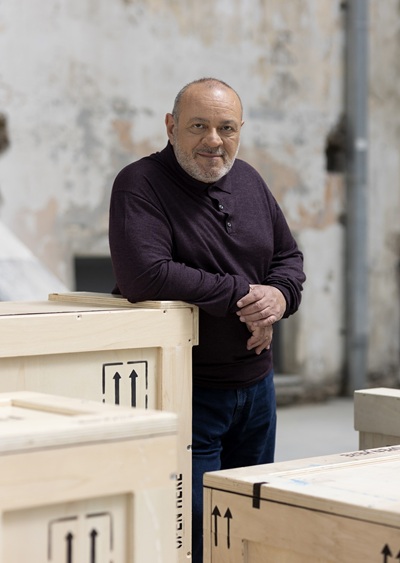
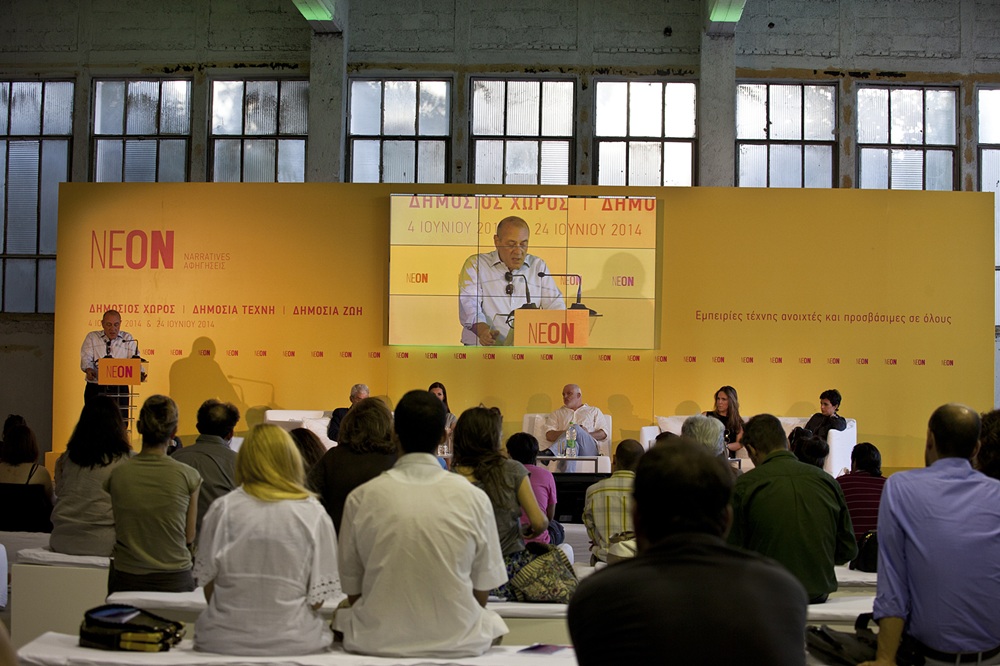
At a special farewell event held by NEON with partners and journalists to mark the completion of its work, the organization’s founder, Dimitris Daskalopoulos, expressed his belief and hope that art is a basic human need, is accessible to everyone, and can become accessible to even more people. For him, contemporary art is subversive and can educate new generations. Through NEON’s activities, he emphasized, a broad audience engaged with contemporary art and an ecosystem of dialogue have been created. Athens has become a global destination for contemporary art. “We saw NEON’s mark on people’s souls. After 14 years of fruitful work, it is wise to leave, to bring things to a close at their peak,” he stated.
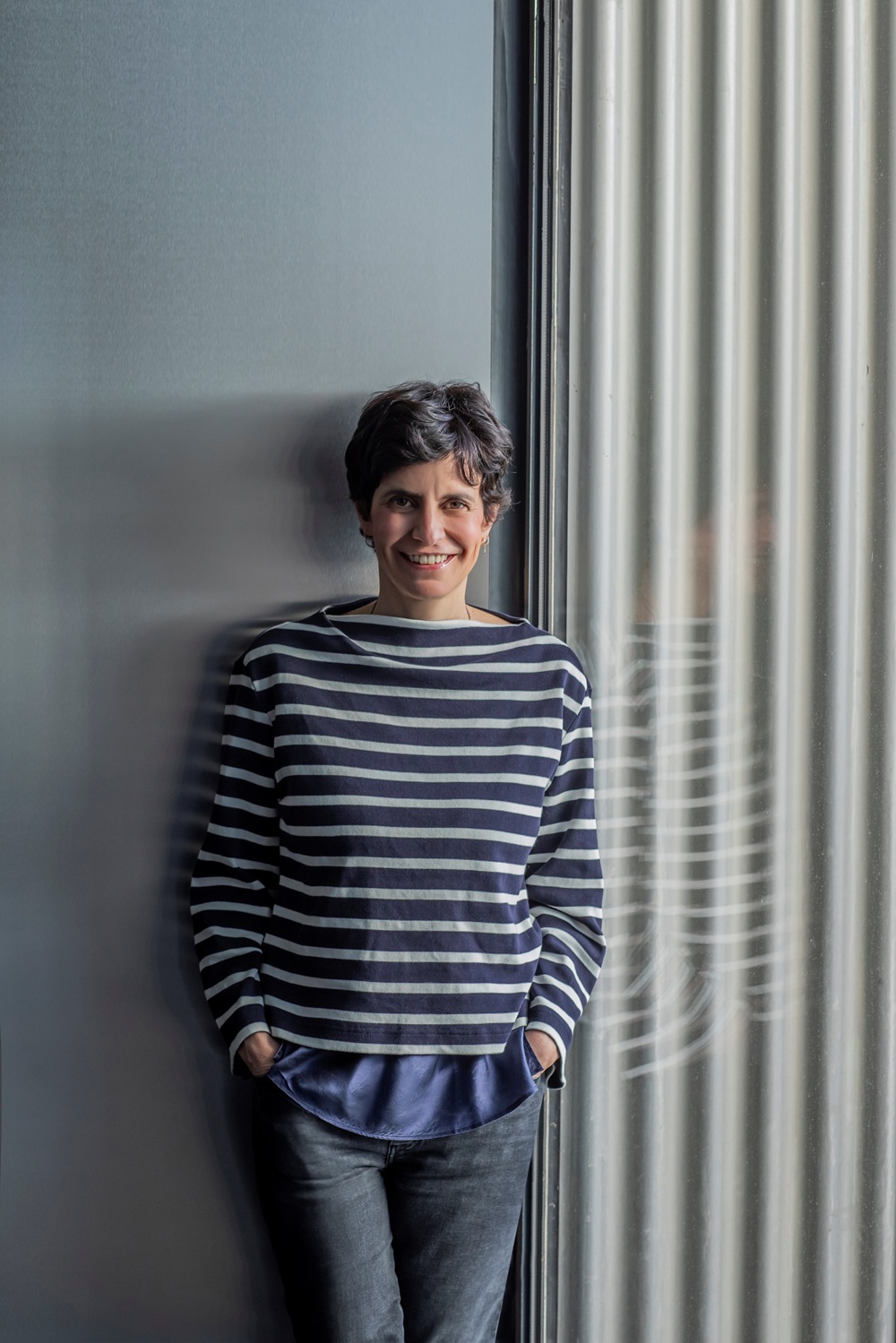
For the organization’s director, Elina Kountouri, bringing art from museums into the urban environment—and especially to historic sites—since 2012 has been a tremendous challenge and a learning opportunity through a difficult undertaking, spurred by new ideas and collaborations with various organizations. As she herself stated, “ through NEON’s artistic programming, I wanted to create a cultural movement and a compass of solidarity that would mobilize different sectors of society—artists, organizations that preserve cultural heritage, and the general public. Contemporary art has become a space for the coexistence of new ideas, mutual respect, and care. The public that embraced NEON’s new model exceeded all expectations in its response, thus demonstrating people’s need to experience contemporary art within their natural environment.”
NEON was founded in 2012 at the height of our country’s unprecedented economic crisis, when support for the arts and culture was an urgent necessity, reflecting the conviction of its founder, Dimitris Daskalopoulos, that contemporary art can awaken, inspire, and mobilize people on both an individual and collective level.
Its goal was to bring the general public into contact with the ideas and challenges of contemporary art, at a time when it was seeking new models of social participation and private initiatives.
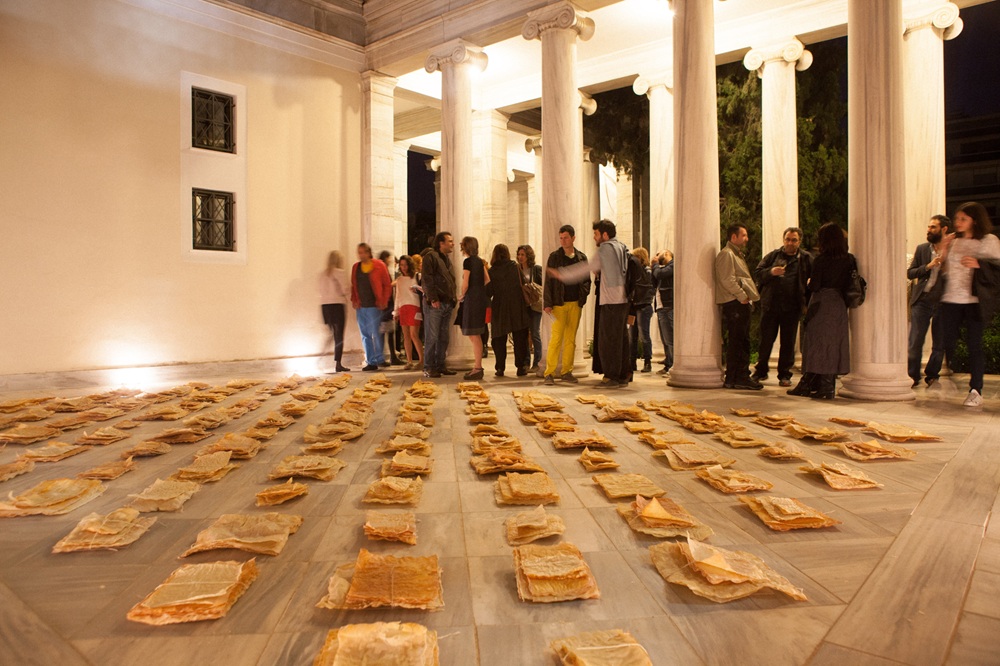
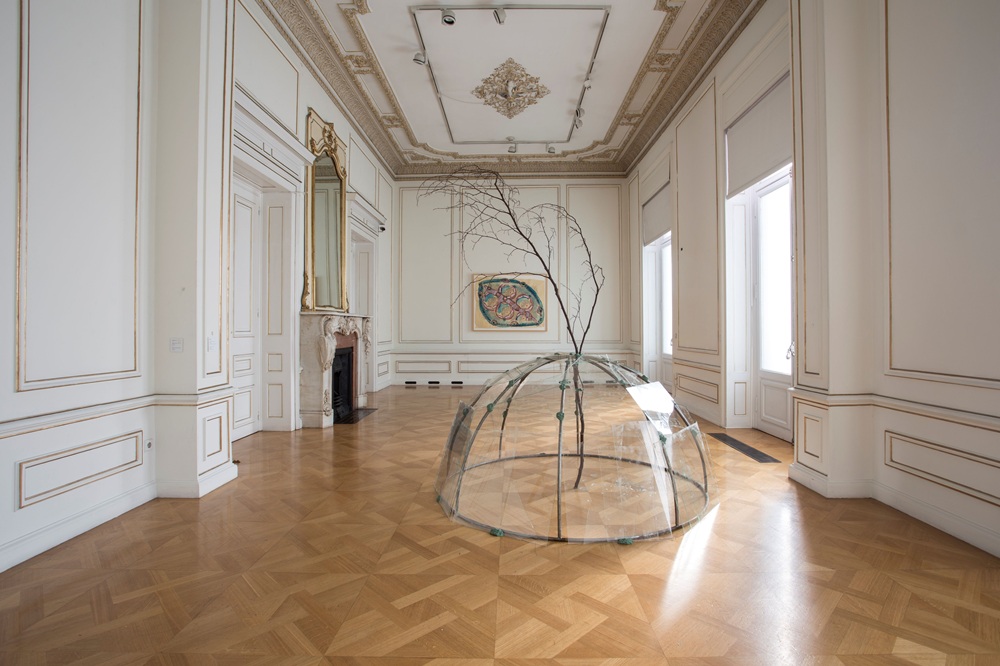
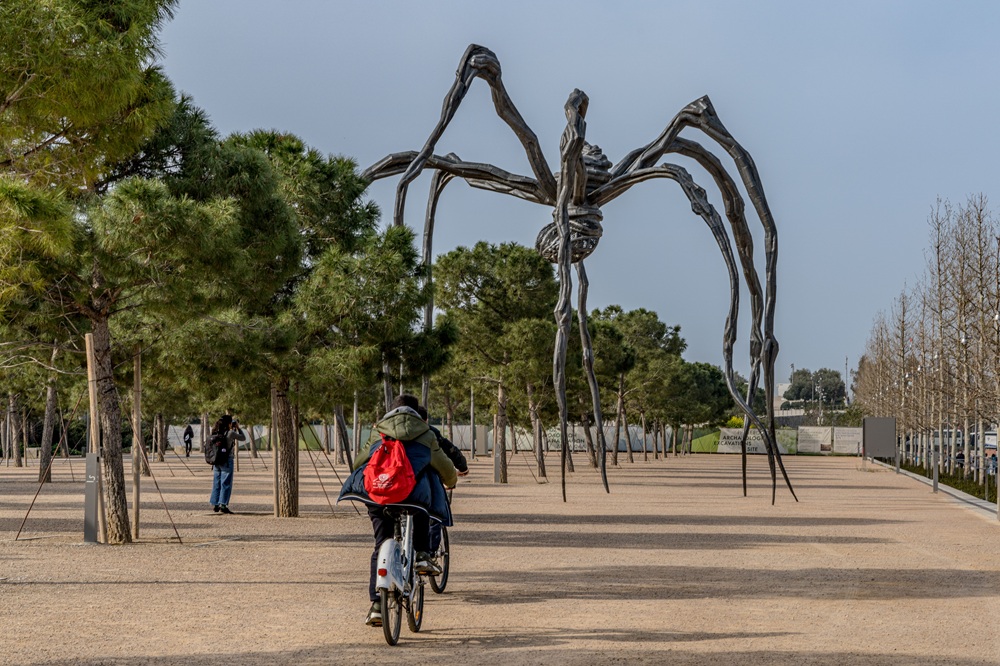
By choosing the entire city as its field of action, NEON introduced an innovative mode of operation, activating various exhibition spaces that were freely and openly accessible to all.
Under the direction of Elina Kountouri, NEON connected artistic creation with the city’s daily life, fostering coexistence, connection, and dialogue.
Through collaborations with public and cultural institutions, it highlighted contemporary art in public spaces as a means of enhancing the urban experience.
Particularly significant were the collaborations with the Ministry of Culture and archaeological institutions, which, through open dialogue, mutual trust, and professionalism, allowed historical and archaeological sites to open up to new experiences for the general public, created a fruitful environment of coexistence between cultural heritage and contemporary creation, and broadened the understanding of the timelessness of art.
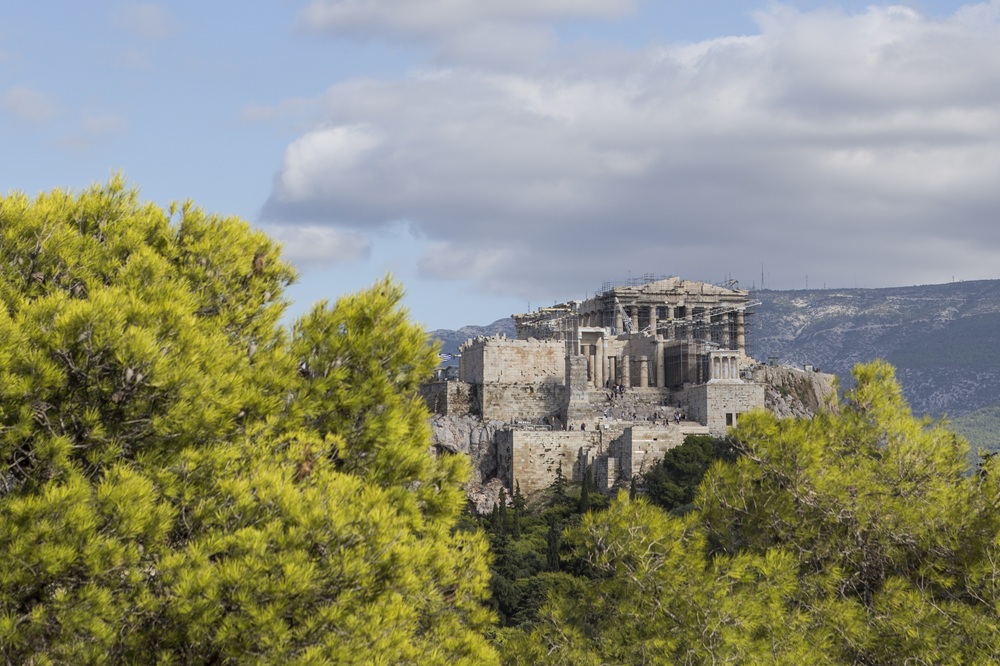
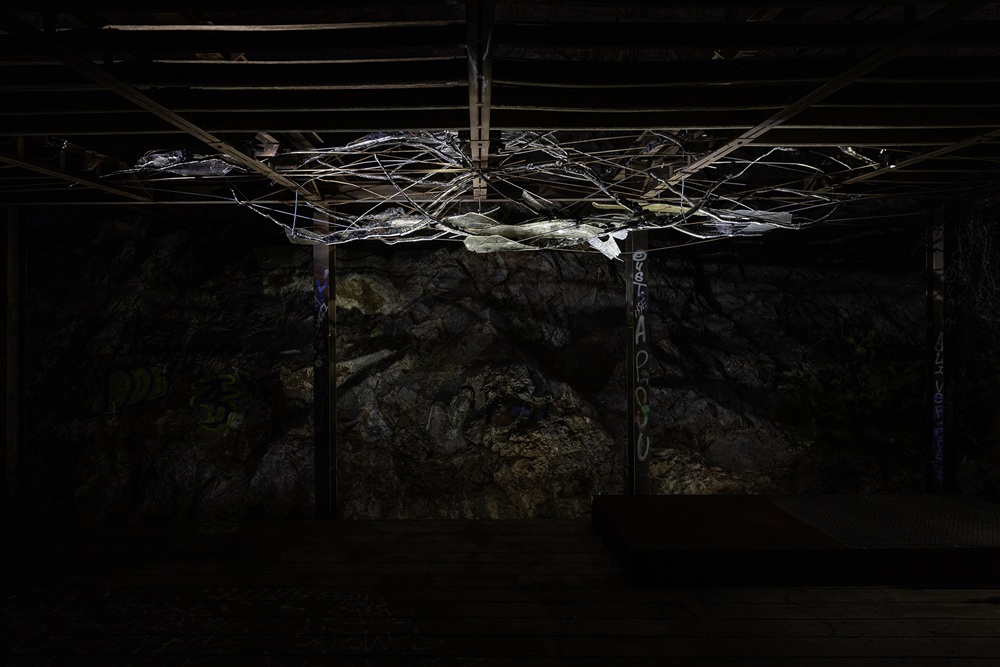
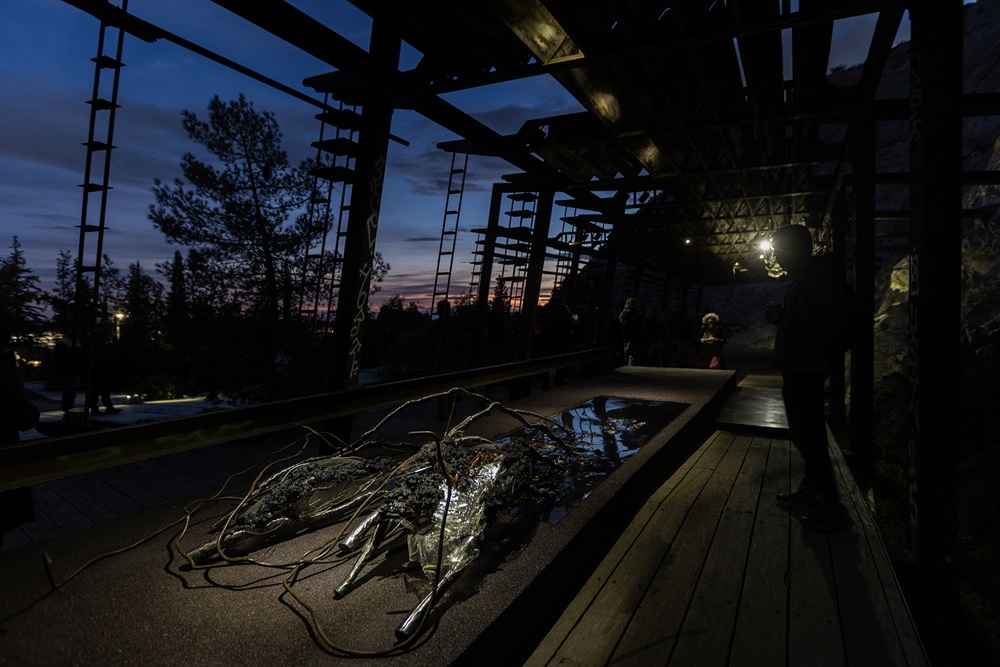
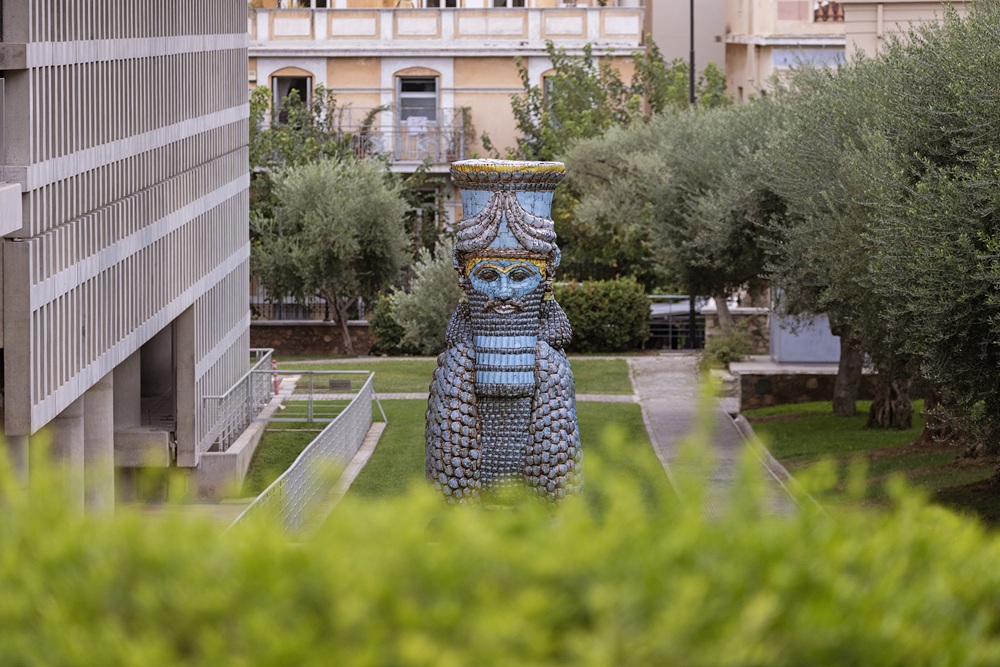
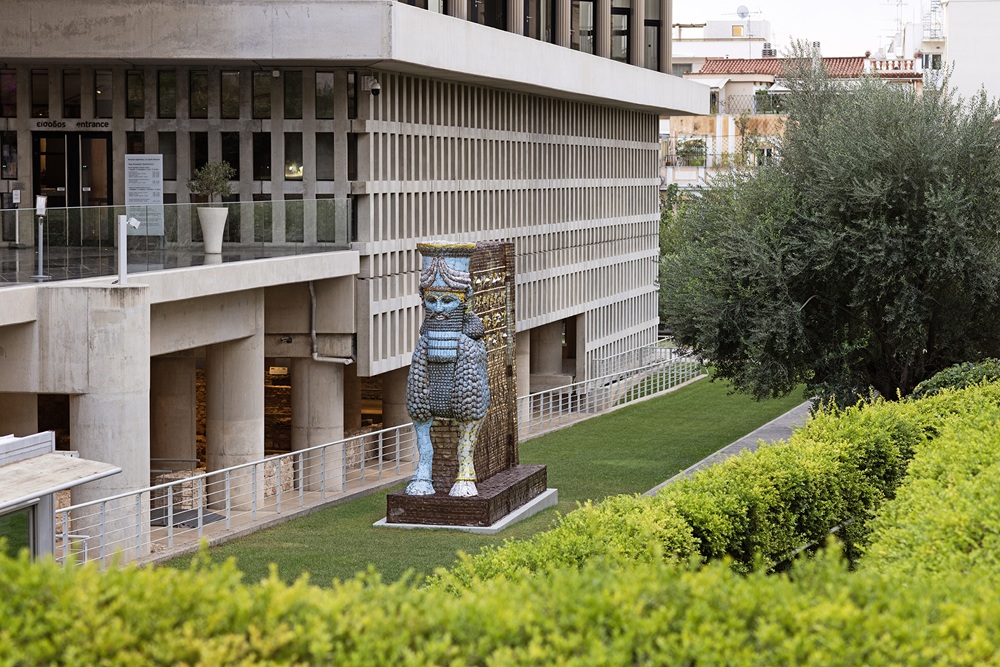
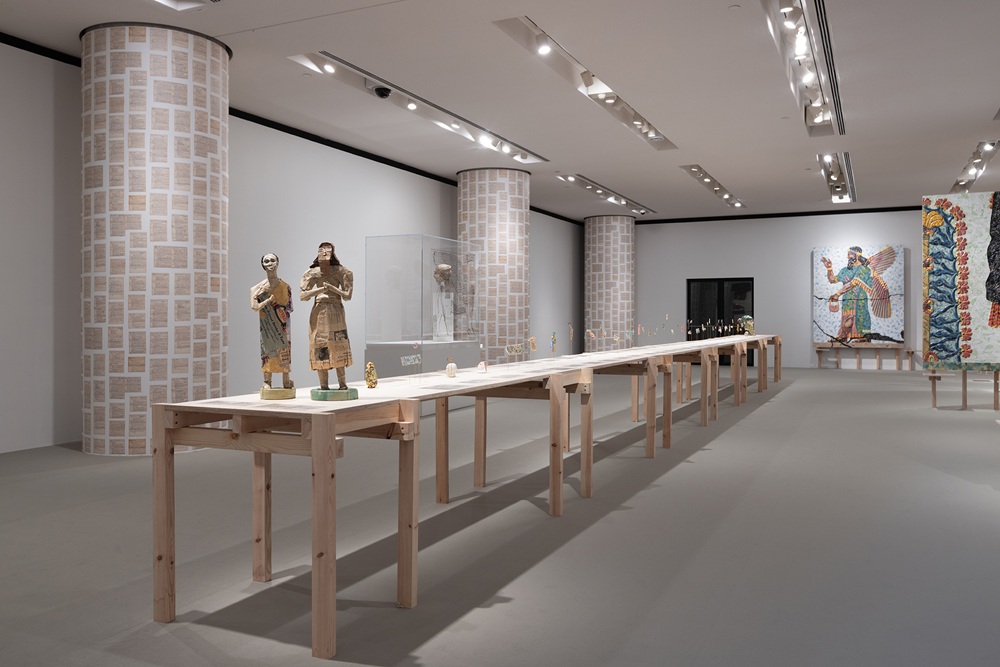
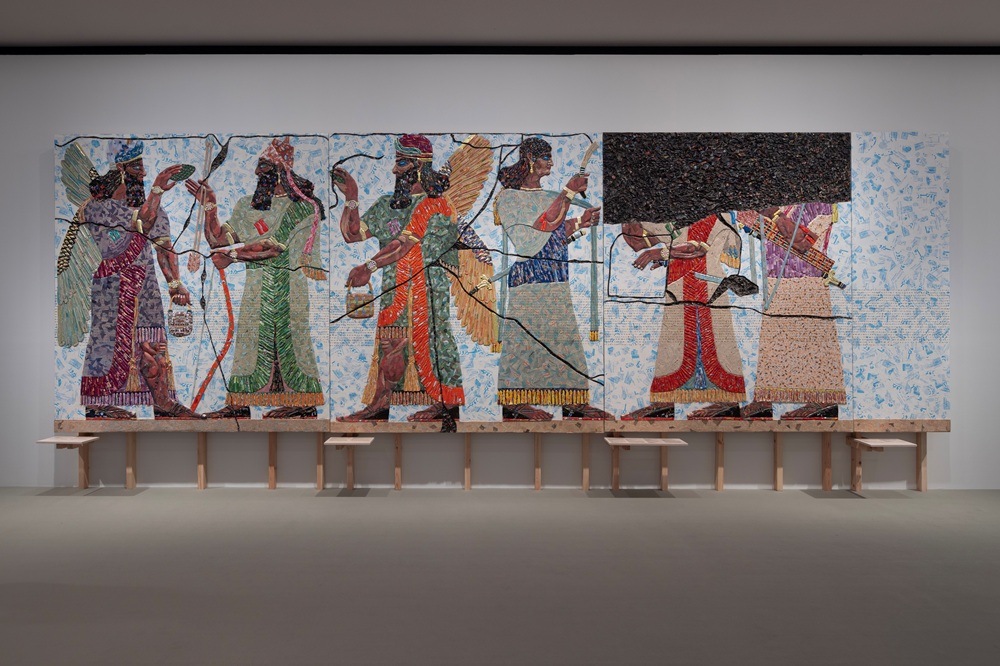
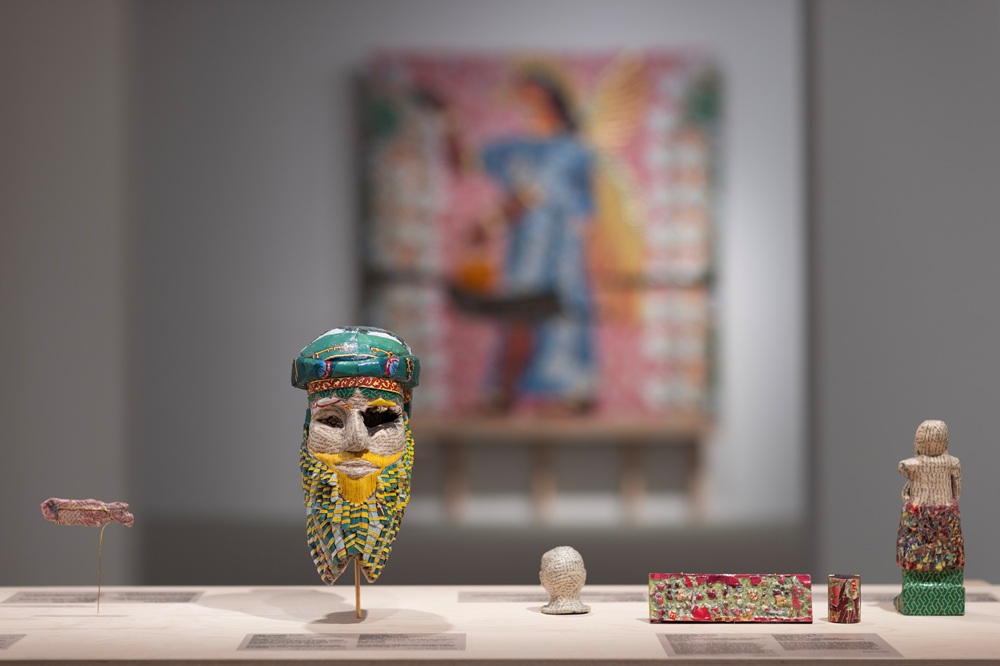
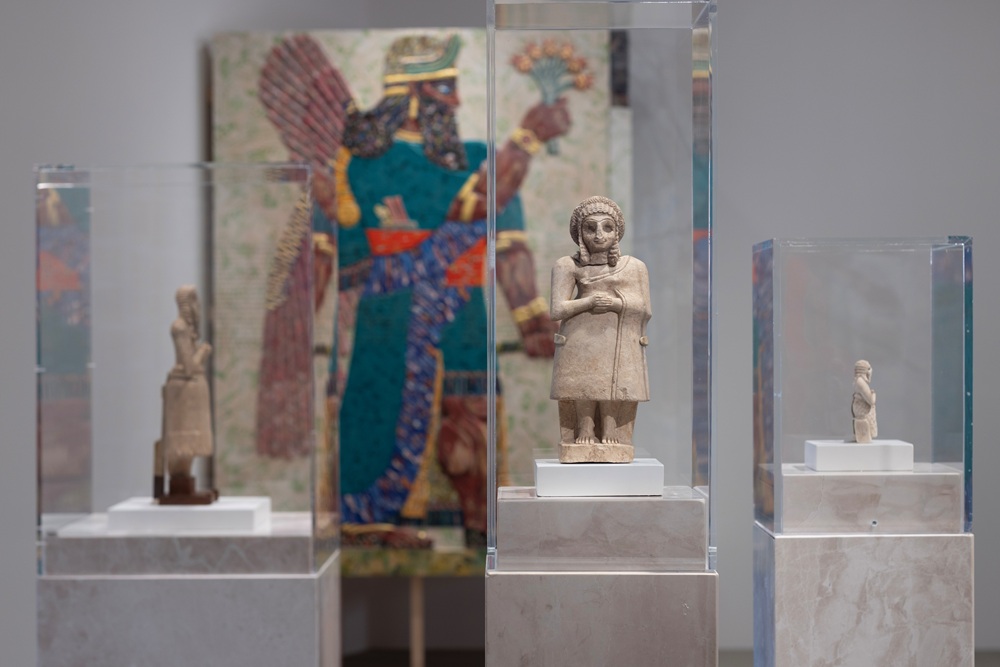
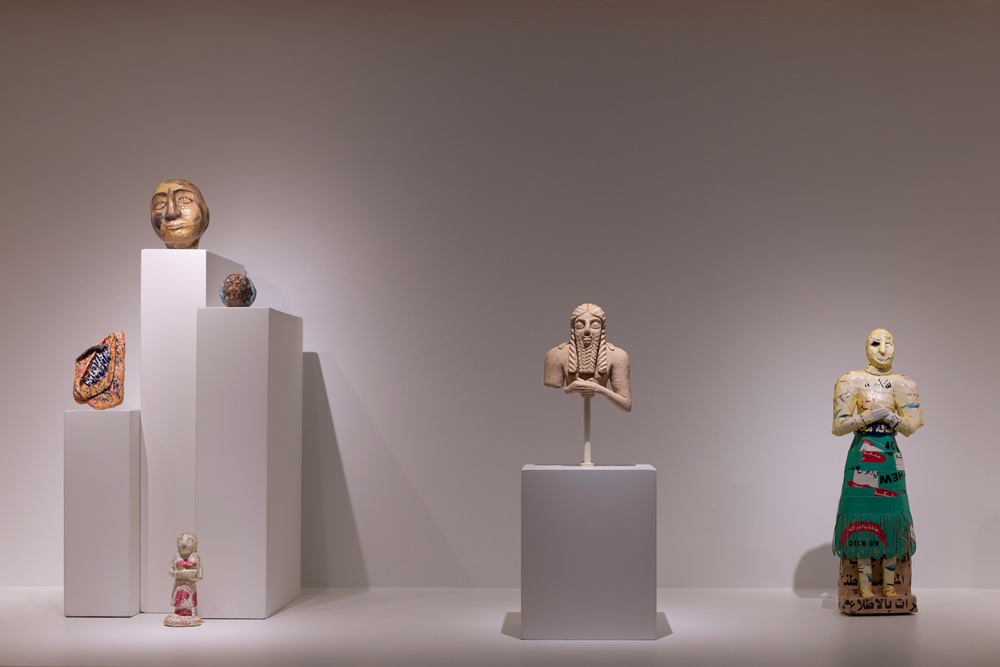
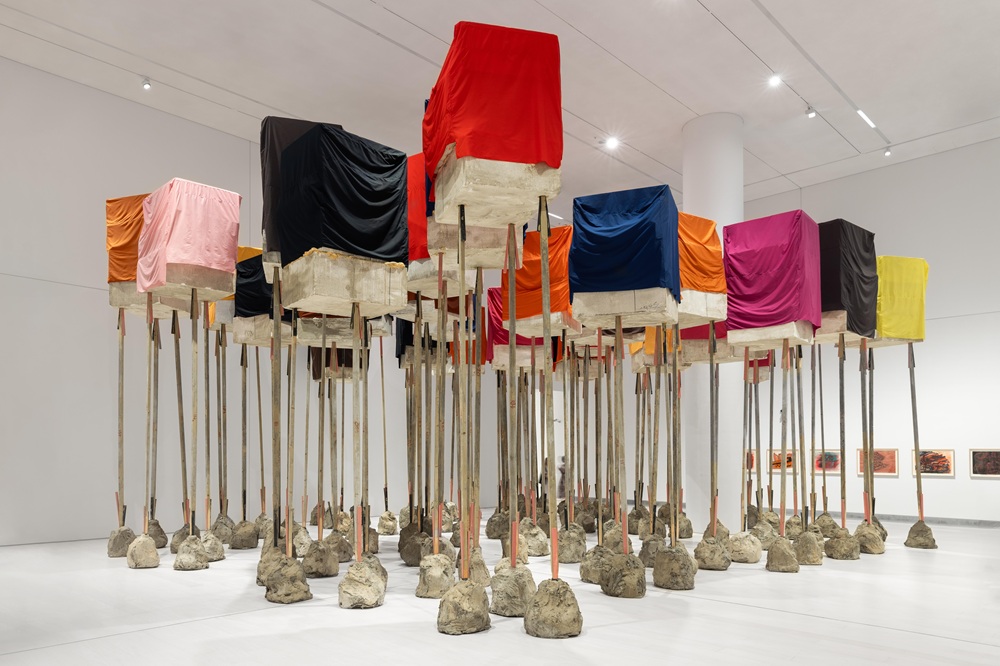
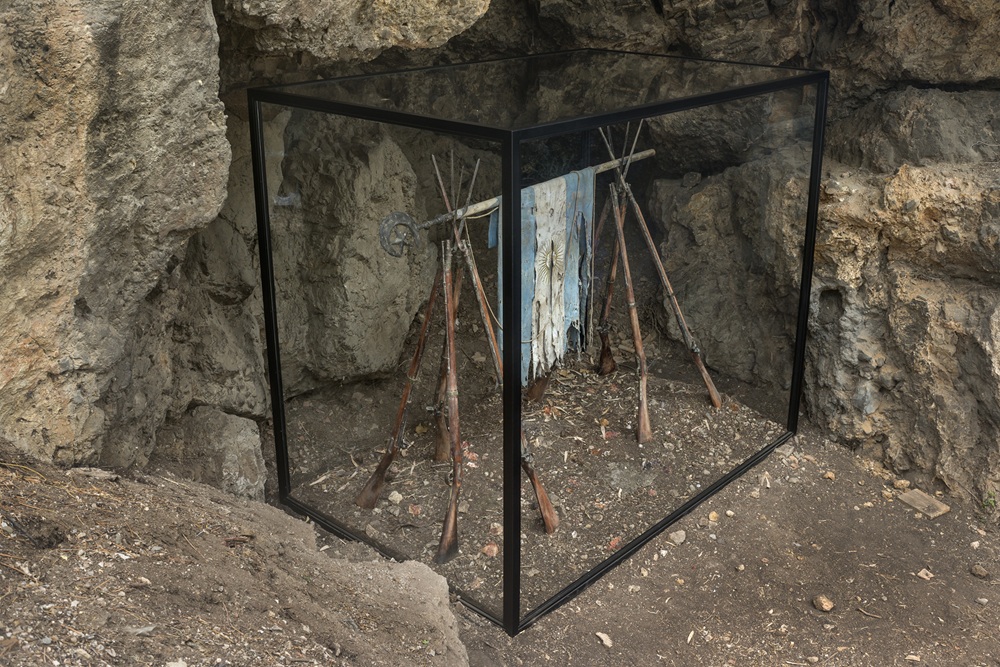
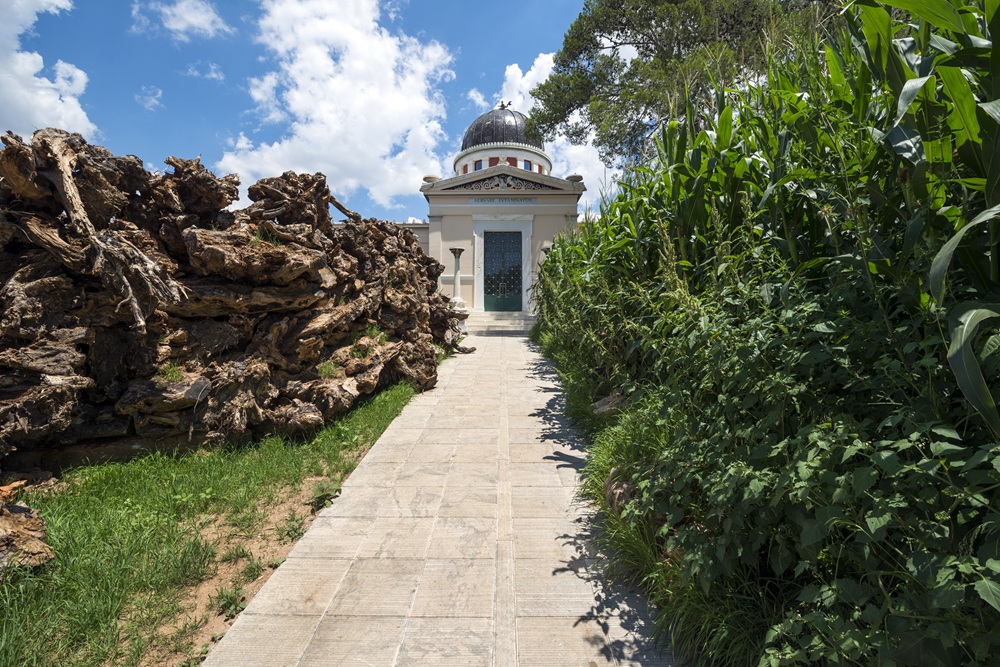
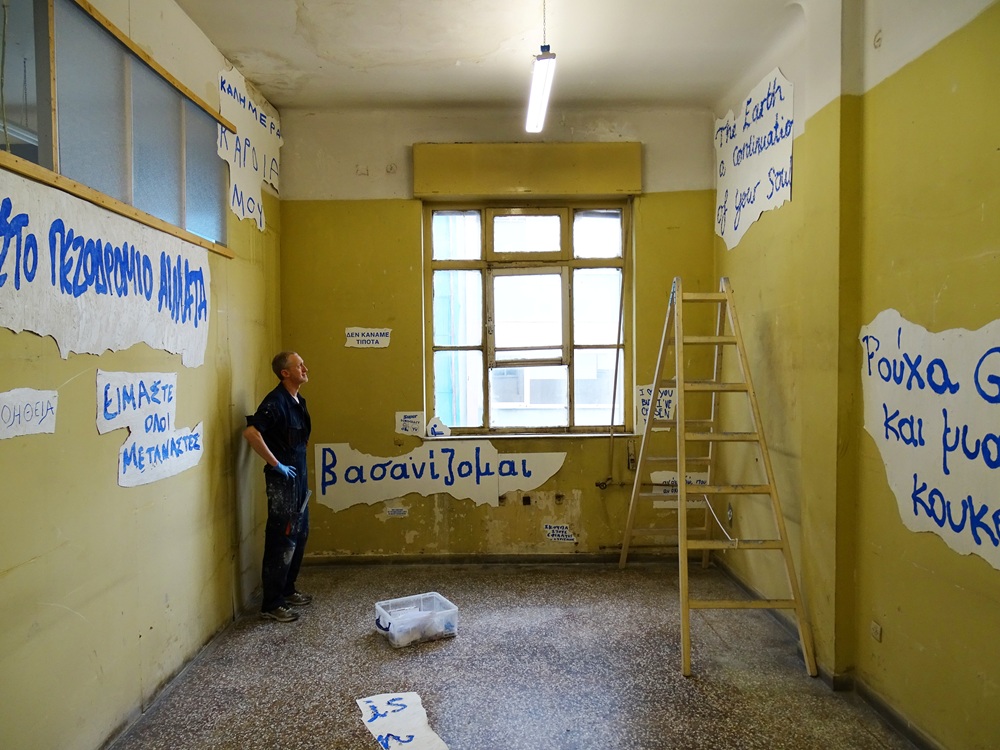
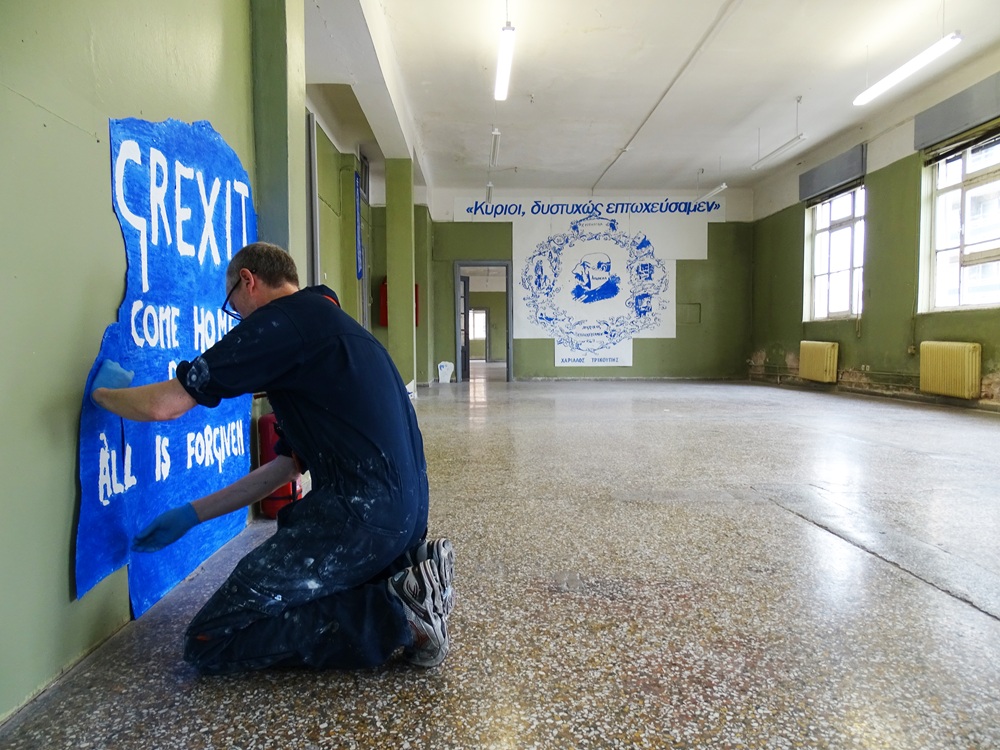
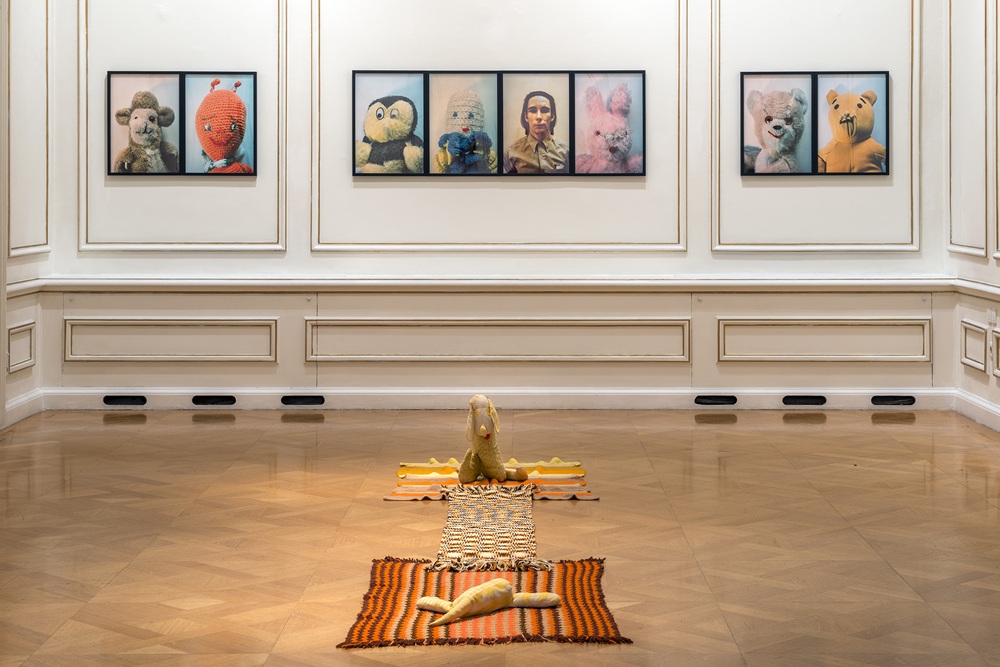
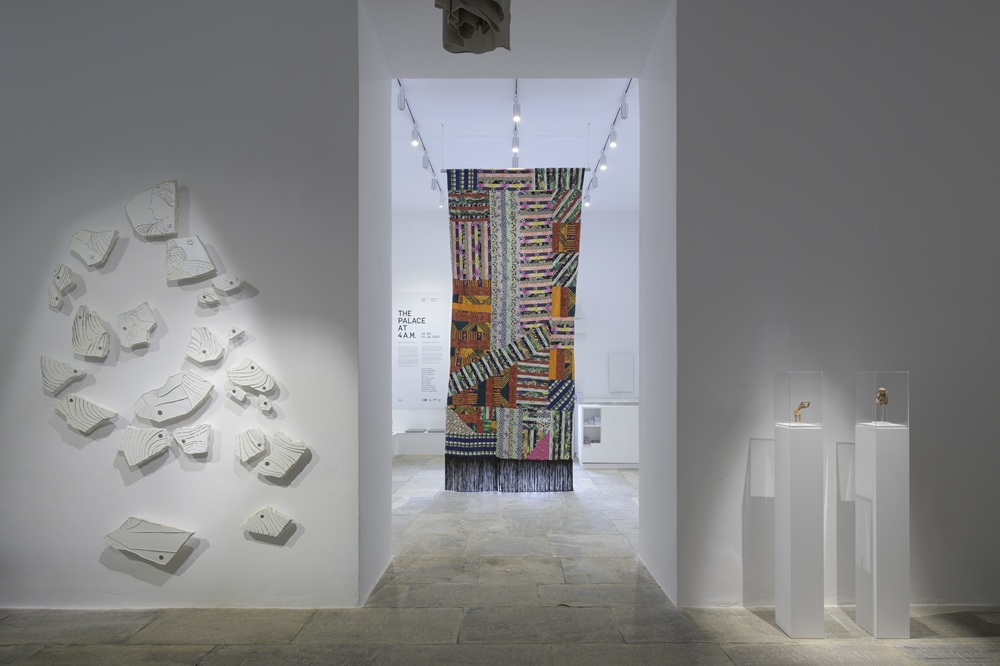
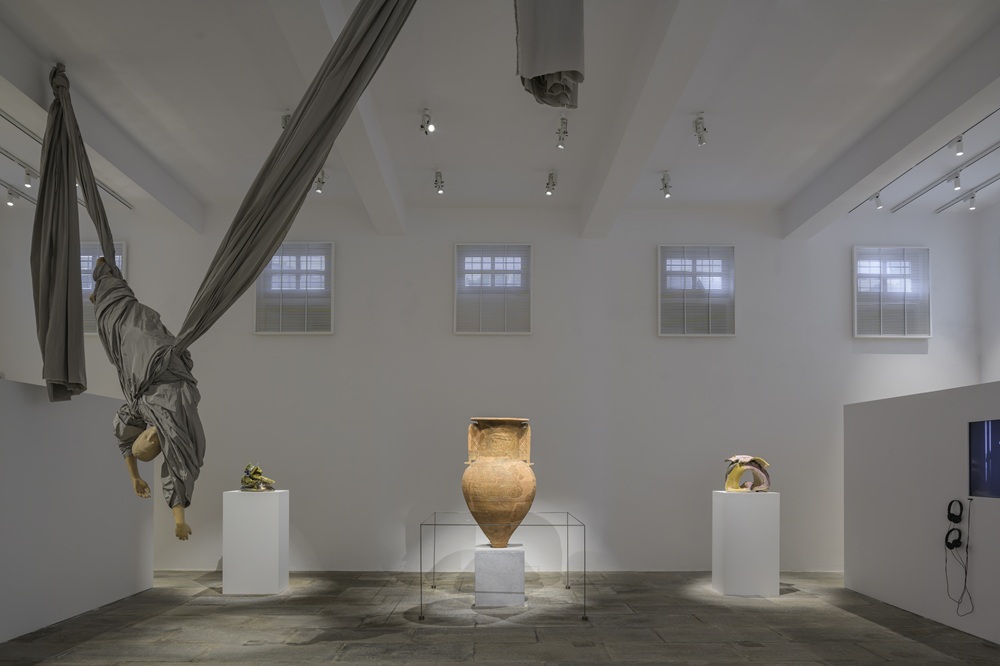
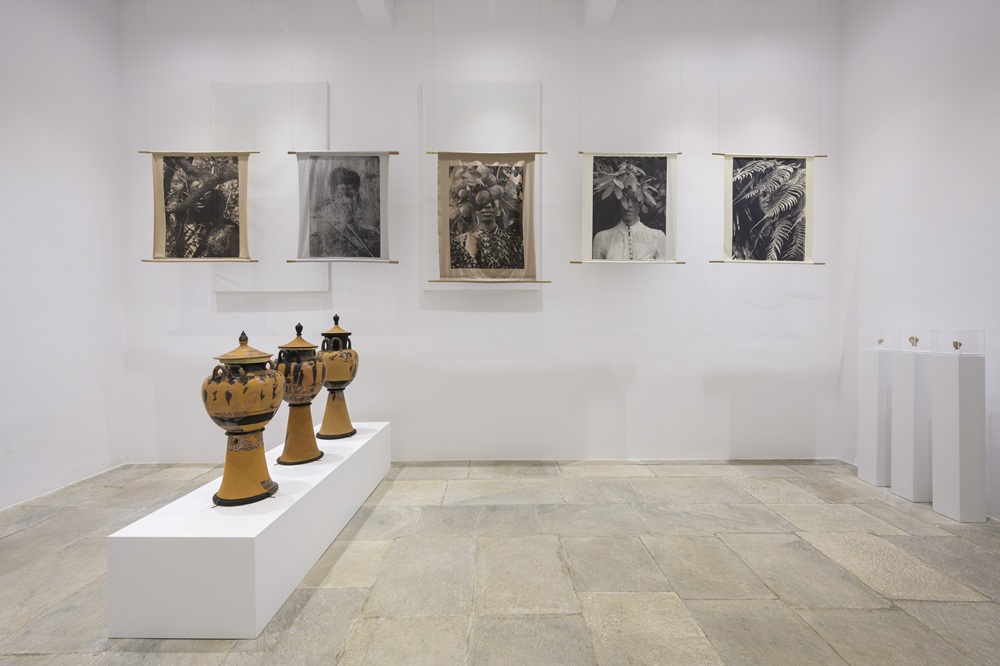
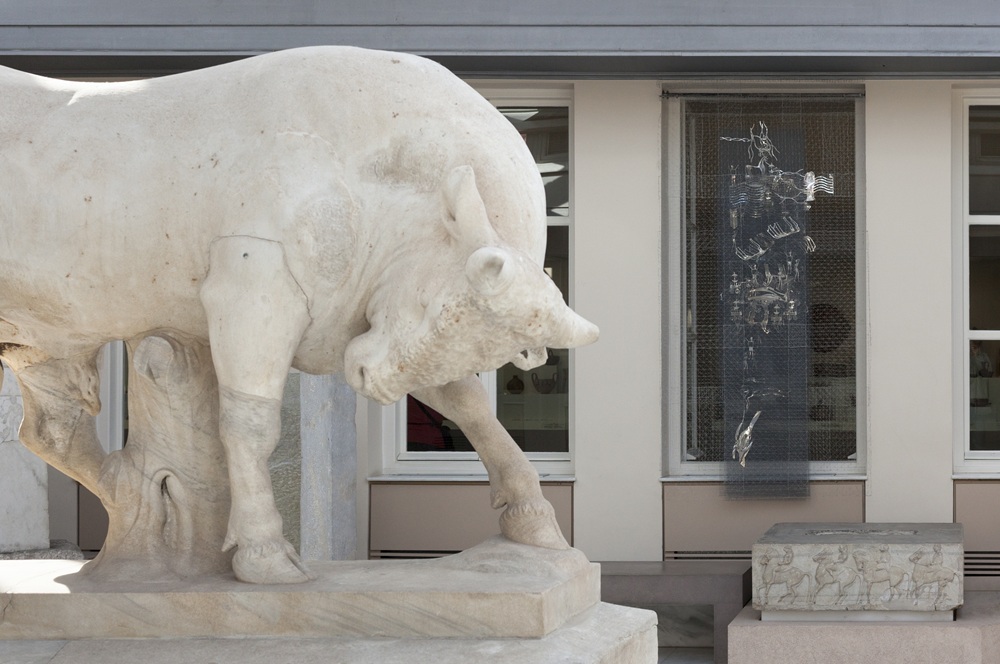
NEON concludes its program with the exhibition trilogy ”Michael Rakowitz & Ancient Cultures” at the country’s leading museums, at the Acropolis Museum and the Old Acropolis Museum, in collaboration with the Ministry of Culture and the Ephorate of Antiquities of the City of Athens. The trilogy addresses issues of cultural heritage, loss, restoration, and cultural continuity.
Over the past 14 years, NEON has fulfilled its political and social mission and has made a substantial contribution to broadening the audience for contemporary art and strengthening the country’s cultural ecosystem. Today, Greece is witnessing increased interest in contemporary art, the development of initiatives by various organizations, the strengthening of activities by public-benefit foundations, and broader recognition of the importance of contemporary art. Athens and Greece have now become a major international destination for artists and art lovers, while the operation of the EMST and new museums further reinforces this momentum.
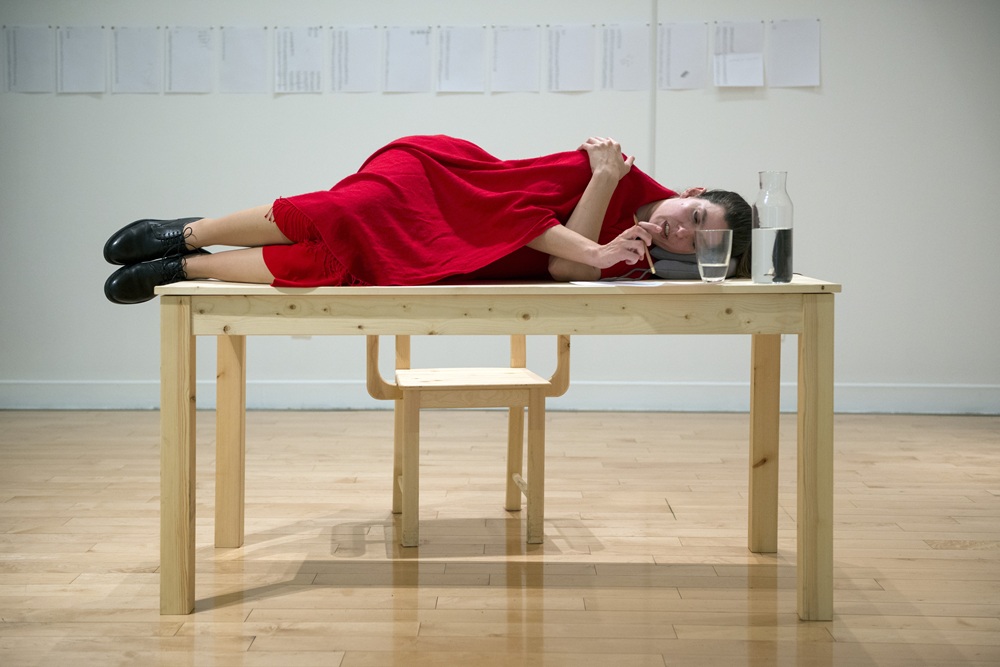
The knowledge, networks, and infrastructure established by NEON will continue to benefit the cultural landscape, ensuring that contemporary art remains vibrant and accessible.
Dimitris Daskalopoulos
NEON is an initiative of Dimitris Daskalopoulos, who has been active in the field of public service for three decades, with a focus on contemporary art. His goal has been to disseminate its messages to as wide an audience as possible, with the conviction that art can inspire, unite, and act as a catalyst for change.
In this context, the majority of his collection—approximately 350 works—was donated to four museums in three countries across two continents, ensuring their exhibition to a broader international audience, their long-term care, and their ongoing dialogue with the art of the future.
At the same time, he supports contemporary creation through scholarship and grant programs, facilitating artists’ access to knowledge, research, and production.
Furthermore, it is funding the construction of the new Arts Building at the Athens College, which will serve as an educational and exhibition center open to the community, thereby strengthening artistic literacy.
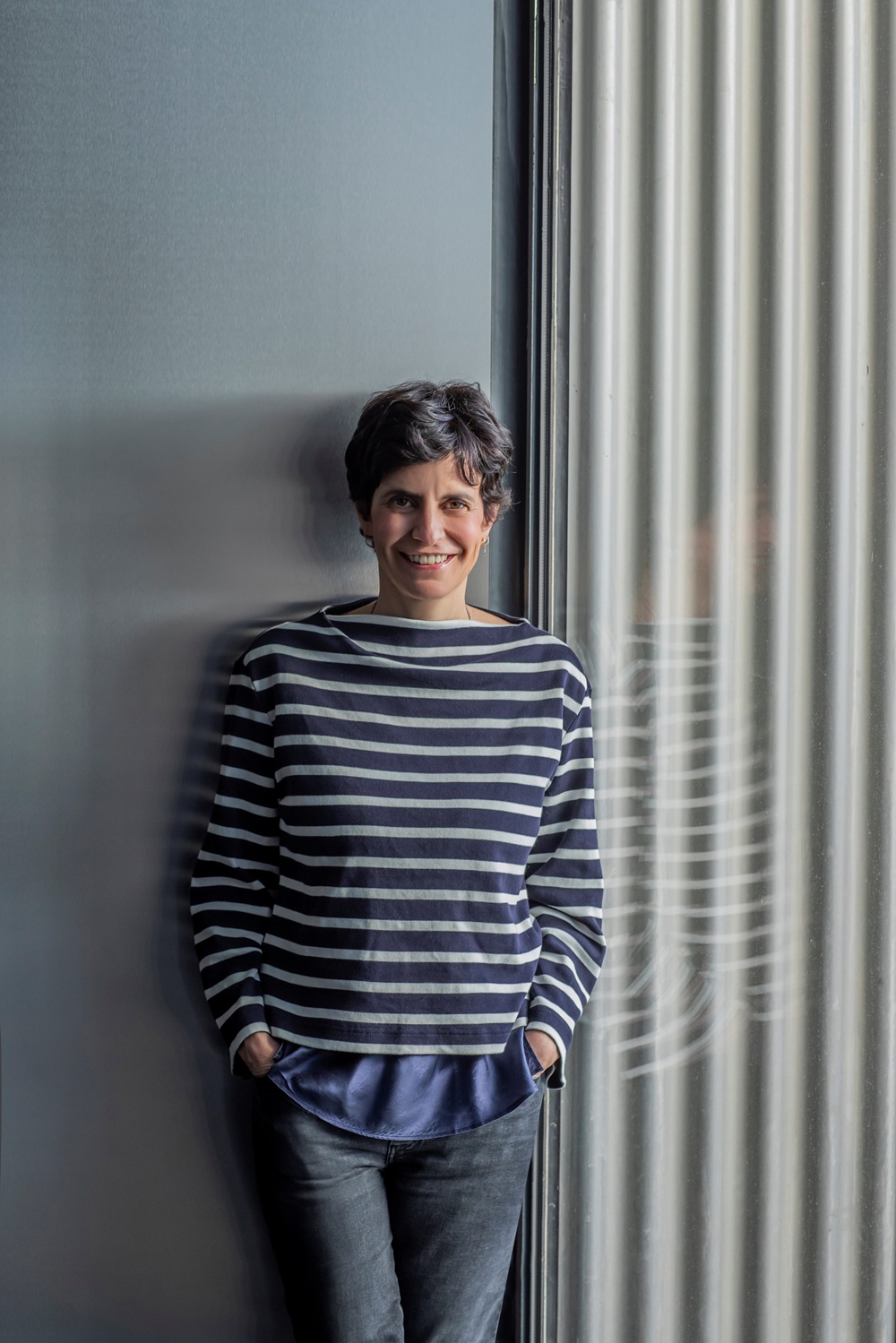
Elina Kountouri
Days of Art has been monitoring, documenting, and analyzing NEON’s activities since its founding.
Issue #17 (Fall–Winter 2023) features an extensive special section on NEON’s initiatives and contributions.
Days of Art thanks the founder of the NEON organization, Dimitris Daskalopoulos, and his team for the dialogue and the creative, long-standing collaboration.
NEON’s Activities and Legacy
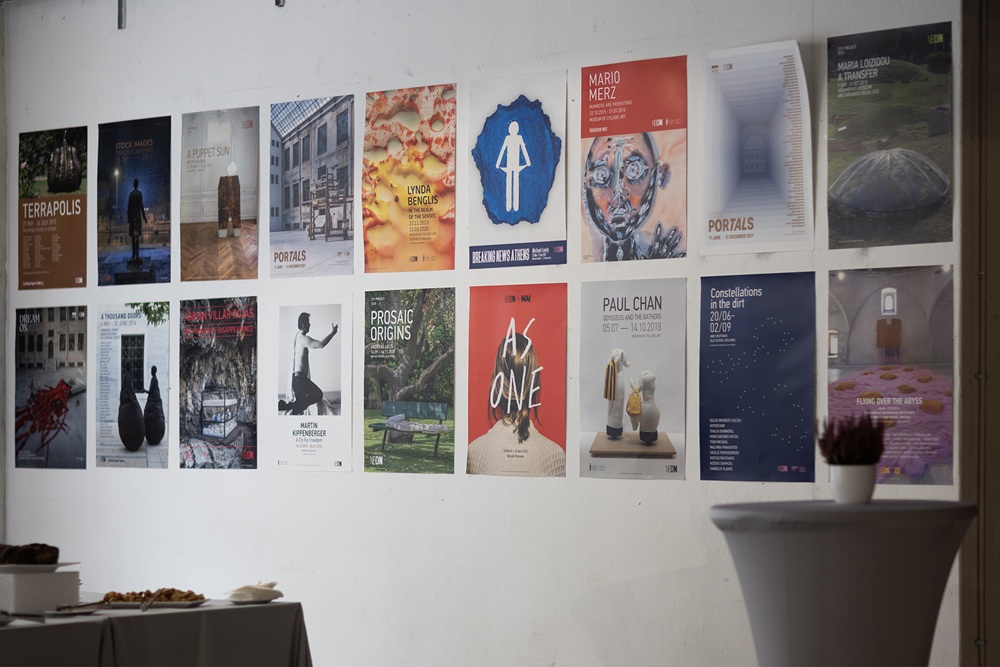
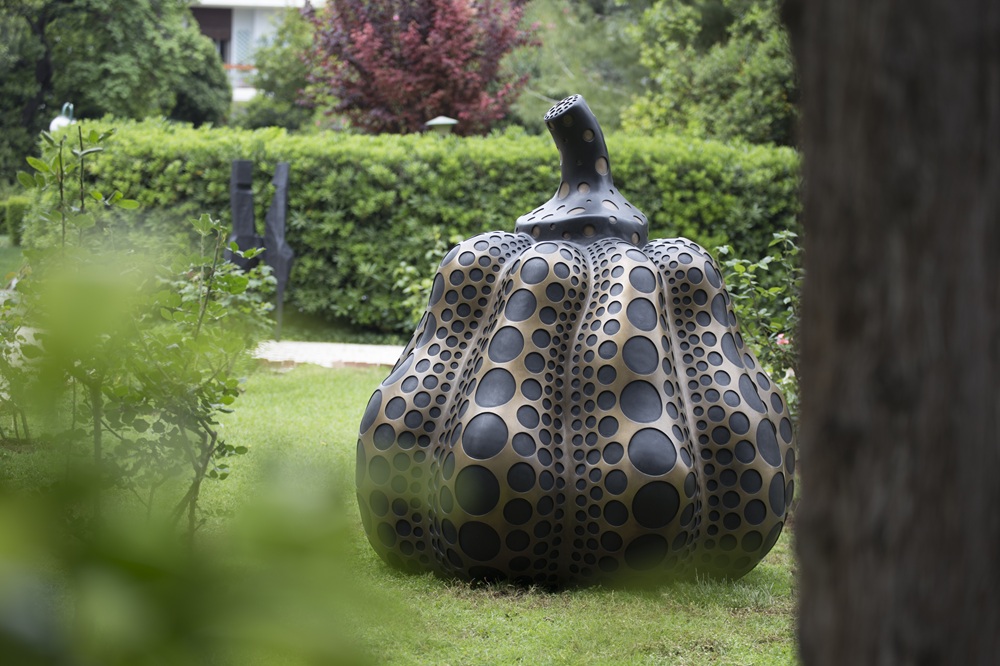
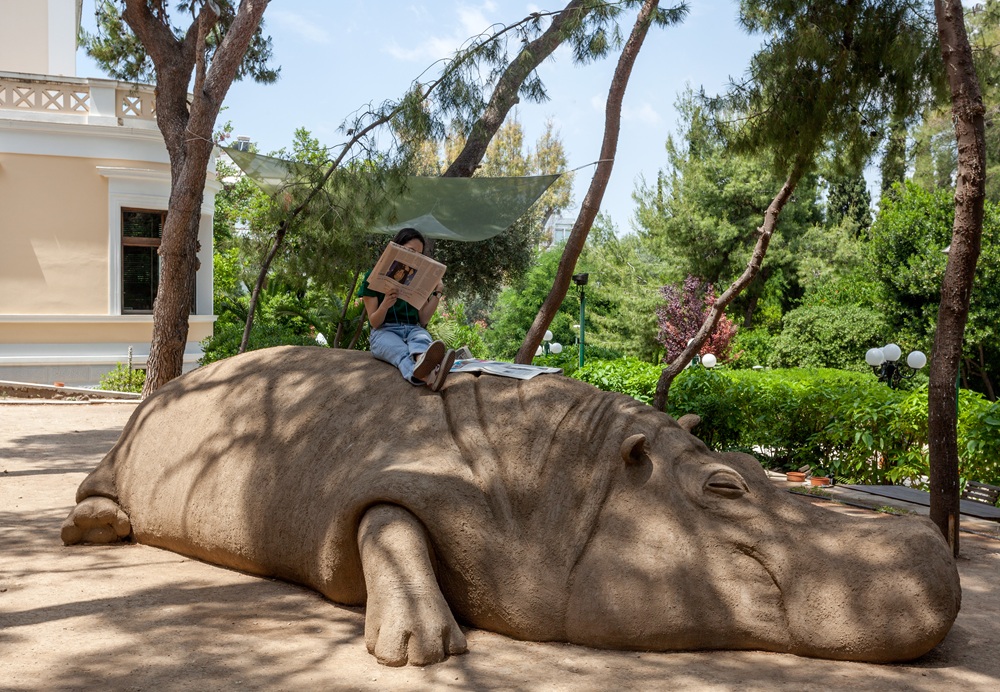
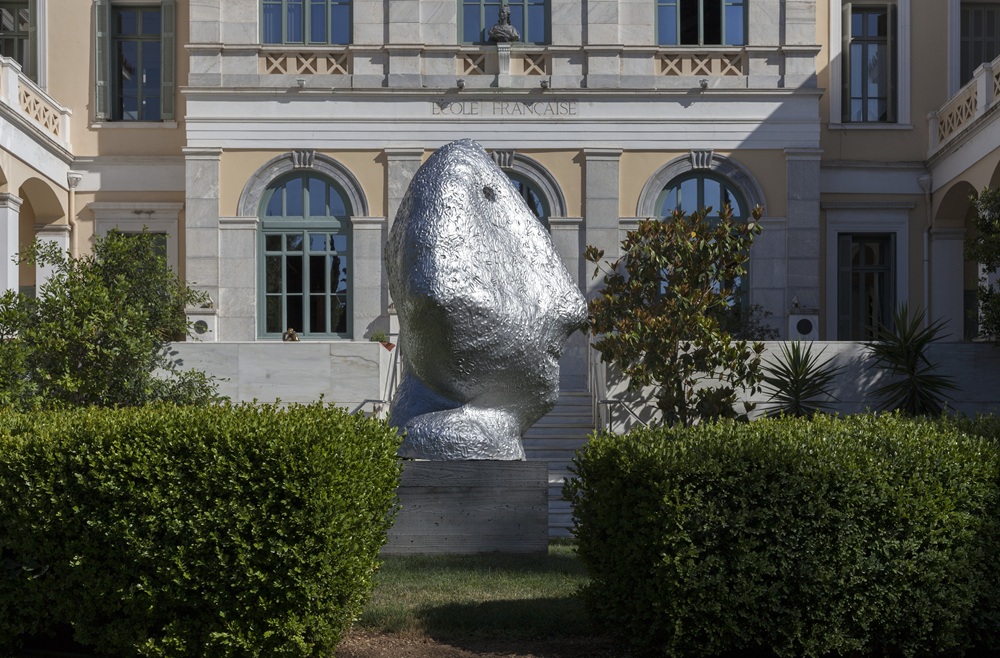
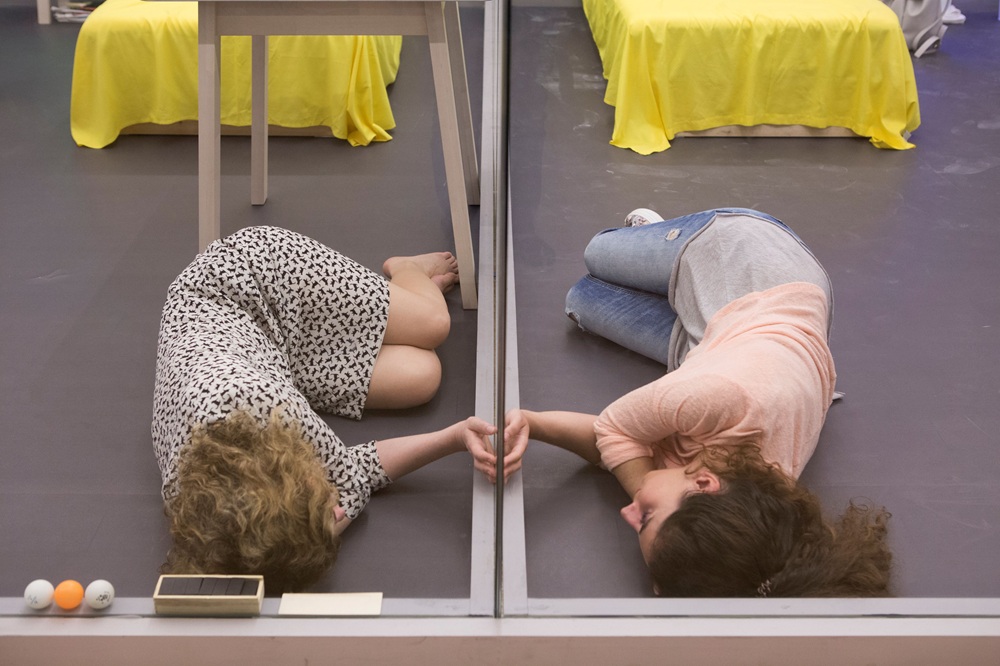
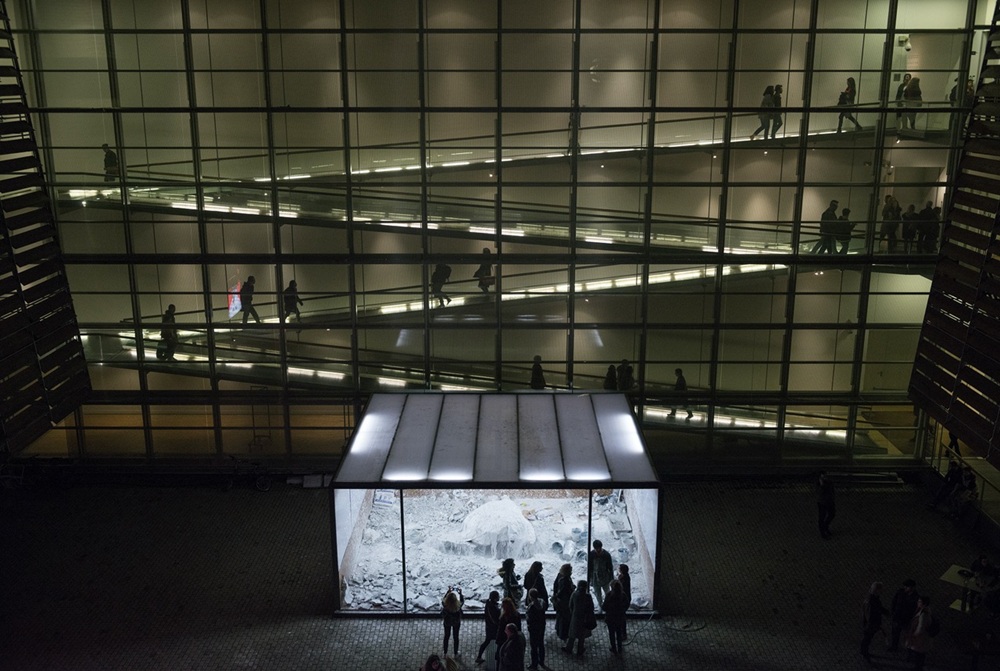
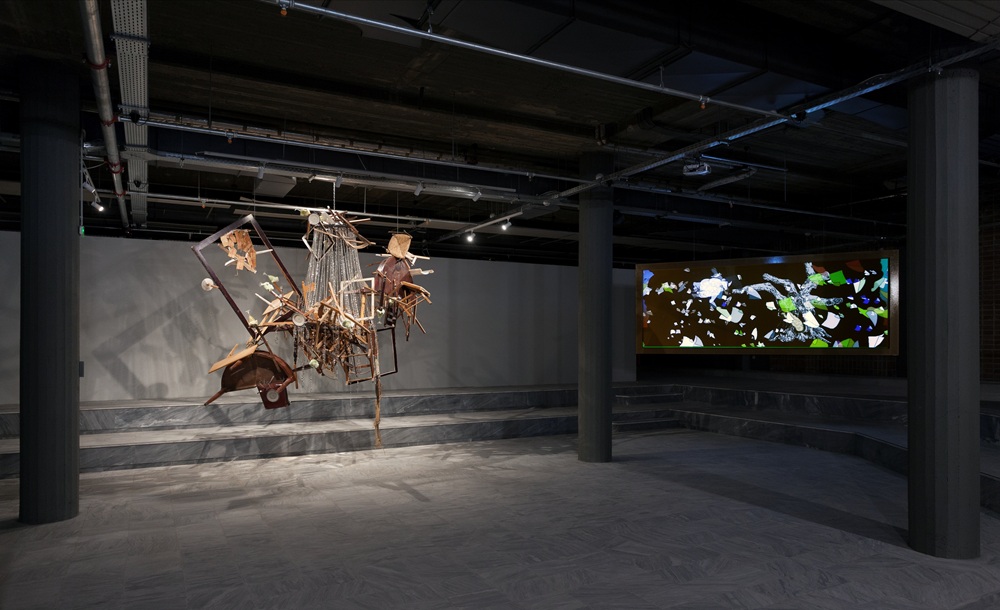
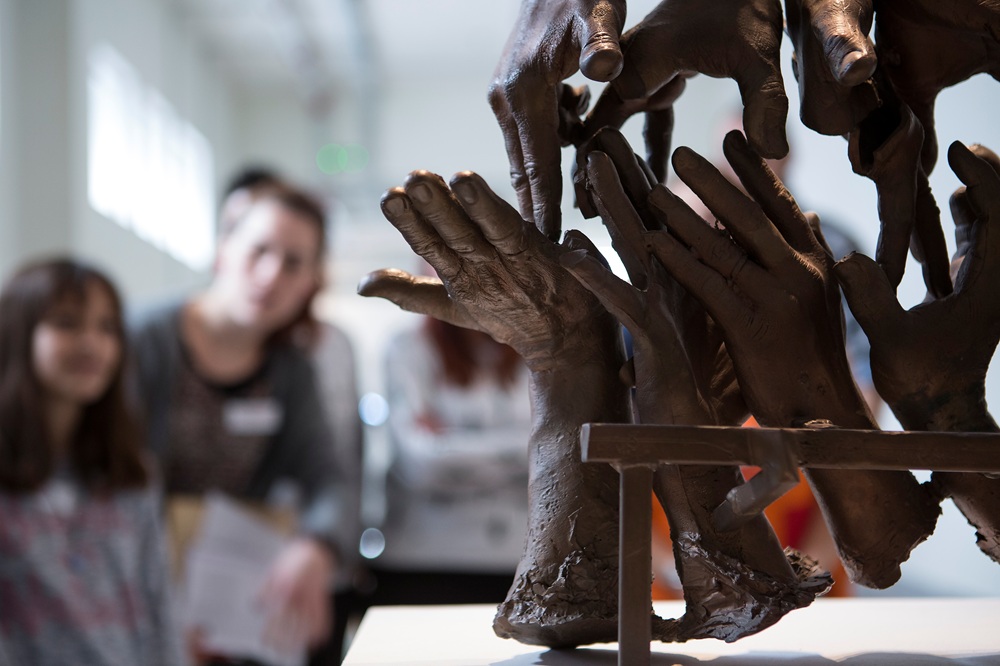
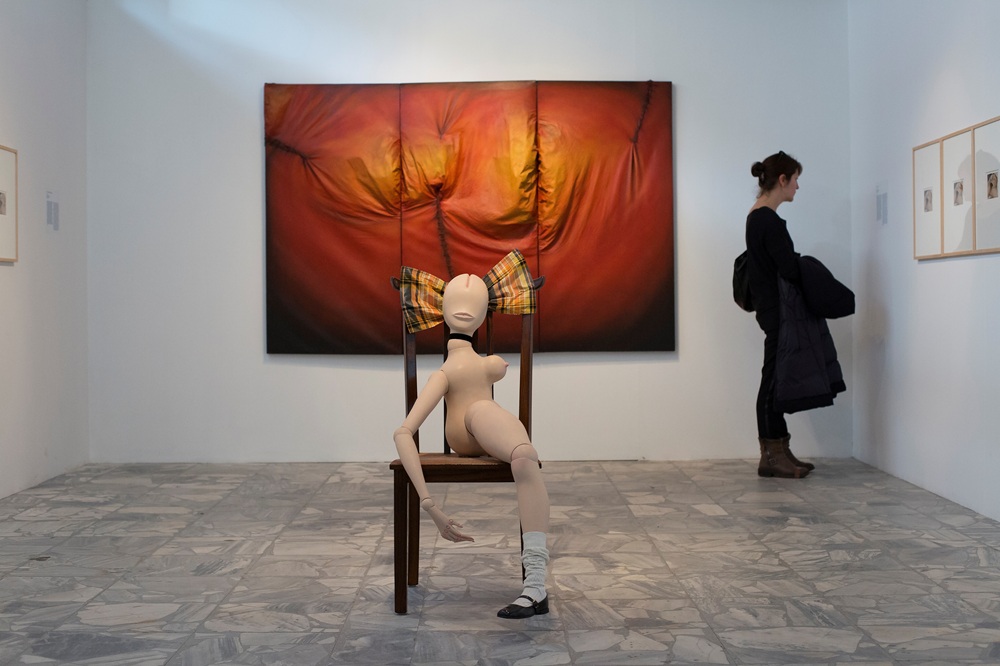
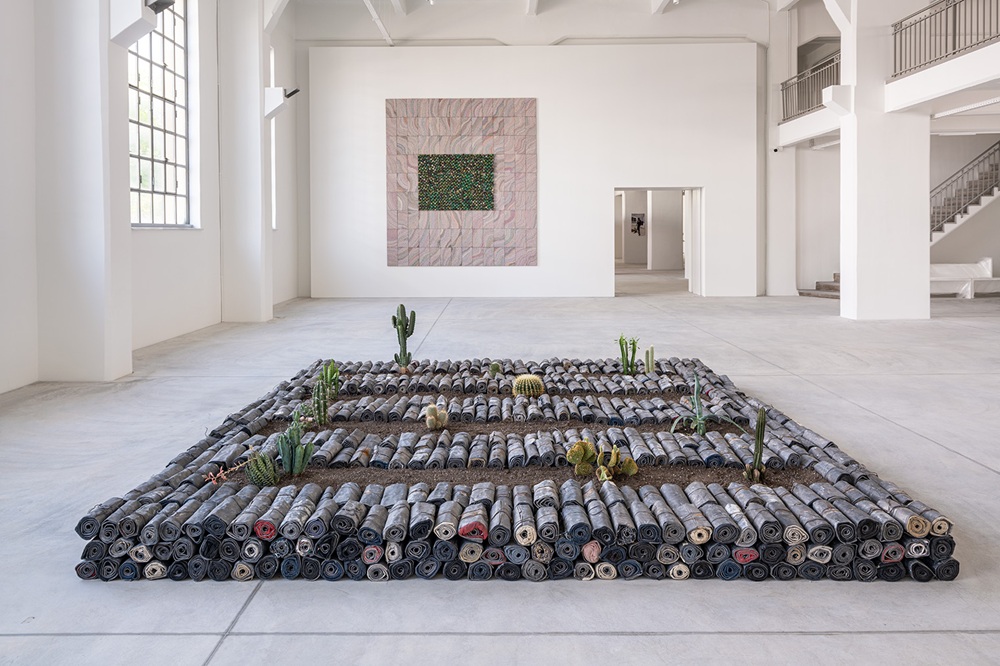
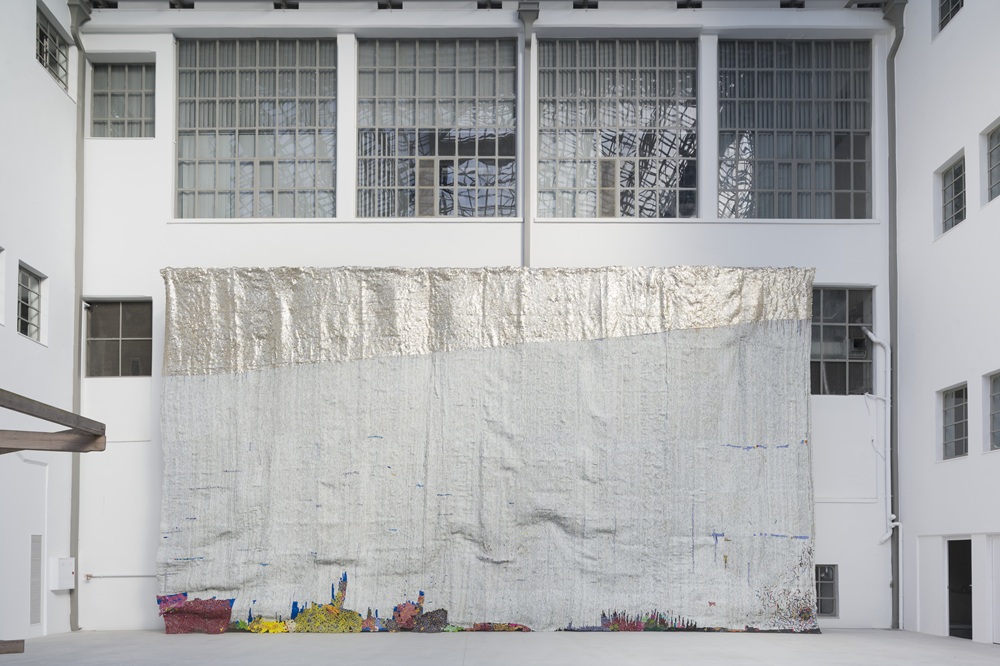
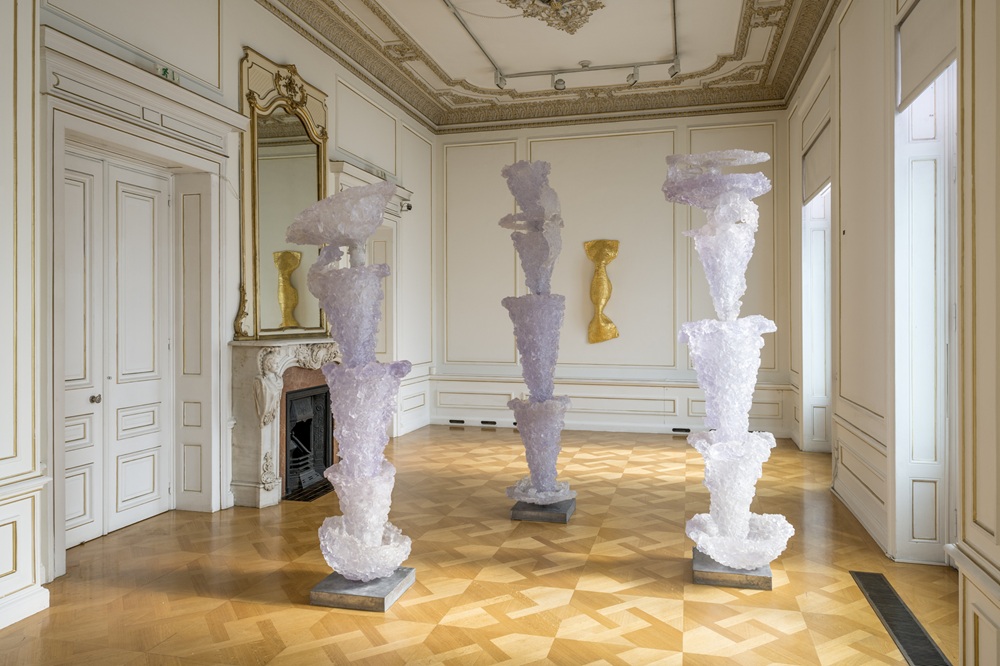
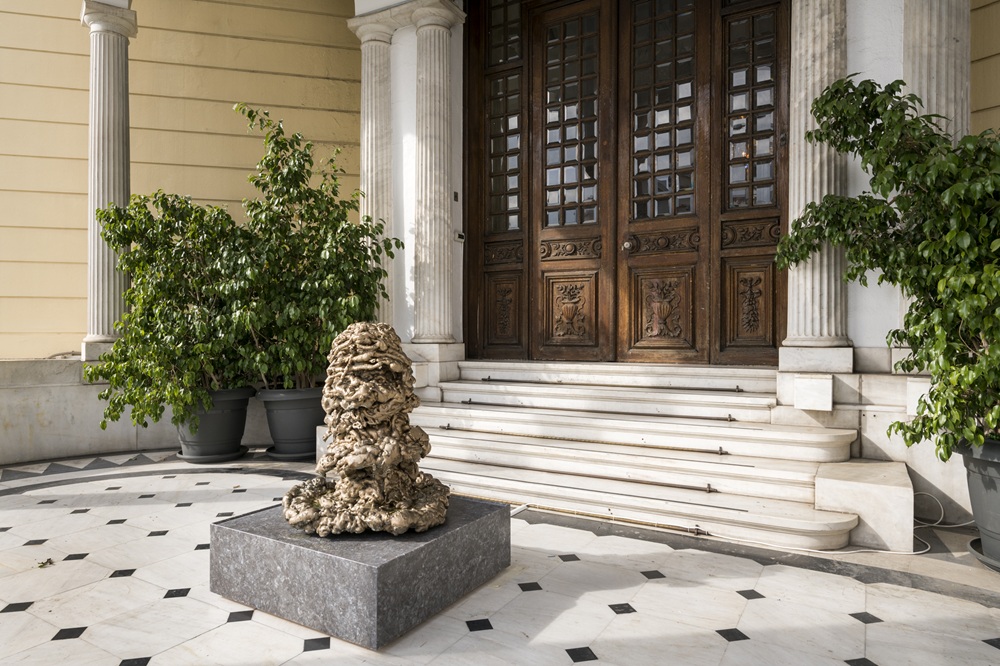
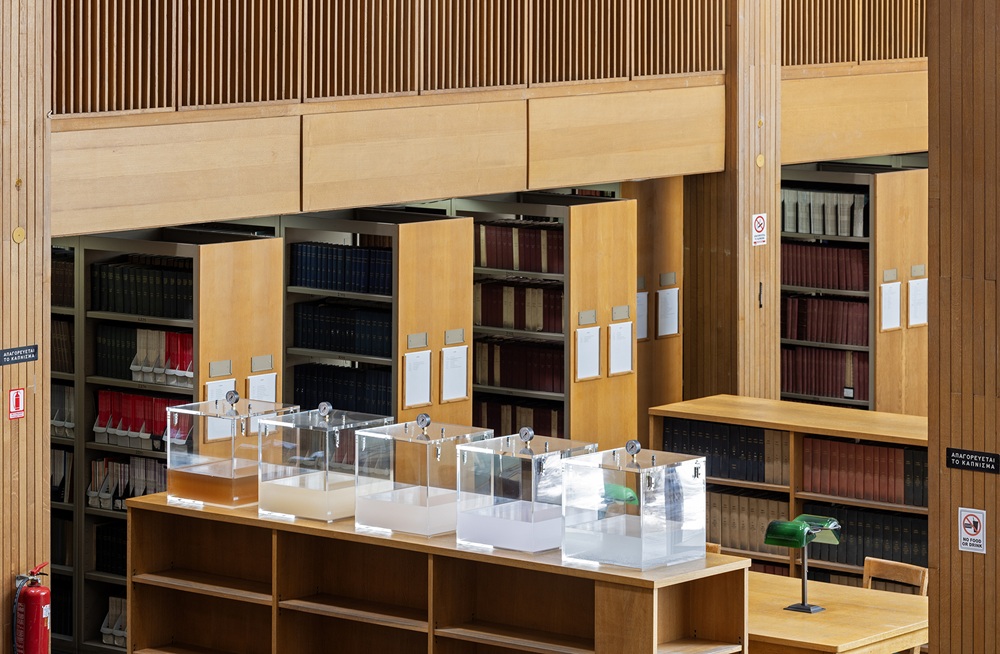
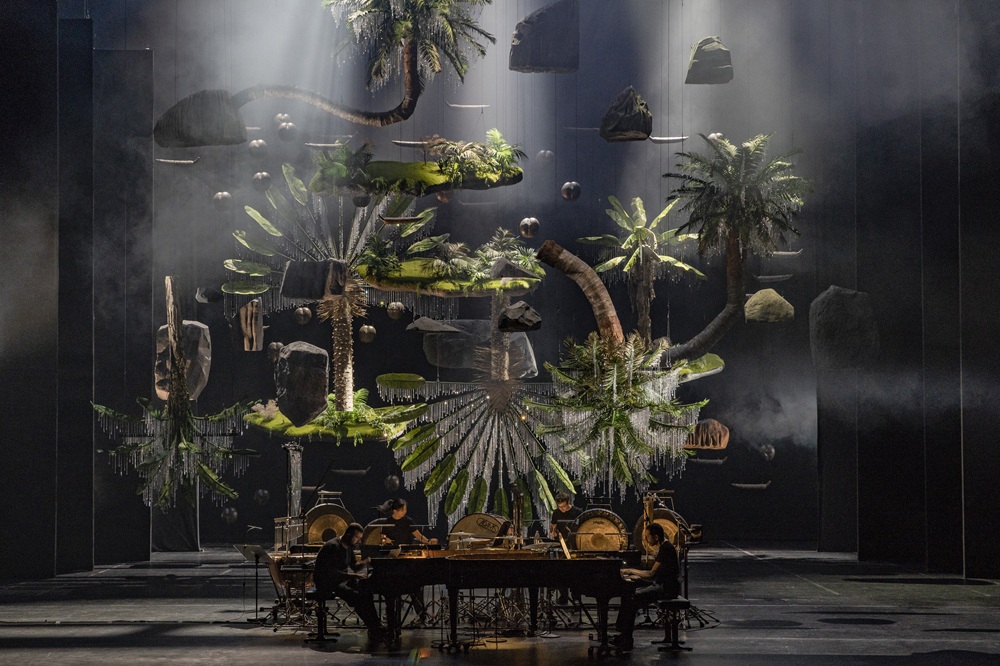
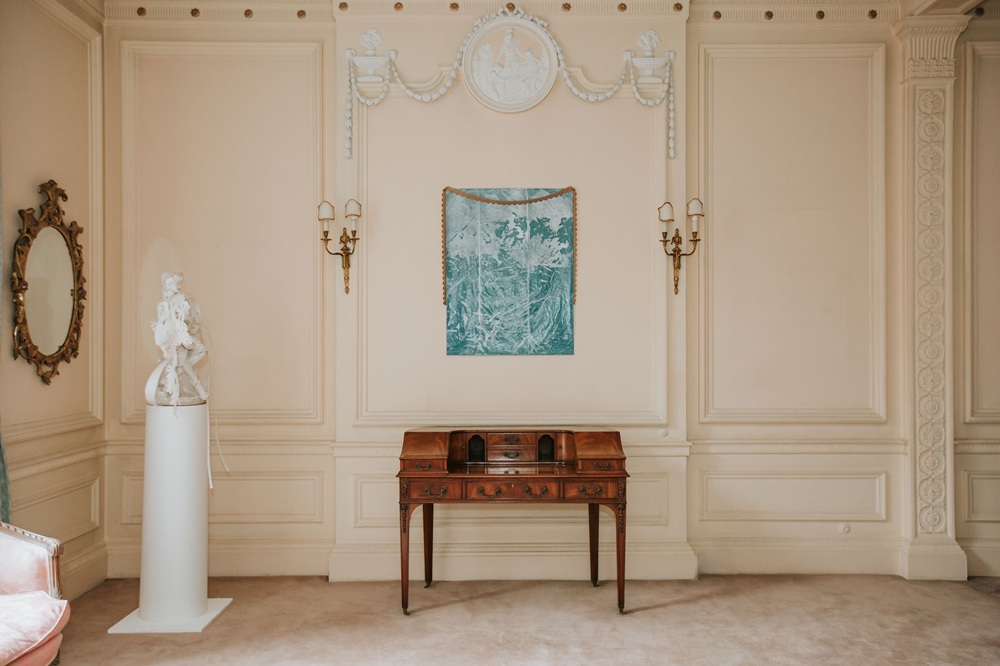
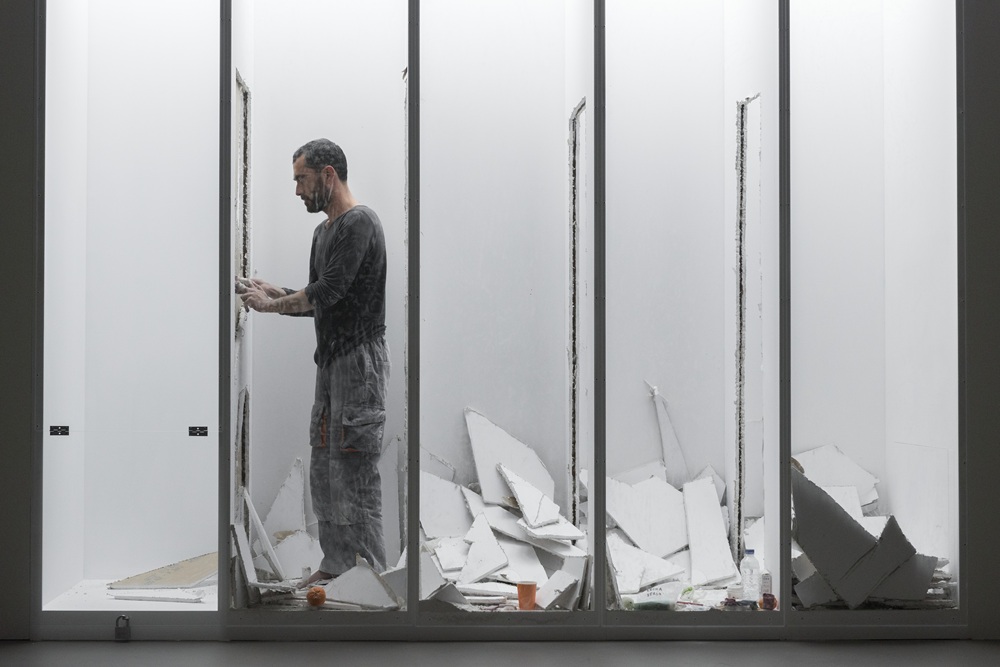
Over the course of its 14 years of operation, NEON has organized 44 exhibitions at 34 different venues, including museums, archaeological sites, historical sites, and urban spaces. It has presented works by 274 artists (103 Greek and 171 international) and has commissioned 105 new works from 75 artists. It has collaborated with 25 curators (17 Greek and 8 international). It has welcomed a total of 584,700 visitors to its exhibitions.
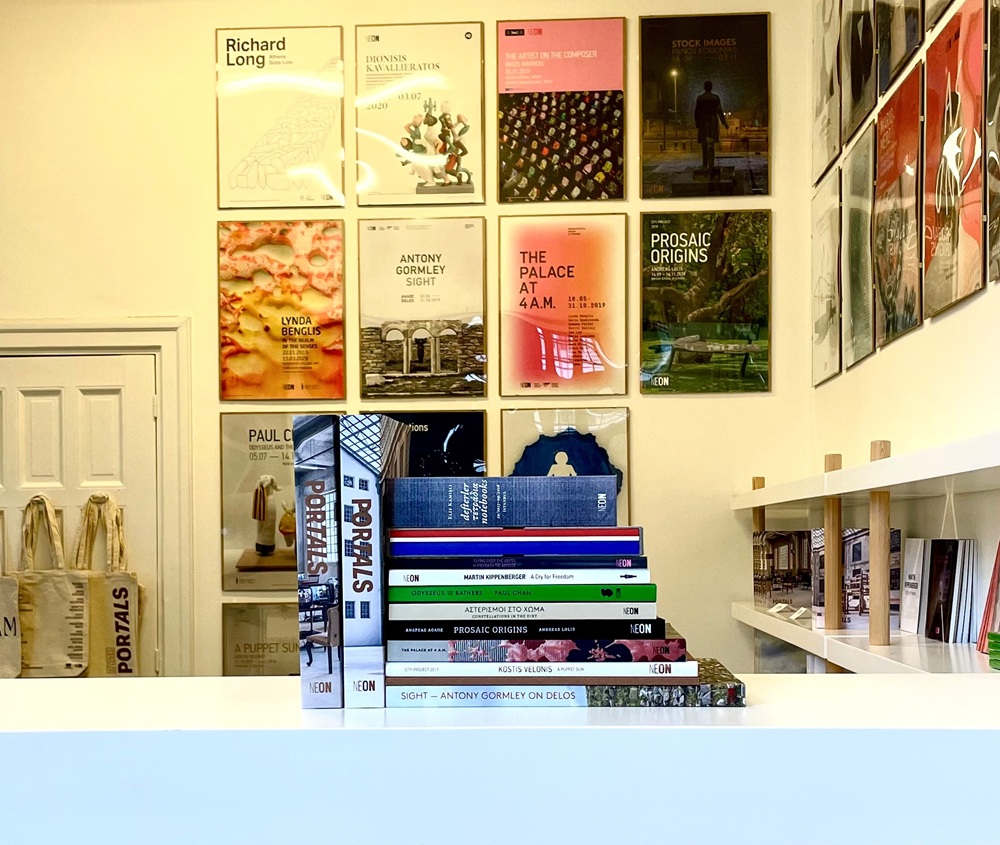
NEON has published 28 catalogs, which document its exhibitions in detail through photographs and texts.
Educational programs and support programs for emerging artists, as well as the strengthening of partner organizations, play a central role in NEON’s activities. NEON has allocated nearly €6 million through grants, scholarships, renovation projects, infrastructure, and equipment.
The Grants Program has supported 259 independent initiatives, and approximately 2,500 artists have benefited from these programs. 155 of the funded projects took place in Athens, 81 in other parts of Greece, several of them toured internationally, and 23 projects were carried out directly abroad. Through its Fellowship Program, NEON has supported 75 emerging artists and students pursuing master’s and doctoral degrees, building a robust network of professionals who will contribute their expertise to the cultural ecosystem.
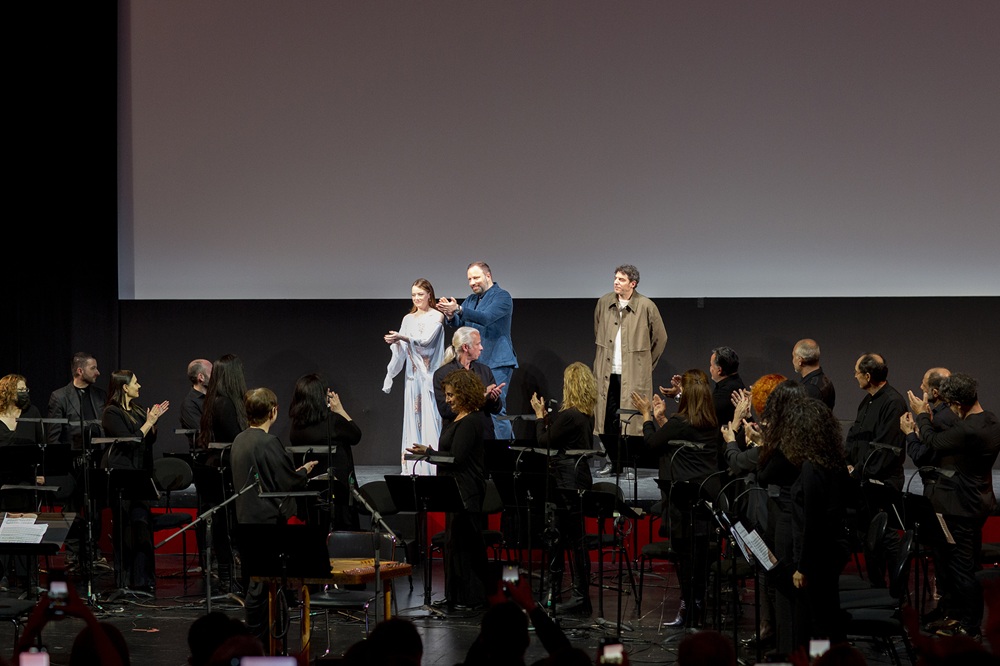
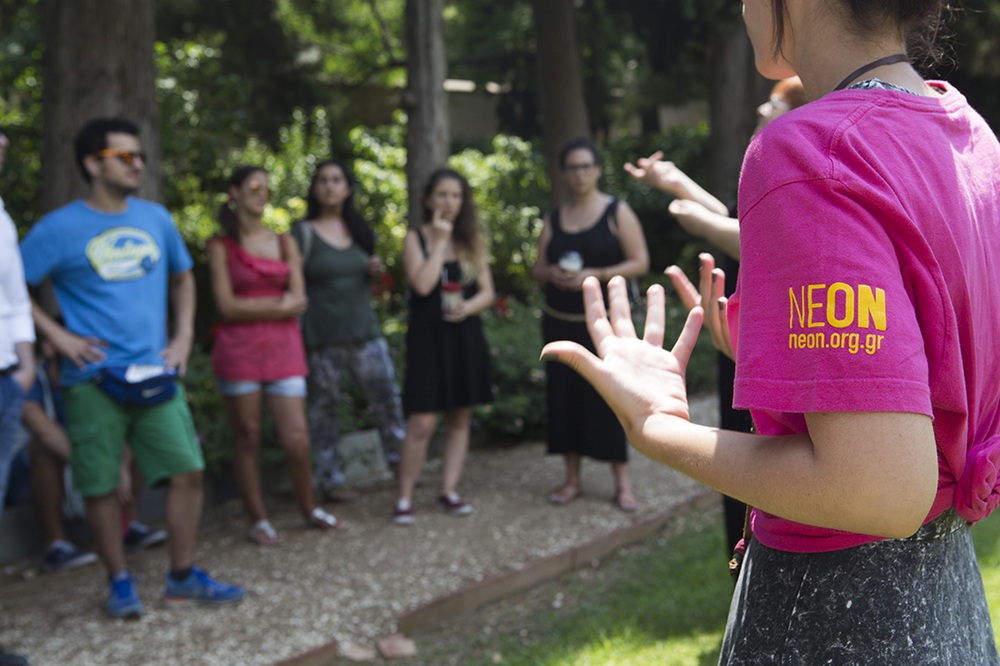
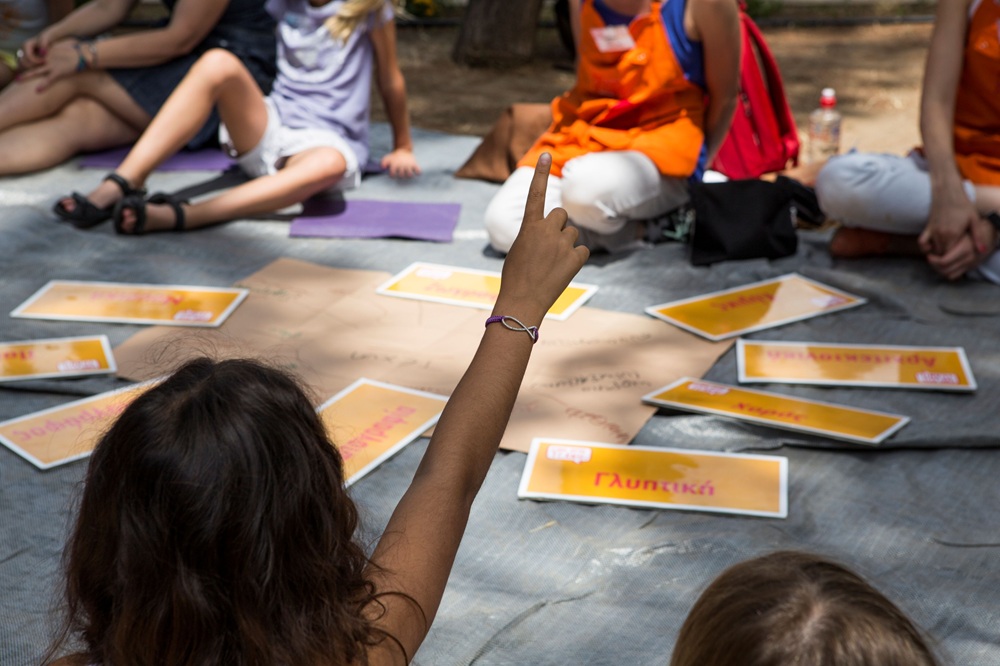
The educational program “Is This Art?” is the first program in public schools to focus on contemporary art. In collaboration with the Hellenic Children’s Museum, 1,000 programs were implemented, reaching 20,000 students and 1,400 teachers in 161 public and private schools in Attica and Euboea, as well as online to schools in Attica, Piraeus, Drama, Lemnos, and Brussels. In addition, more than 21,000 students, teachers, parents, university students, professional groups, and other groups have participated in over 1,000 guided tours and educational programs held at all of NEON’s exhibitions.
The NEON curator exchange program, in collaboration with the Whitechapel Gallery, has created a network of 210 young curators and professionals who are strengthening artistic ties between Greece and the UK.
At the same time, more than 1,000 people have been trained through the Educate the Educator program in Athens, Thessaloniki, Patras, and Volos.
From 2013 to 2020, NEON was the sole sponsor of Outset.Greece, the Greek branch of the Outset Contemporary Art Fund. Outset.Greece supported 69 initiatives and 891 artists, including exhibitions, new artistic creations, and educational programs, allocating €490,000.
Before the EMST opened to the public, NEON launched the NEON Fund for EMST program, offering €50,000 annually to purchase works selected by the Museum from international exhibitions to enrich its permanent collection. In total during this period, NEON allocated €250,000 to the National Museum of Contemporary Art, which acquired 25 new works.
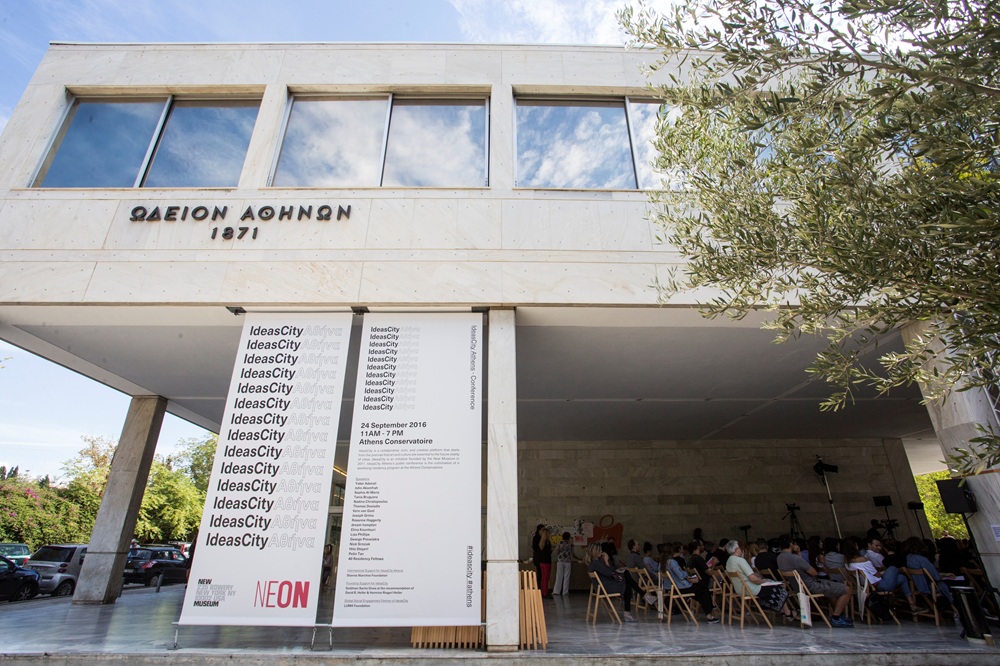
Landmark Infrastructure. Focusing on the city, NEON collaborated with state cultural institutions and revitalized iconic historic buildings and archaeological sites to bring them to the forefront of cultural activity. The highlight was the renovation of 6,500 square meters of the former Public Tobacco Factory building in 2021, a €1.4 million investment, and the creation of a modern cultural center that was handed over to the Hellenic Parliament. Additionally, it renovated and created an art space at the Athens Conservatory in 2016, while it has carried out infrastructure, construction, and renovation projects and provided equipment to 12 Greek institutions and organizations as a result of collaborations and exhibitions held at their venues.
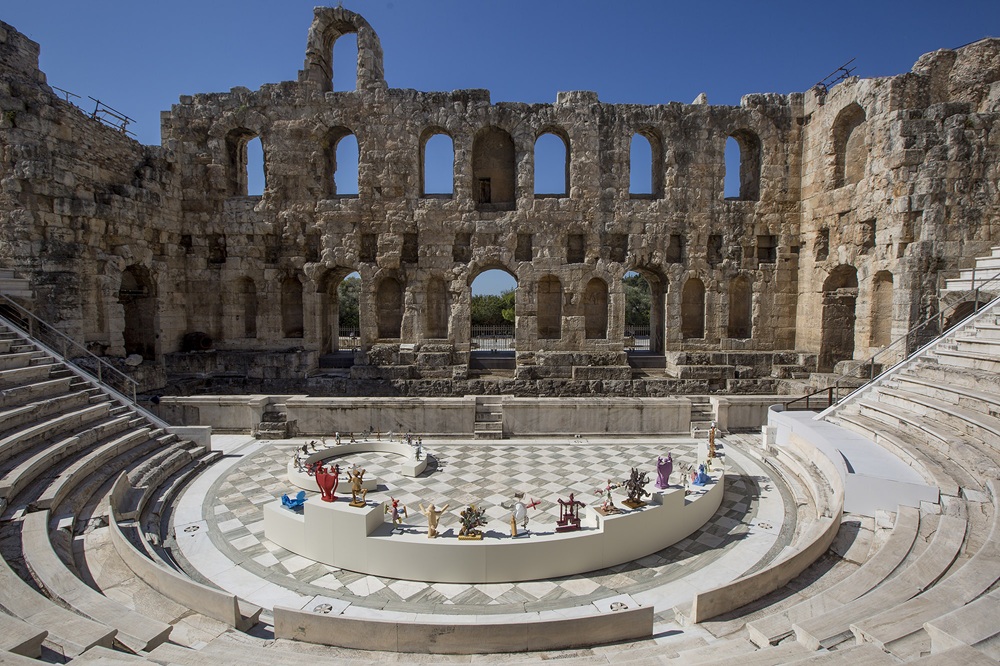
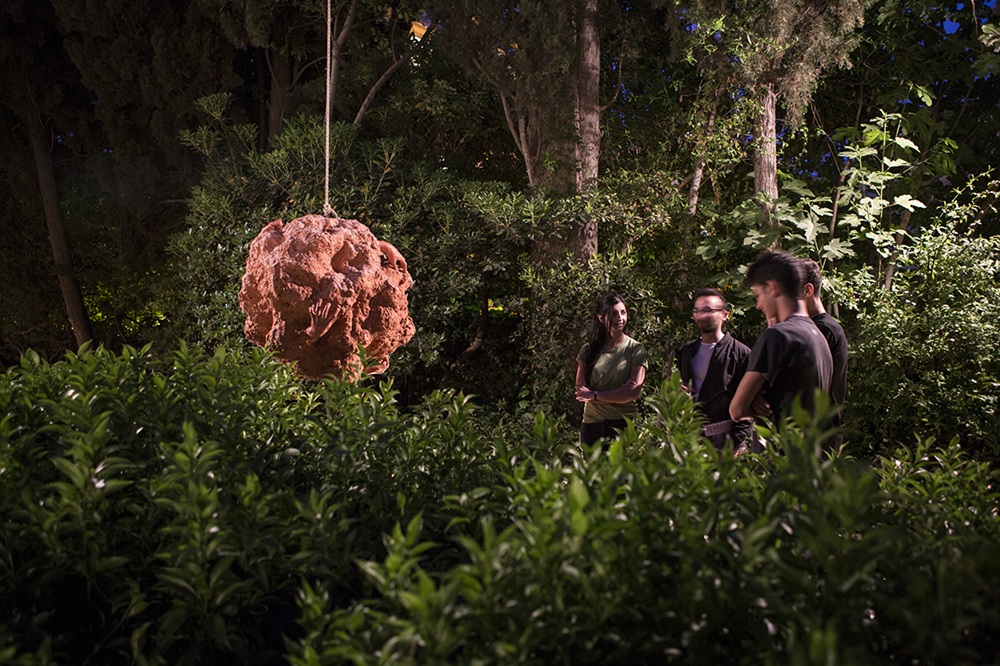
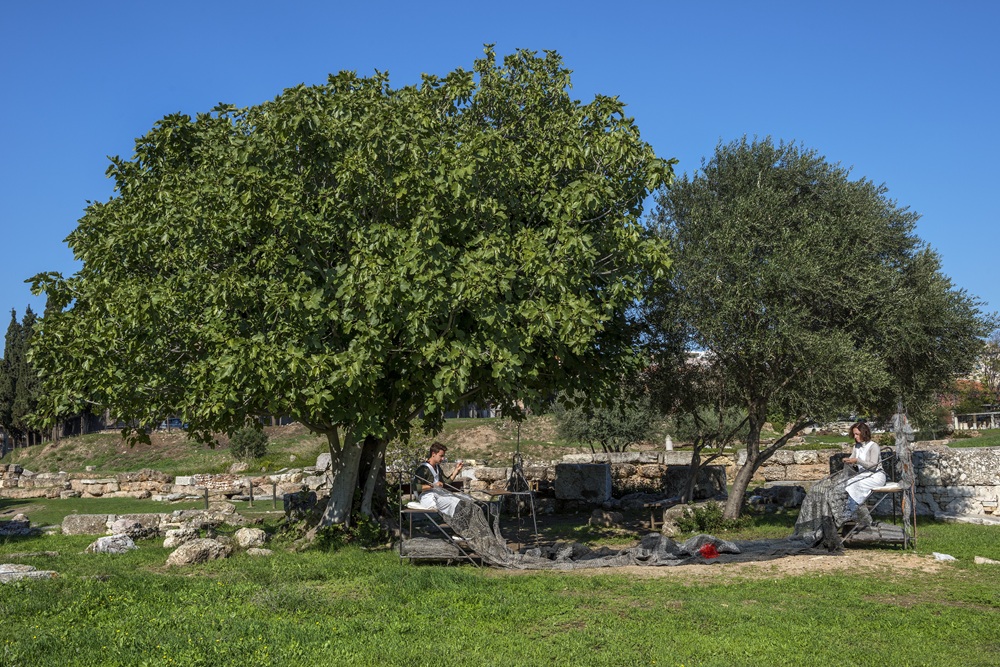
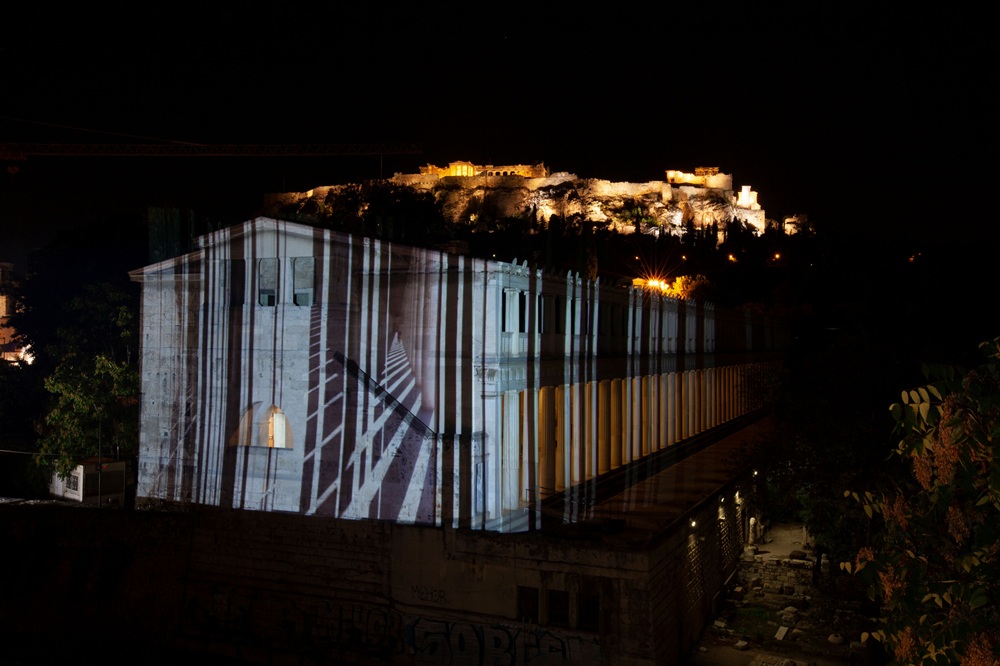
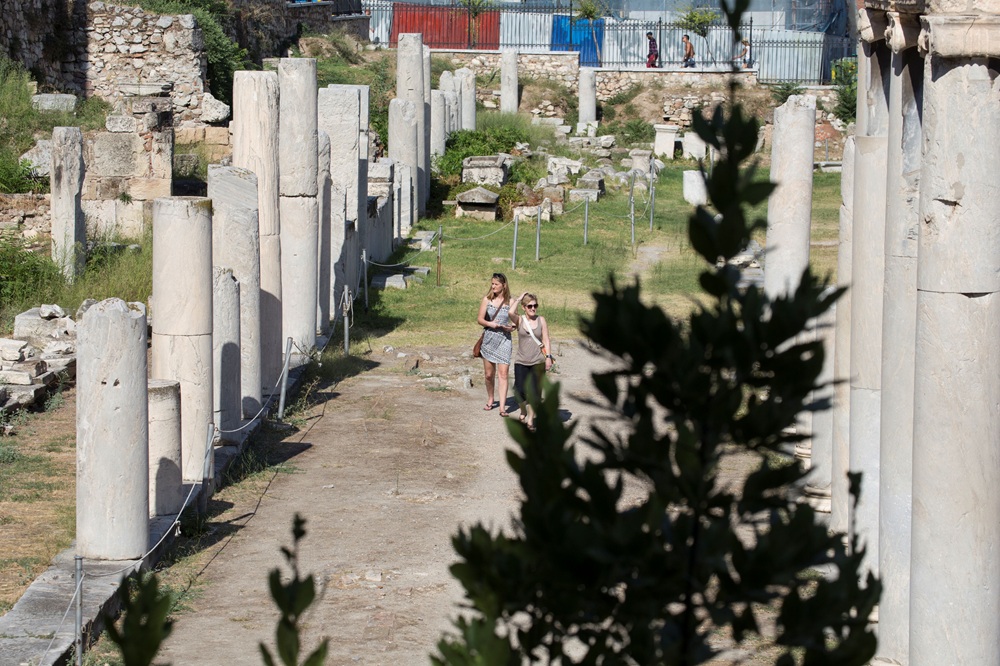
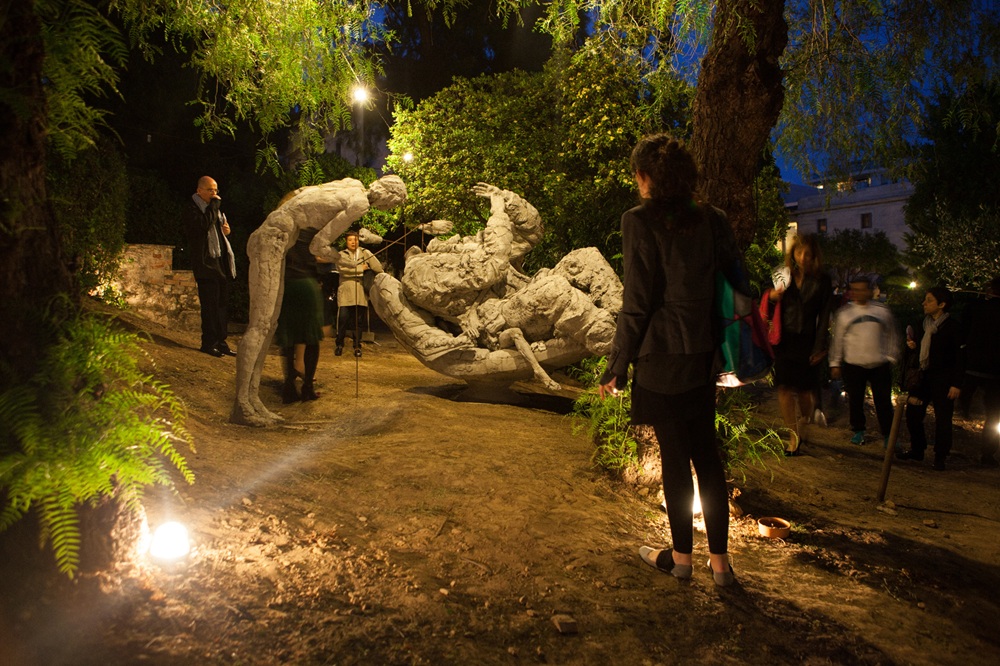
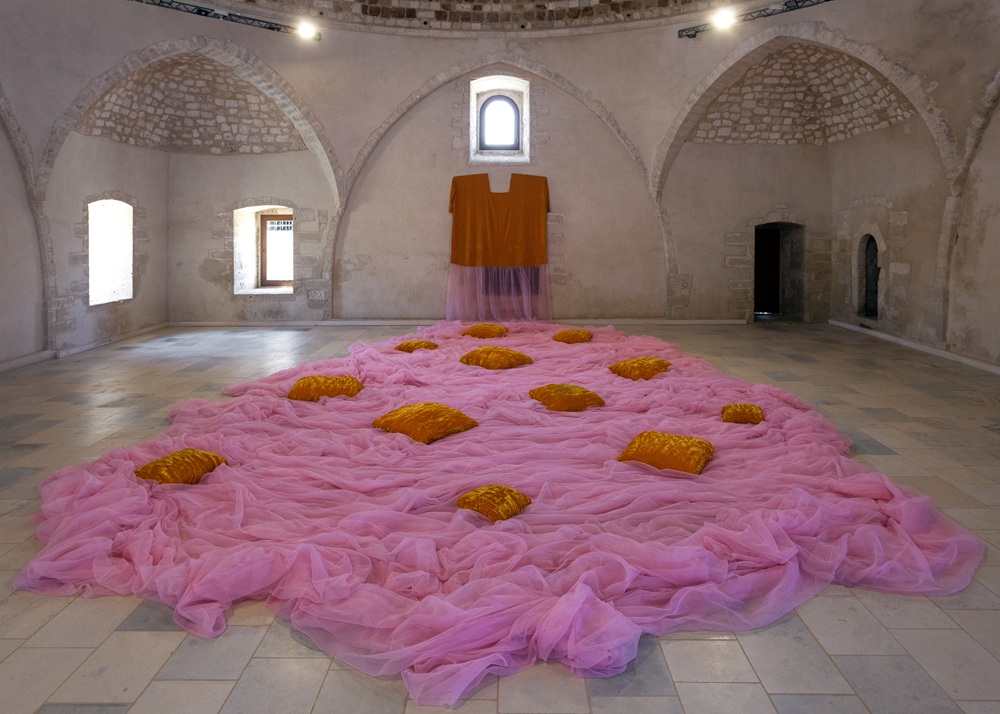
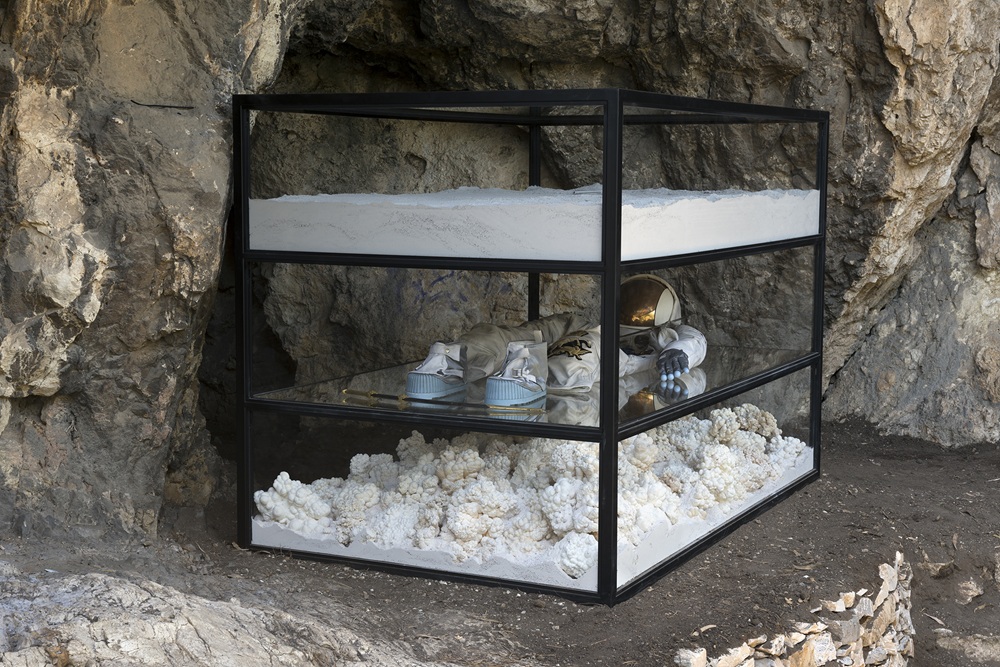
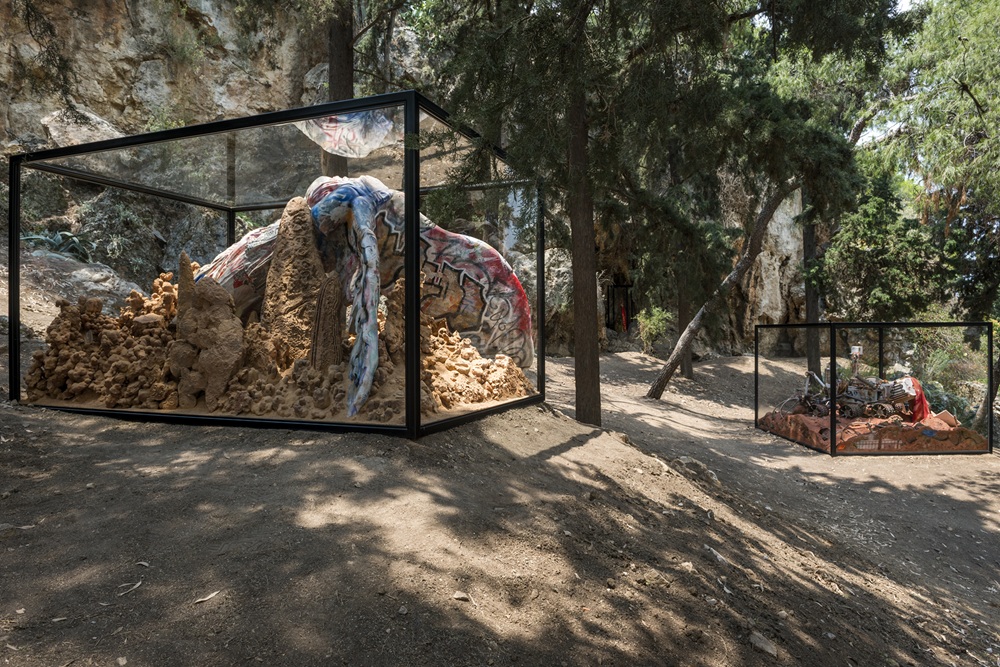
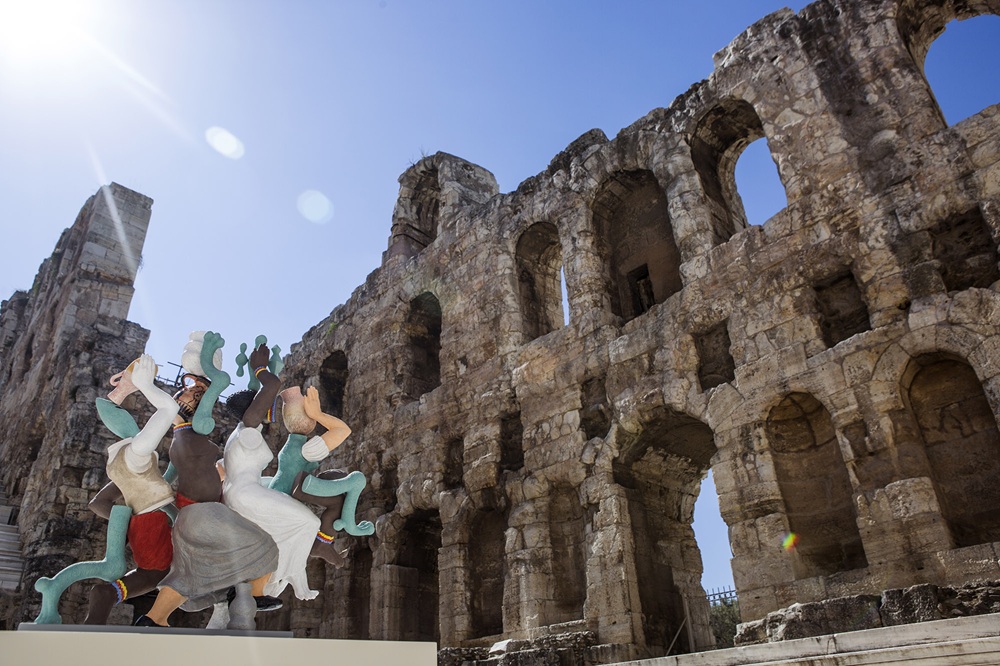
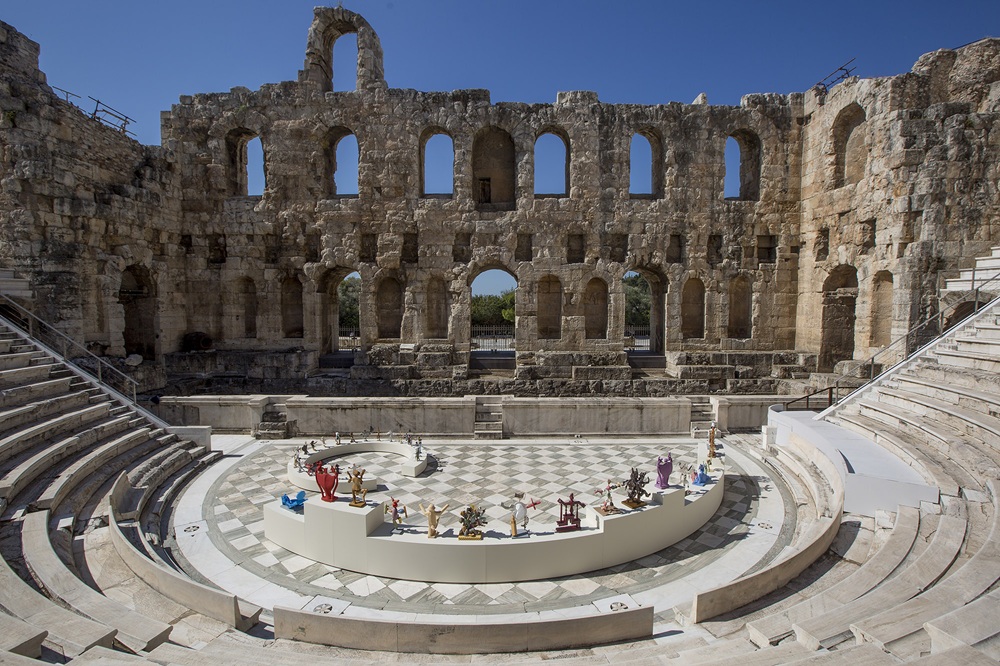
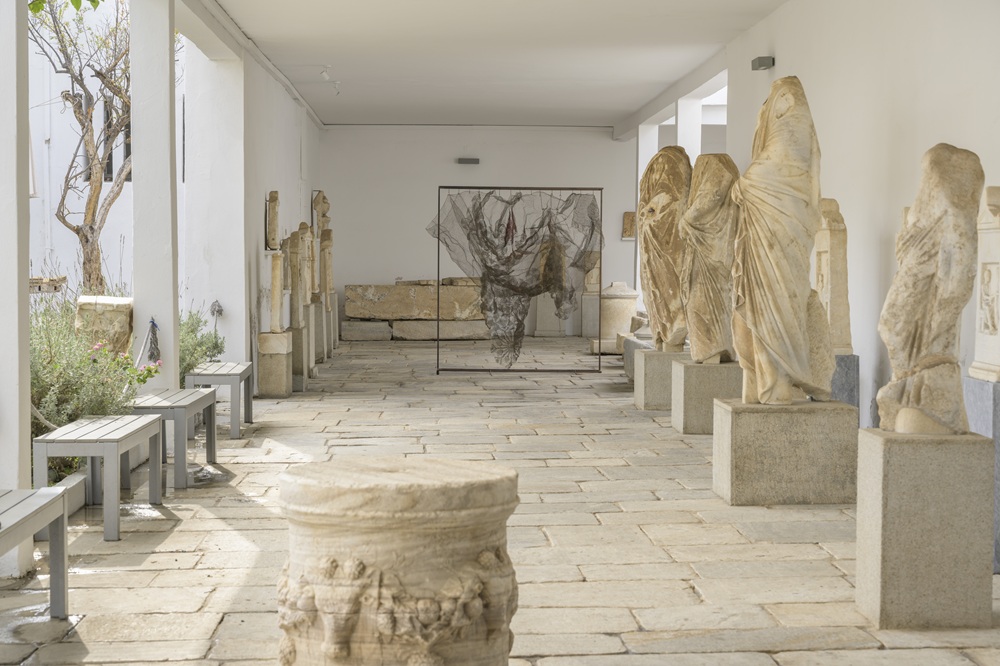
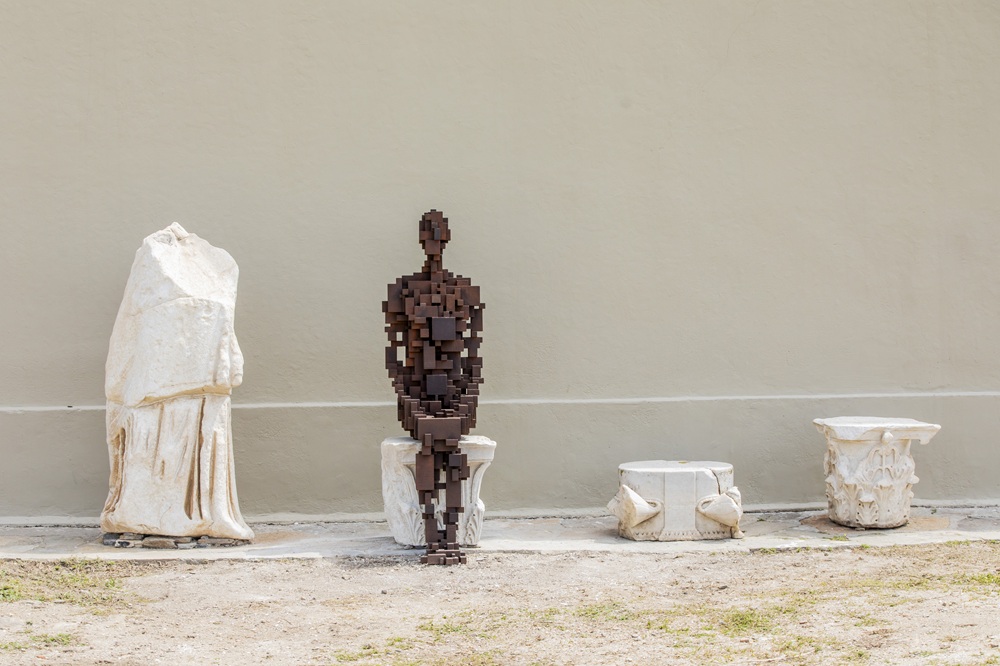
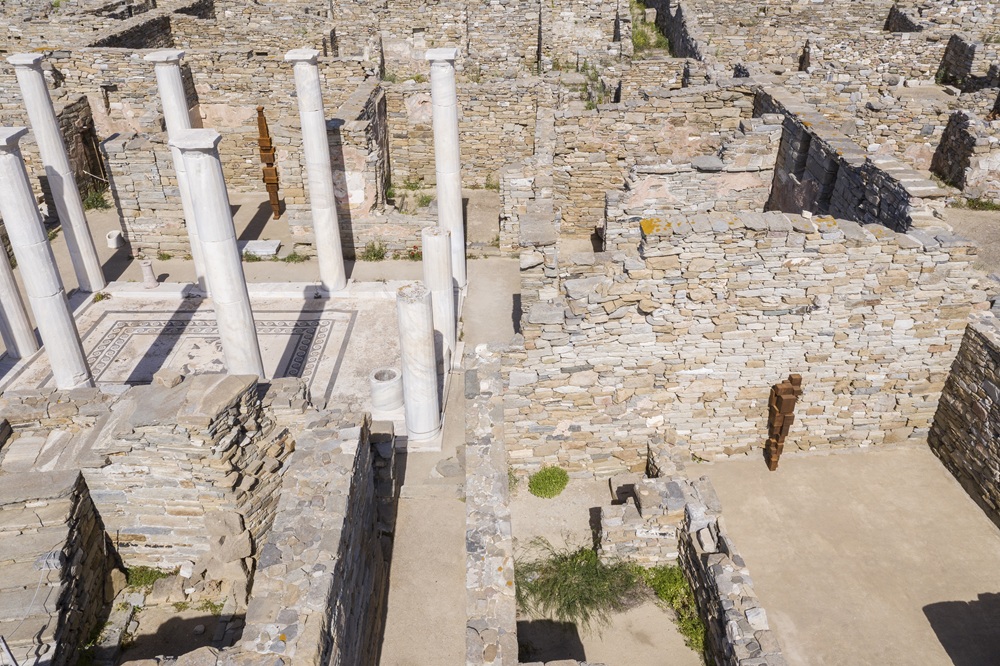
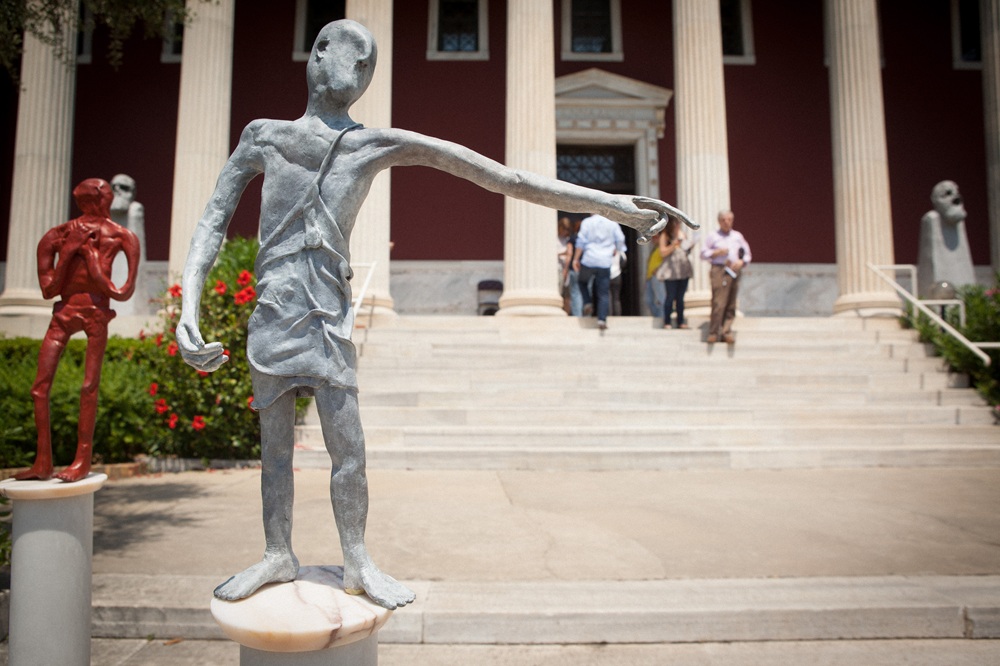
Contemporary art at archaeological sites. NEON has worked closely with the Ministry of Culture and public institutions to curate and present 17 contemporary art exhibitions at archaeological and historical sites throughout Greece, offering new perspectives on cultural heritage through the lens of contemporary art. As part of this initiative, NEON has donated contemporary artworks to the archaeological sites where they were exhibited, in collaboration with the Ephorates of Antiquities.
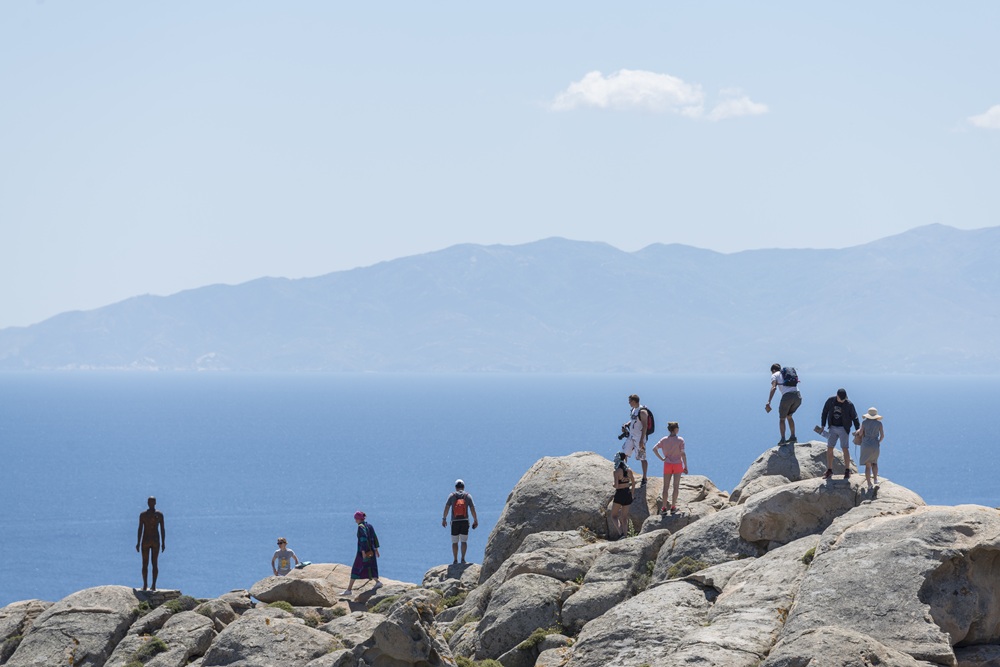
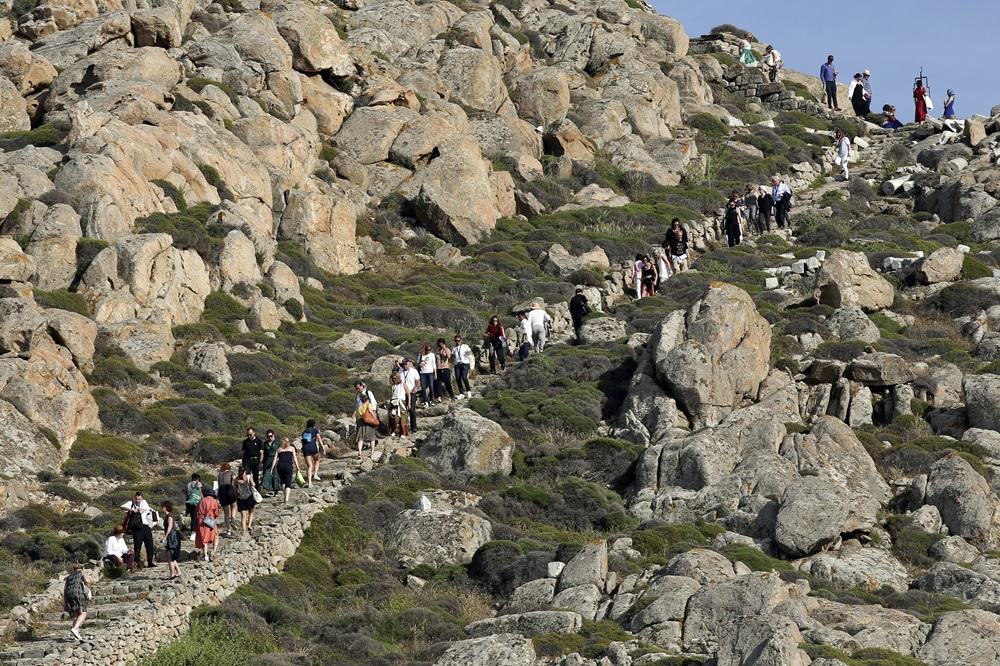
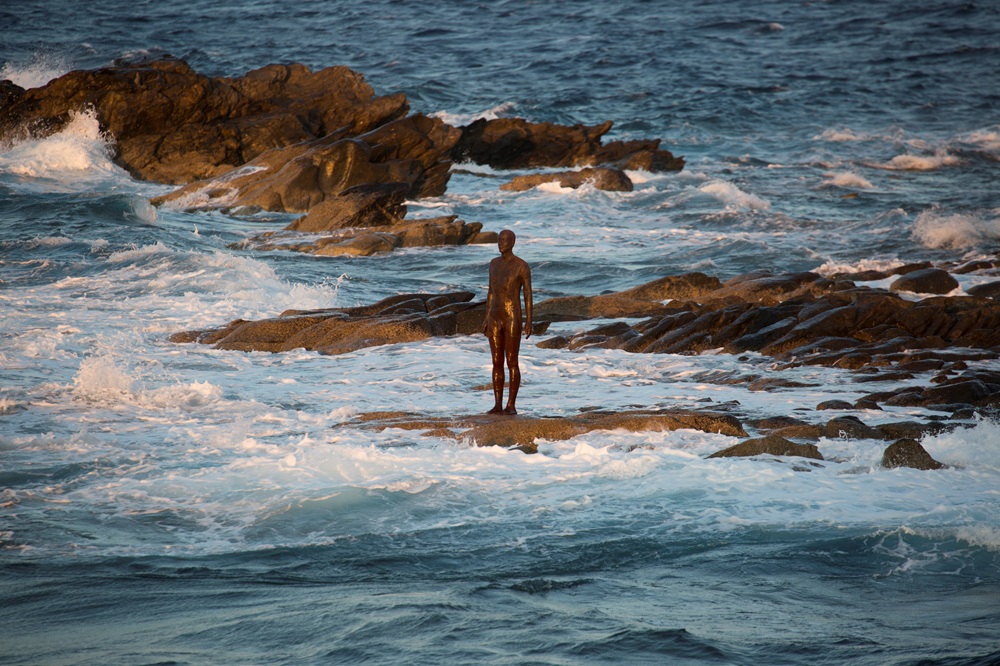
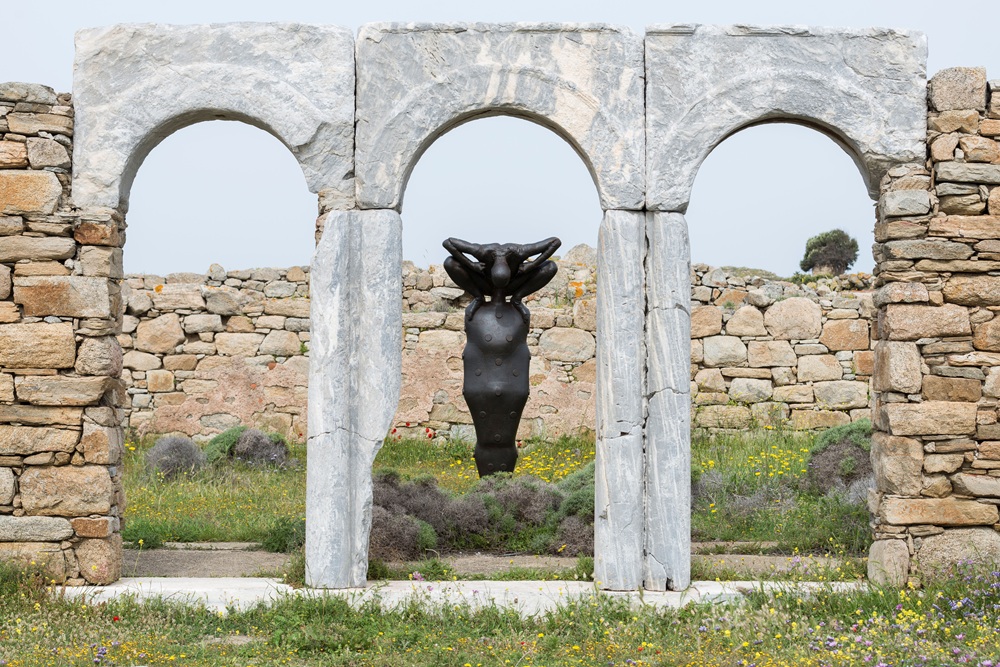
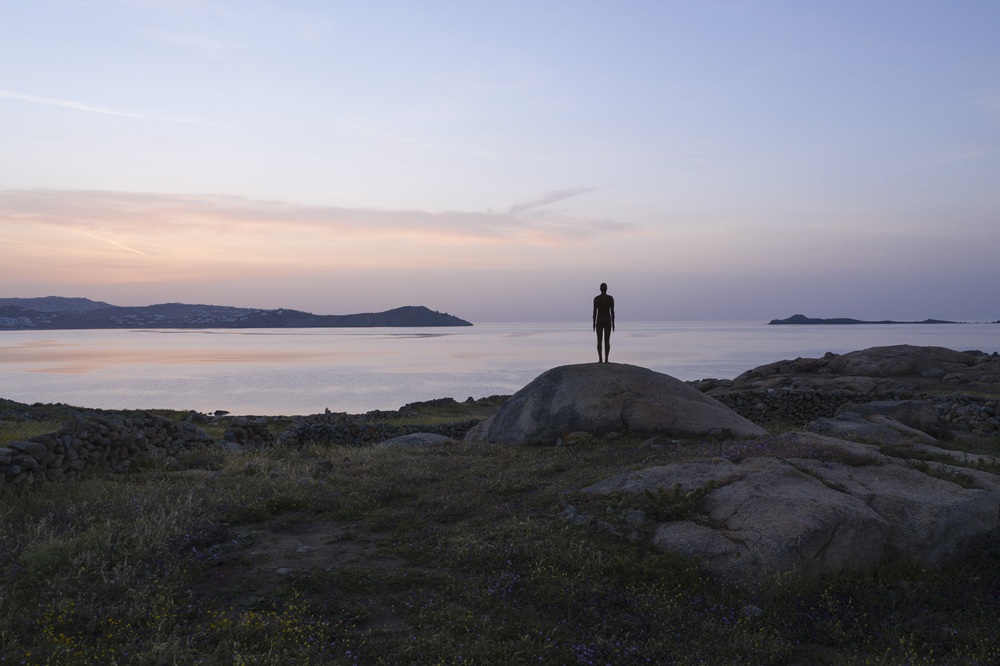
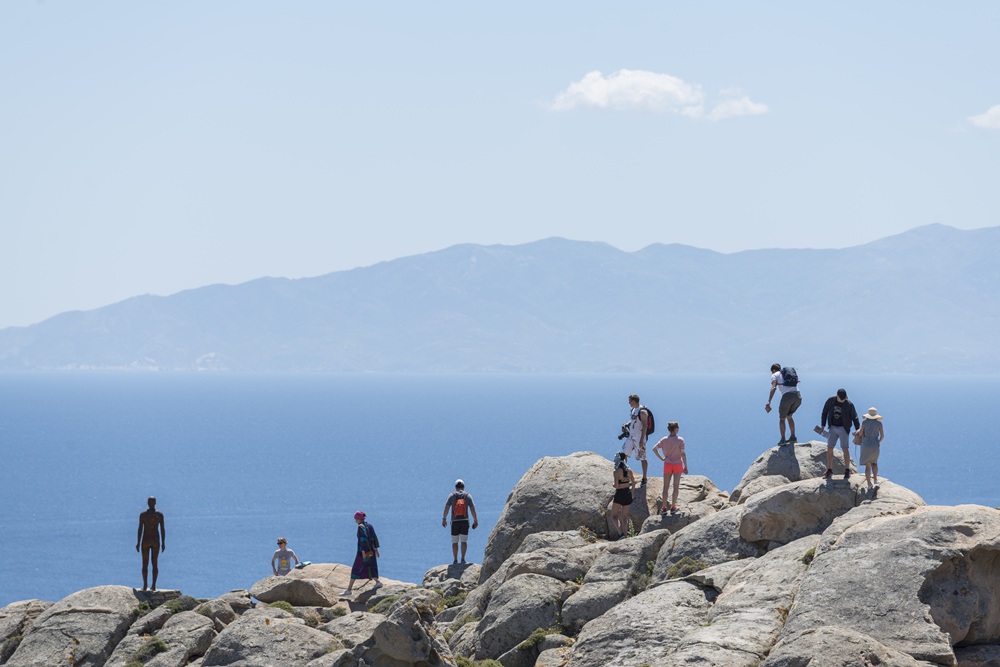
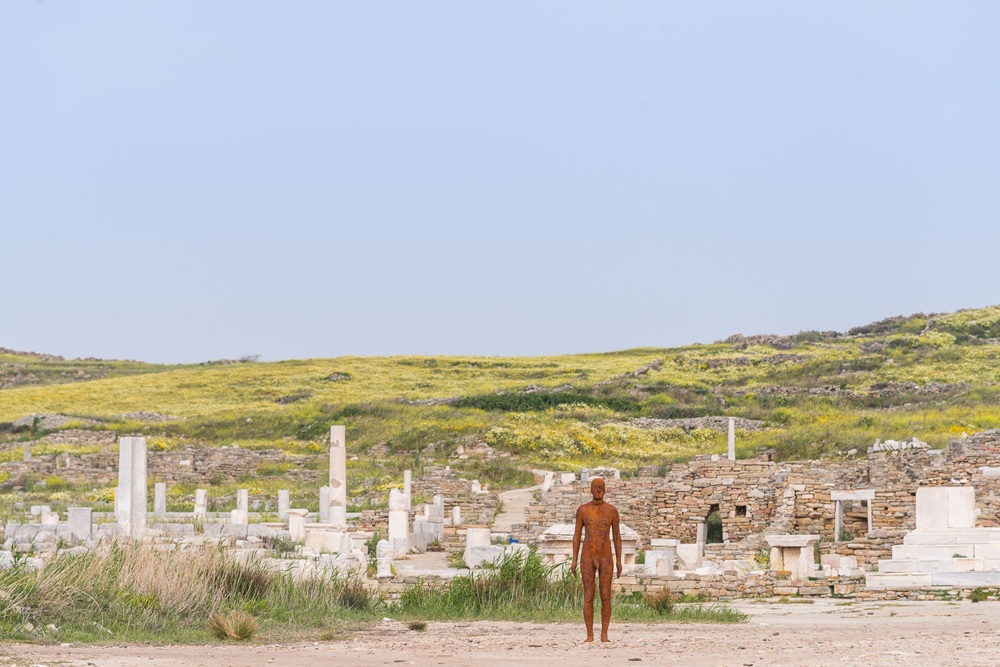
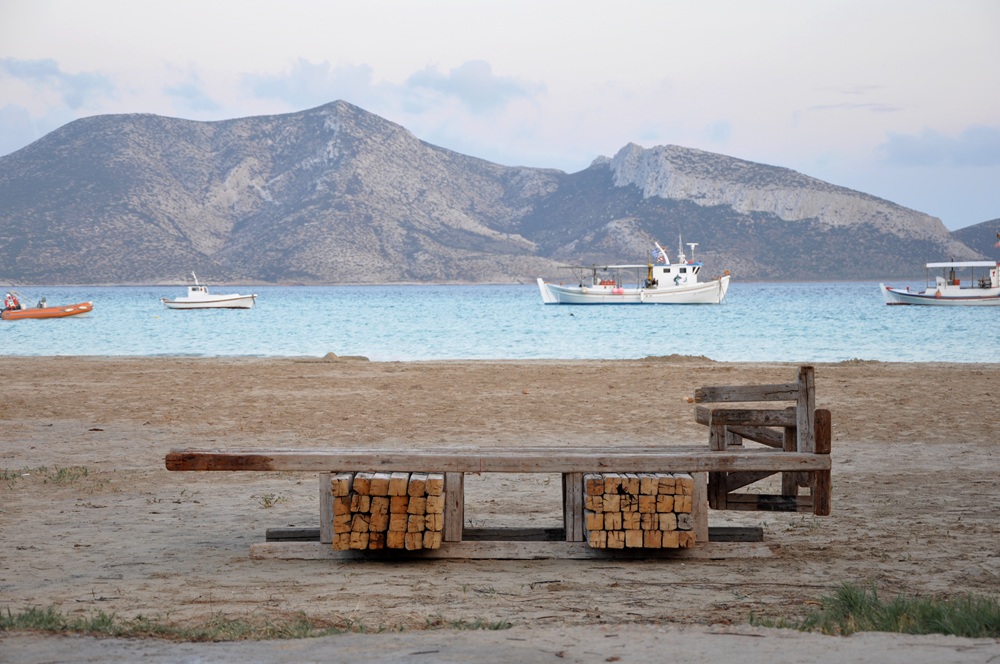
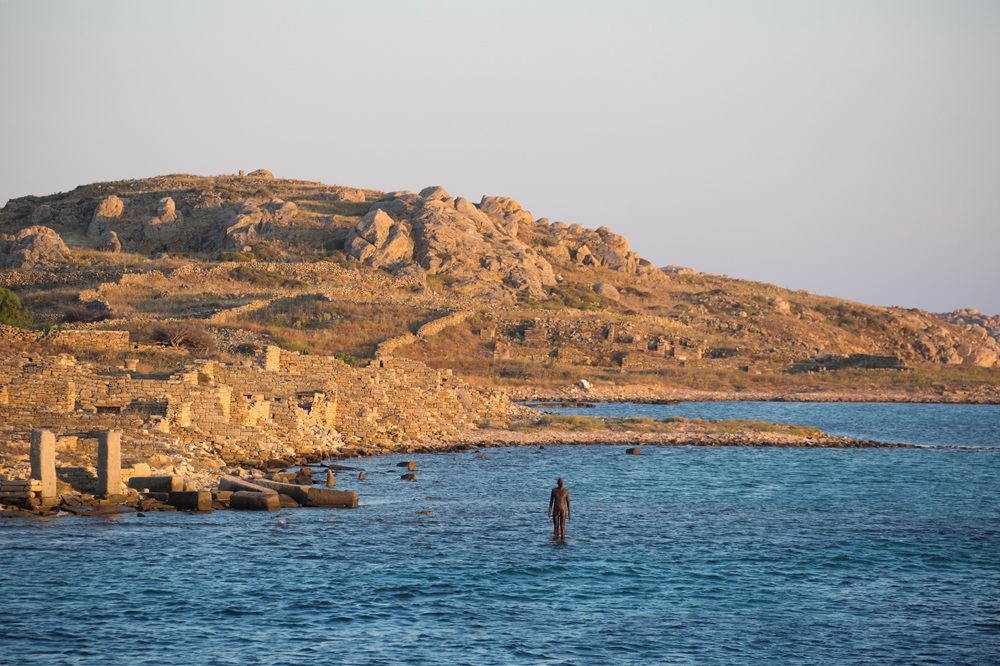
- The donation of the artwork RULE II (2019) by British artist Antony Gormley to the island of Delos in 2025, marking the first work of contemporary art to be permanently installed at an archaeological site in Greece.
- Donation of the works ”Prologue 1” and ”Prologue 2′‘ (2015) by Cypriot artist Maria Loizidou to the Kerameikos Museum.





Leave A Comment