The days of Holy Week are the most fitting for reflection and for humanity’s attempt to intellectually grasp the tragic heights of the Divine drama.
The gradual—and always temporary—pause in daily work gives way to the anticipation of the Resurrection and Easter, while book lovers can’t wait to dive into the pages of the new additions to their libraries.
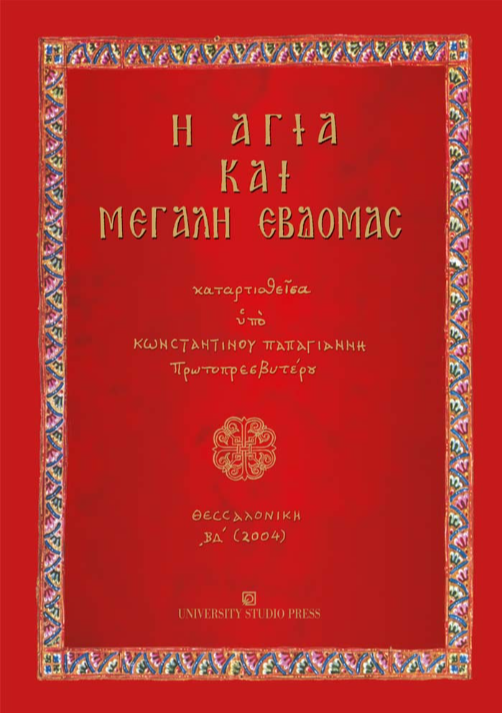
Fans of “unique” publications can discover, at University Studio Press, the musical work of Archpriest Konstantinos Papagiannis on the Hymns of Holy and Great Week. This volume presents the texts of the Holy Week services in a musically arranged format, in a practical and straightforward manner. Undoubtedly, this publication is a one-of-a-kind resource for enthusiasts of Byzantine music and stands out as one of the most original works in its category.
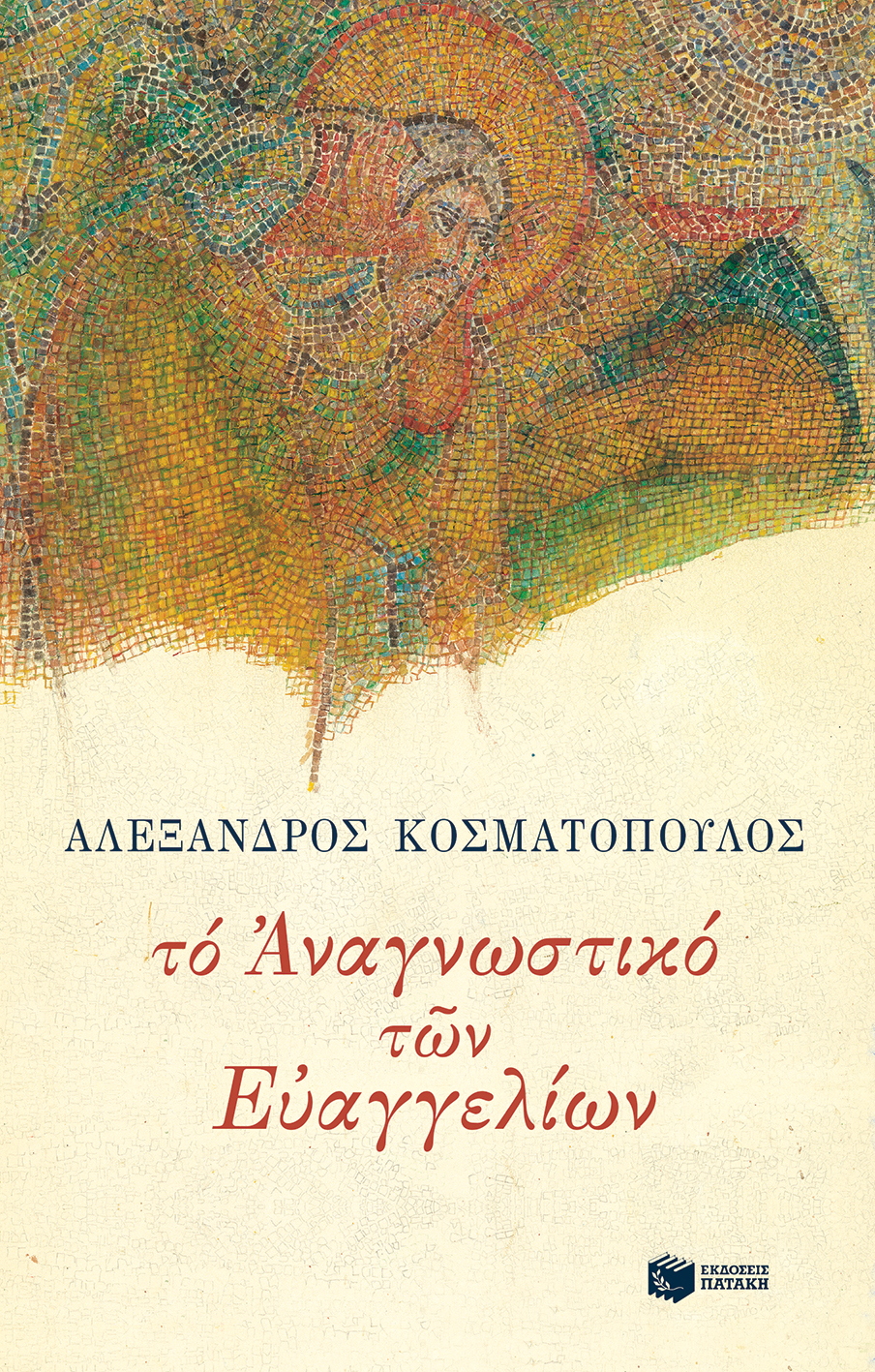
Alexandros Kosmatopoulos presents an equally insightful study of the world of the Gospels in his work “The Gospel Reader”, published by Patakis. Drawing on poetic discourse and the essay, Alexandros Kosmatopoulos approaches the Gospels with awe, love, and an unparalleled composure in deciphering the meanings of these sacred texts. The Κoine Greek of the Gospels lends them a directness that invites the listener to reflect beyond eras and circumstances. Alexandros Kosmatopoulos, refusing to align himself with dogmatic interpretations of the Gospels, argues that they come “to impart meaning and substance where nothing shines, where nothing is visible.” Ultimately, the Word of the Gospel, the parables, and the Light that shines in Hades constitute a powerful antidote to the cataclysmic nihilism of contemporary reality.
The Skiathos-born short-story writer Alexandros Papadiamantis, known by the nickname “Kosmokalogeros,” (monk) was that significant voice of modern Greek literature who captured in his pages not only the dialect of his native land, but also the customs, religious sentiments, and human types that have now been permanently obscured by the dust of time and modernization. Patakis Publications’ “Easter Stories” anthologizes sixteen of the most characteristic, festive and once-original short stories by the leading Greek writer, who occasionally glances toward Gogol’s paradox and Dostoevsky’s irony. In any case, stories such as “Childhood Easter” convey, in a cinematic manner, the awe in the face of the Resurrection service: “[…] After midnight, once the Resurrection had taken place and the entire church was aglow, the square too was lit up by the light of the candles, the children began to light matches and small firecrackers with a crackling sound outside in the narthex, and some ten-year-old boys were firing small pistols, others were throwing heavy nails with their heads down onto the floor tiles inside the church, startling and upsetting the poor old women, who, despite all the persecution the commissioners inflict upon them every year during Holy Week, seeking to confine them to the women’s gallery, no less persistently and intrusively within the church on the left, in the single niche. […]”

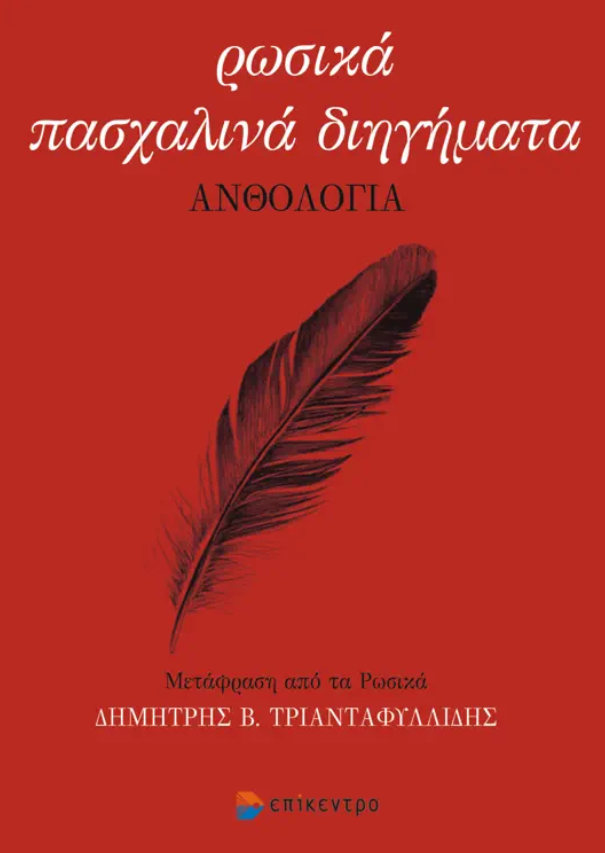
Remaining within the context of the anthology of prose and Orthodox Easter celebrations, one will be surprised by a visit to the anthology “Russian Easter Stories” (translated from Russian by Dimitris V. Triantafyllidis) and the immersion into the folk traditions of the land of the Rus. Bunin, Chekhov, Kuprin, Gogol, Martsinovsky… the anthology published by Epikentro covers two centuries of Russia’s great literary tradition. In the encounter between satire and reverence that Gogol attempts, it is impossible to resist and not shout along with his imaginary yet utterly real hero: “Christ is Risen! Only in Russia is this day celebrated as it should be.”


Leave A Comment