The Ministry of Culture is upgrading and modernizing the Archaeological Museum in Vathi, Ithaca, as a decisive step towards its reopening. The museum’s re-exhibition project is part of the overall project to improve museum infrastructure on the island, including the conservation of frescoes in the post-Byzantine churches of the Presentation of the Virgin Mary in Maroulatiki, in the village of Perachori, and the churches of Theotokos Evangelistria and Agios Gerasimos in the settlement of Exogi.
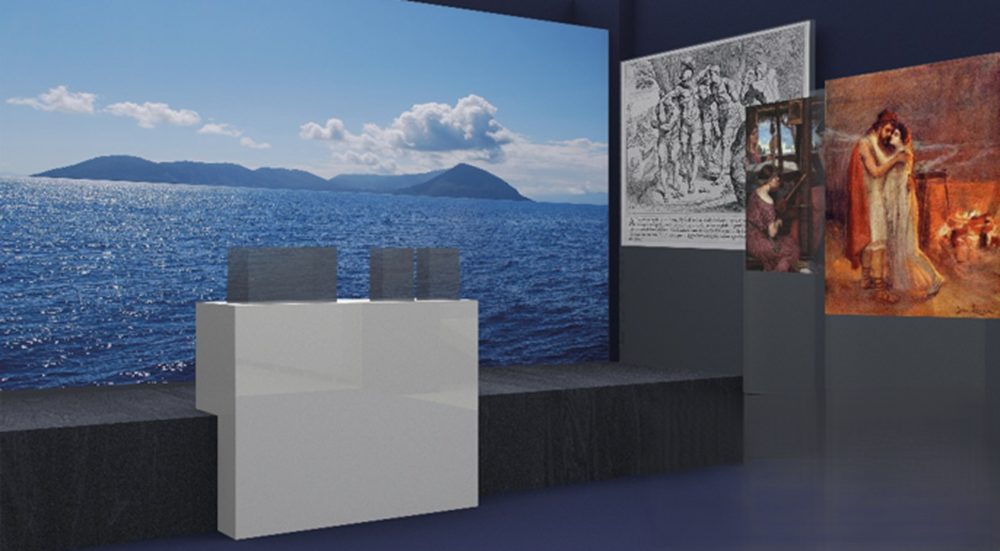
The Minister of Culture, Lina Mendoni, stated: “Following an inspection we carried out on the island, it was deemed necessary to carry out building renovation works improving accessibility, and re-exhibiting the museum’s collection were deemed necessary, with the aim of improving its operation, access to its premises, and the proper display and understanding of its exhibits. The re-exhibition of the archaeological collection—using modern, internationally accepted museological terms—highlights the historical and symbolic significance of Ithaca and provides a comprehensive, accessible, and high-quality museum experience for the public. The building of the Archaeological Museum, in the traditional settlement of Vathi, Ithaca, is a landmark of the island.The museum reopened in August 2023 with free admission, following the completion of building restoration works, hosting the temporary exhibition “In the Footsteps of Homer: The Eagle in Ithaca and the Greek Renaissance.” Selected antiquities and visual material highlighted the importance of the sanctuary of the Eagle and its connection to the Homeric tradition. The central theme of the re-exhibition is “Ithaca: The Global Symbol,” which highlights its insular character, Ithaca’s timeless relationship with the sea, and its geographical position in the Ionian archipelago. From the Early Bronze Age to Late Antiquity, Ithaca is presented as a place of departure and return, as a point of reference in the Odyssey, but also as a place of creative assimilation of influences, with a thriving and distinctive local tradition.”
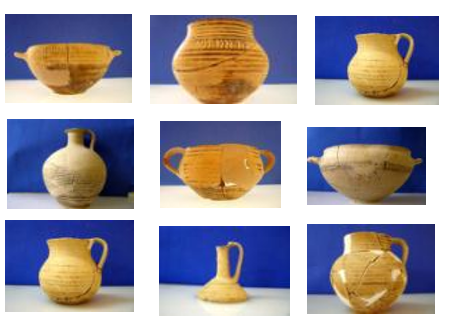
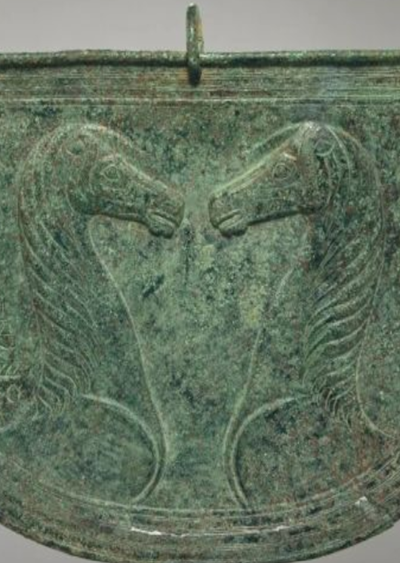
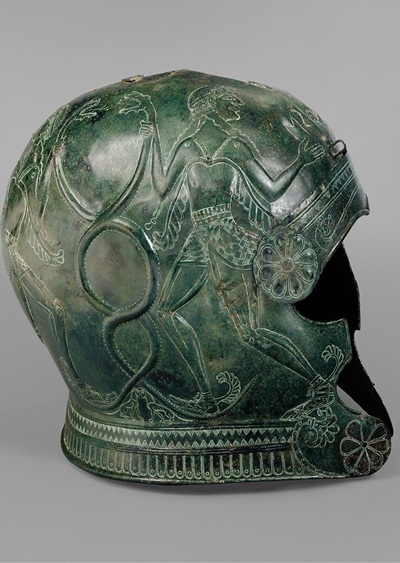
Exhibits in the section “The Genesis of a Global Symbol”
The permanent exhibition of the Archaeological Museum is organized into six sections, from the chronology to the political organization of Ithaca and the sanctuary of Odysseus, covering an area of approximately 185 square meters. The sections are as follows: 1. Introduction – Chronology 2. Ithaca, the “eudielos” island 3. The Odyssean tradition 4. The dawn of civilization 5. The genesis of a global symbol 6. The Ithacan State: The City until the end of Antiquity. The exhibition begins with the introductory section in the building’s reception area, continues along the layout of the rooms in the east wing, and concludes with the last section, which is arranged linearly along the corridor. Particular emphasis is placed on accessibility, ensuring full access for people with disabilities via a lift, level access to all exhibition areas, and the creation of suitable sanitary facilities. The museum design aims to create a unified morphological identity in order to eliminate functional and aesthetic shortcomings of the building and to make use of modern exhibition media, lighting, and digital applications.
The Archaeological Museum of Vathi was established in the 1960s-1970s on a plot of land donated by the Municipality of Ithaca to the Ministry of Culture. It is located within the traditional settlement, a short distance from the square and the coastal road. It is a single-story building with an area of 410 square meters. Inside, it is divided into three consecutive rooms – exhibition spaces, a reception area, a guard’s office, an office and residence for the curator, sanitary facilities, workshops, a storage room, and accommodation for scientific visitors.


Leave A Comment