Why cans? How are they defined? What do they offer?
Let’s start backwards. The word is borrowed from con+servare, which means to keep, to guard, to observe. It also means to preserve in sugar, or even to keep a quantity of something stable and unchanged during a chemical or physical change (food preservation, energy conservation). As for sugar, it symbolizes joy, love, innocence, and the celebration of comfort and temptation. In art and culture, it represents the sweetness of life, warmth, and sometimes a momentary feeling of “artificial” satisfaction as an antidote to an emotional void.
As we age, many experiences we have had leave a certain feeling, but we recognize a deterioration in our memory of details over time. Writing texts, such as diaries or chronicles, often brings back these forgotten details—as do photographs, of course.
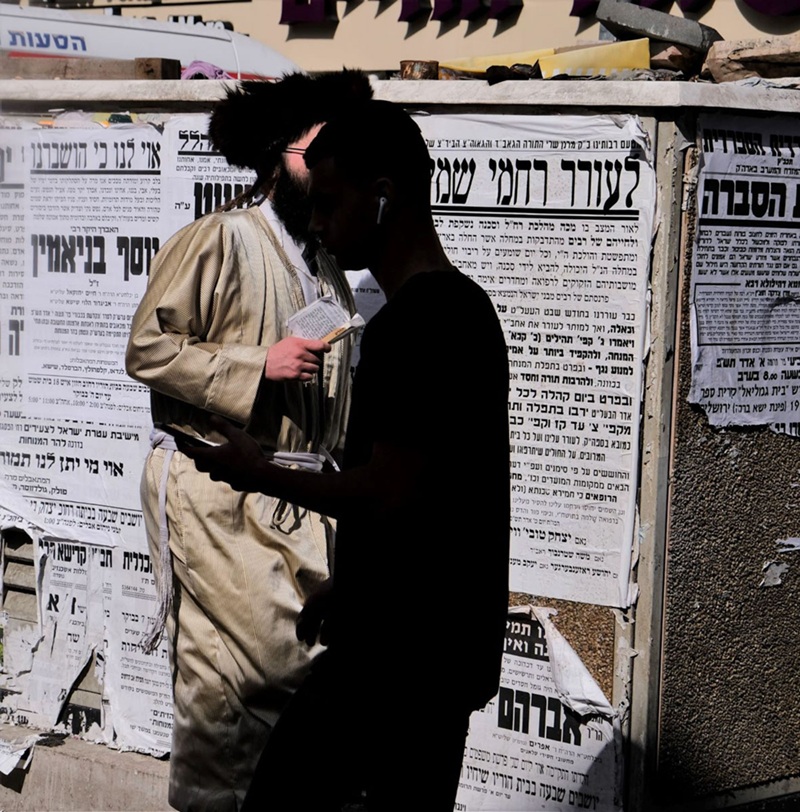
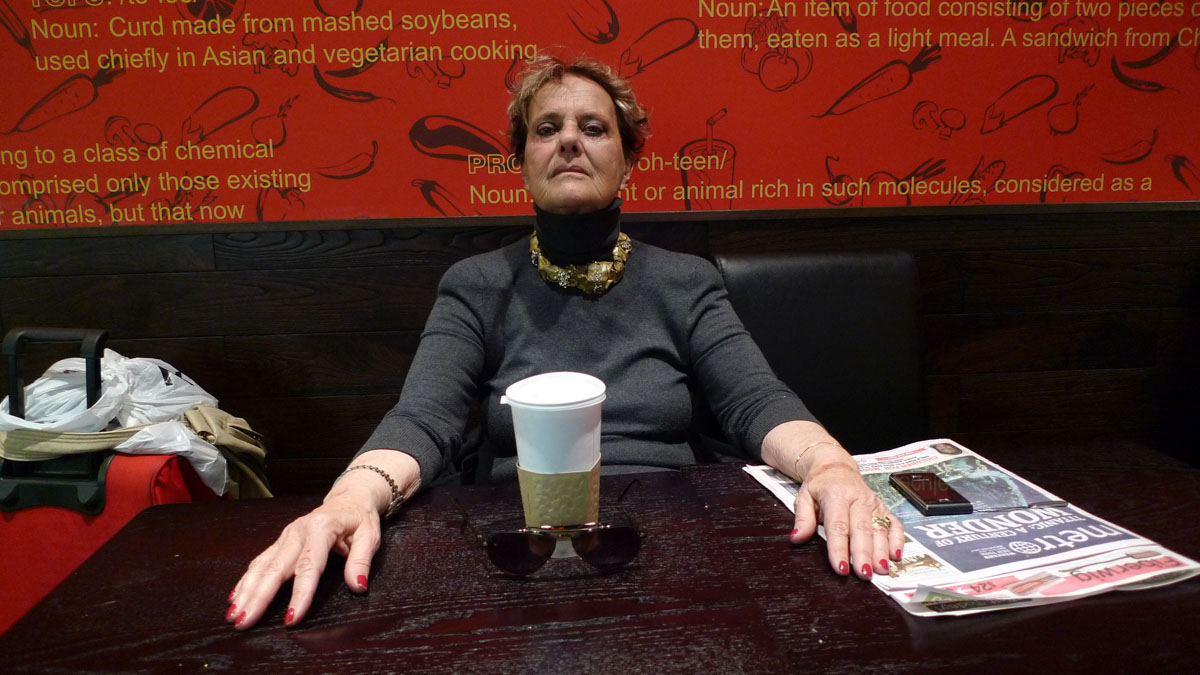
The difference is that written words are understood through the conversion of abstract symbols or sounds associated with sensory experiences and stored memories, while the semantic recognition of a photograph involves direct visual perception, analysis of the compositional/visual elements (objects, subjects, shape, structure, color, tonality, light characteristics) and the semantic context in which the photograph was created.
The can is small in size, easy to transport and open, has nutritional value (it preserves/nourishes our body), and maintains the quality and quantity of its contents. You decide when to open it and consume it. But it controls time. It ensures freedom and self-sufficiency, but also sets a limit. It marks the value of “before,” “now,” and “after”—times that cannot be reversed.
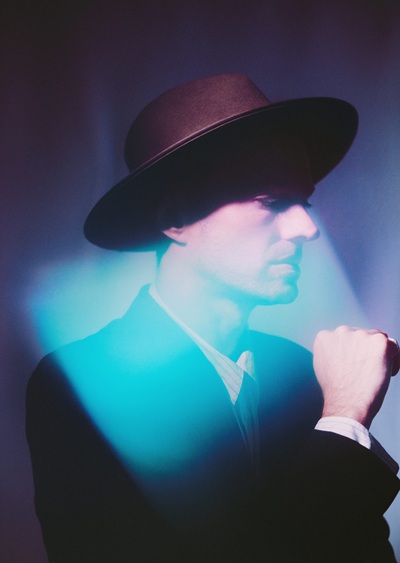
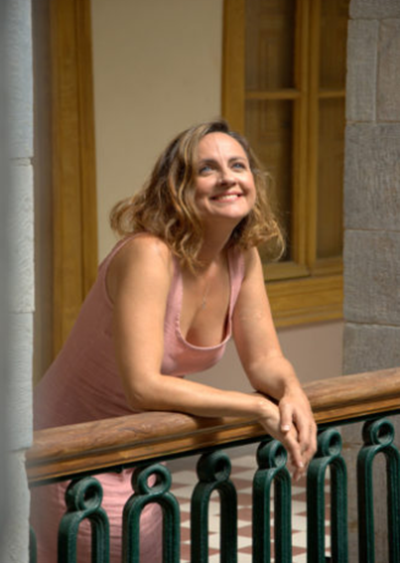
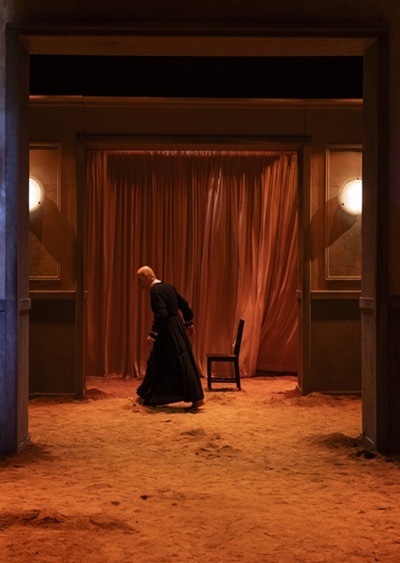
The presence of a viewer confronted with a photograph may ‘weave’ a significant piece of personal emotional memory, such that they consider it worthy of storage in time—in a ‘photographic canister’. It is this kind of can that would make him/her feel secure about the accurate preservation of each memory. Given that memories from life experiences are numerous and meaningful, a bottleneck is created.
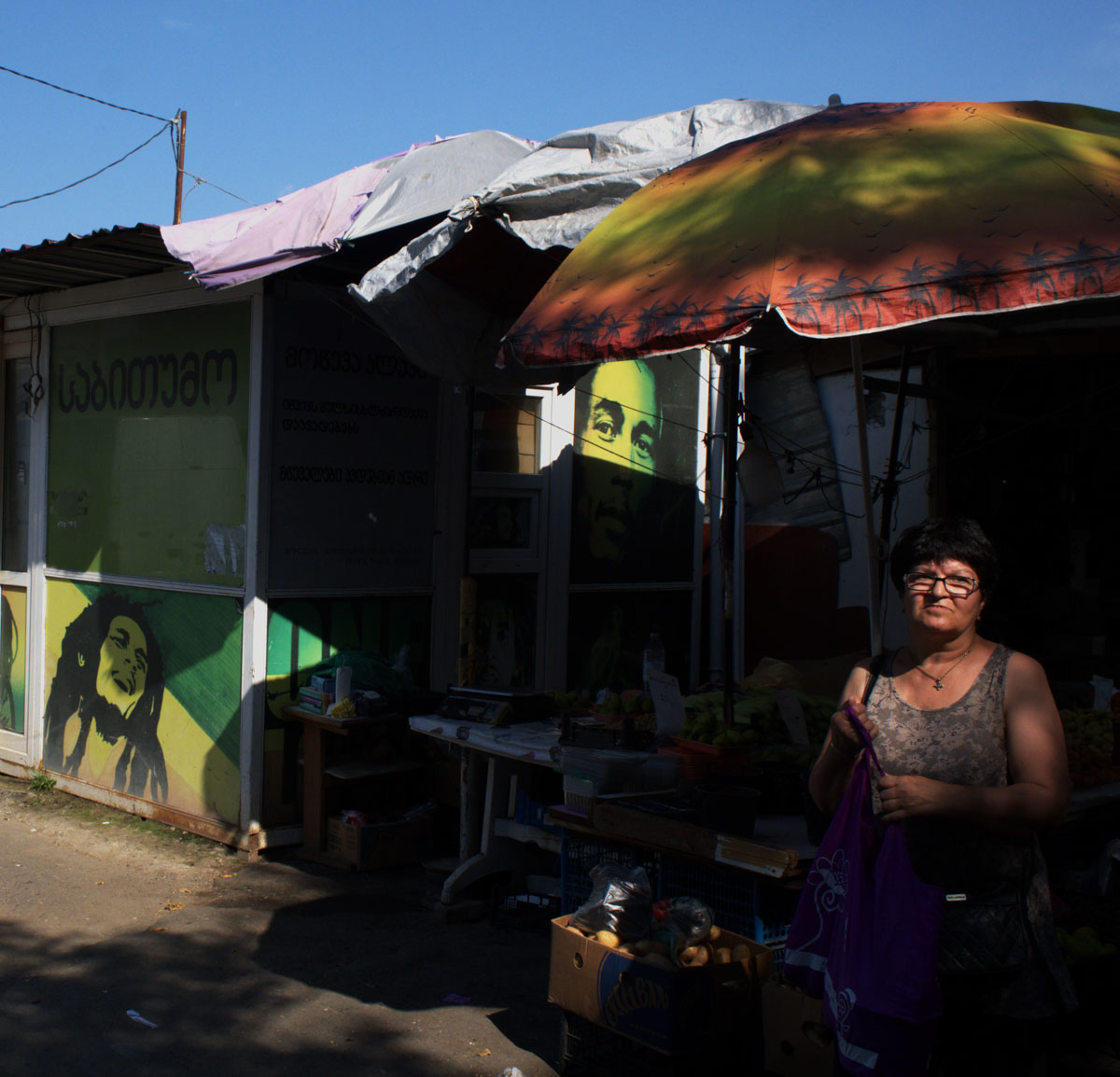
This pressure, therefore, leads to the need to create and produce “photographic preserves.”
Alexandros Voutsas was born in Manhattan, New York, in 1961. He holds degrees in B.S. Marketing/Management, Siena College, Loudonville, N.Y., Bachelor of Arts Photographic Illustration, and Master of Science, Printing Sciences and Management, Rochester Institute of Technology (R.I.T), Rochester, N.Y.
Returning to Greece, he worked as a freelance photographer.
In 2000, he was elected a member of at the Athens School of Fine Arts in the Laboratory Course of Analog and Digital Photography.
He has held three solo exhibitions and has participated in many group exhibitions. Most recently, he participated in the exhibition entitled “KRIKOS 5, ‘Eleourgeio,'” Dromonero, Chania, June 2016, and “Philoxenia,” Morfes Gallery, Rethymno, June 2016.
As a speaker, he has participated in the conferences “If the Ego Became Us” entitled “Personal Development through Teamwork,” November 2011, and in the symposium of the EMBE (Company for the Study of Cultural Diversity) on the theme “I choose to accept injustice in art, in life,” November 2013. In May 2016, she participated in the activities of the EMBE entitled “Diversity as a mirror of identity,” organizing and coordinating the talks on the field of visual arts. She has published two books: “Waiting for the Meeting Points” 2008 and “RODOPOU” 1993.


Leave A Comment