Rare historical relics, works of art, and many other items that are representative examples of Greece’s history and folkloric wealth are included in the upcoming auction of “Historical and Folkloric Items from the 19th and 20th Centuries” organized by VERGOS Auctions. The auction will take place on Wednesday, February 18, at 5:00 p.m. in the hall of the Parnassos Literary Society (8 Ag. Georgios Karytsis Square, Athens).
The auction will be broadcast live on the website www.vergosauctions.com. Interested parties may attend the auction or participate online, as well as by written and/or telephone bid.
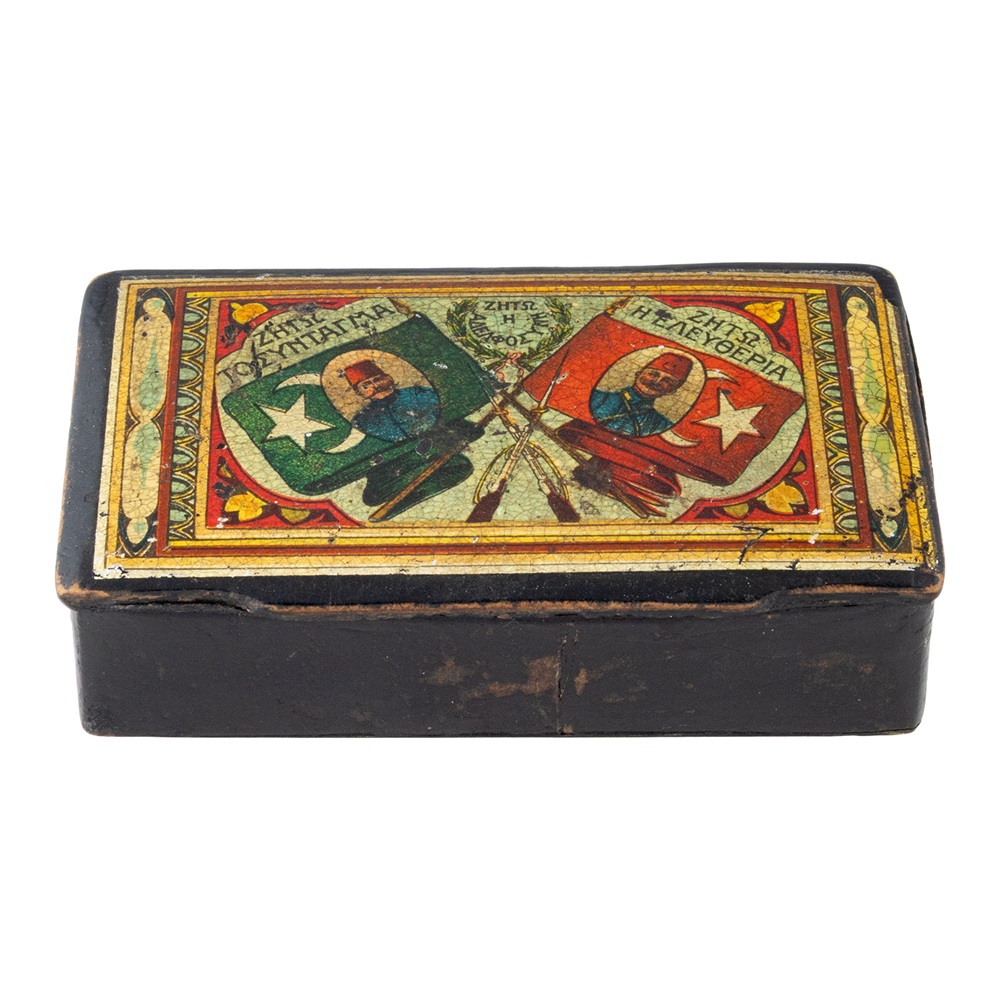
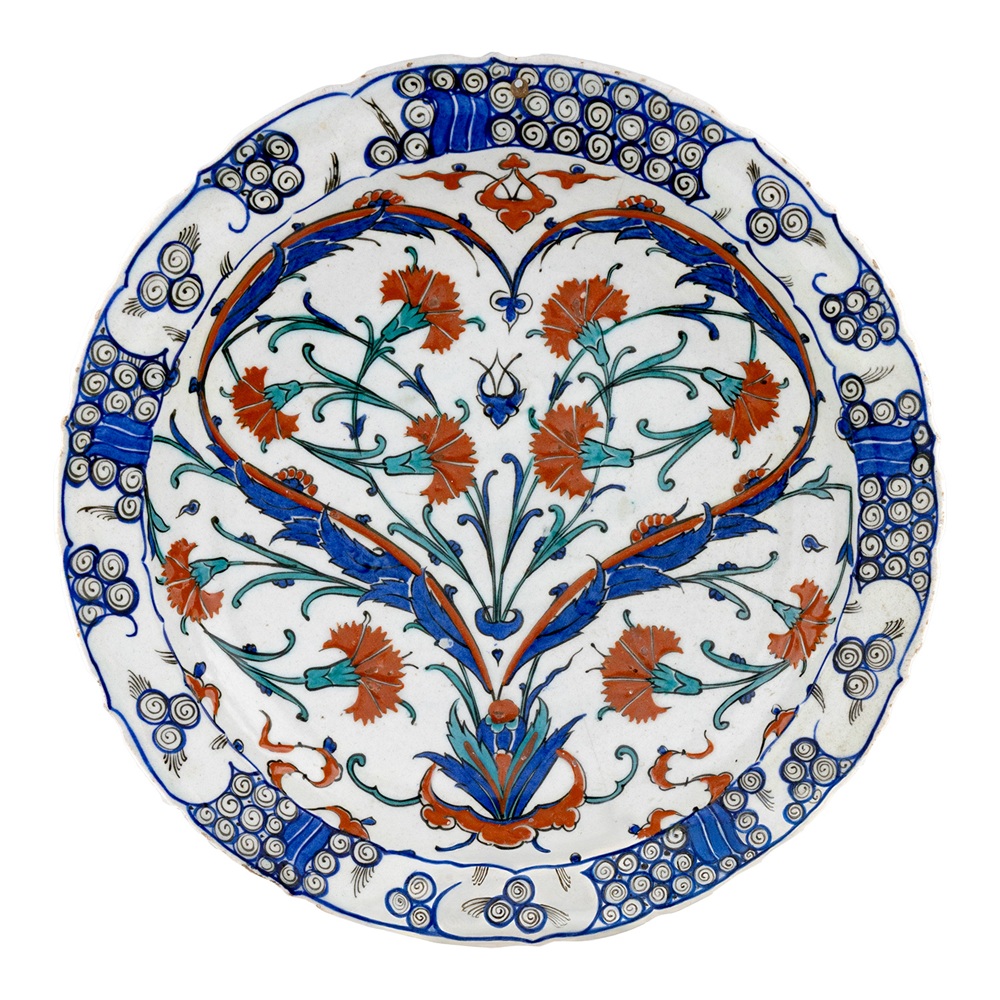
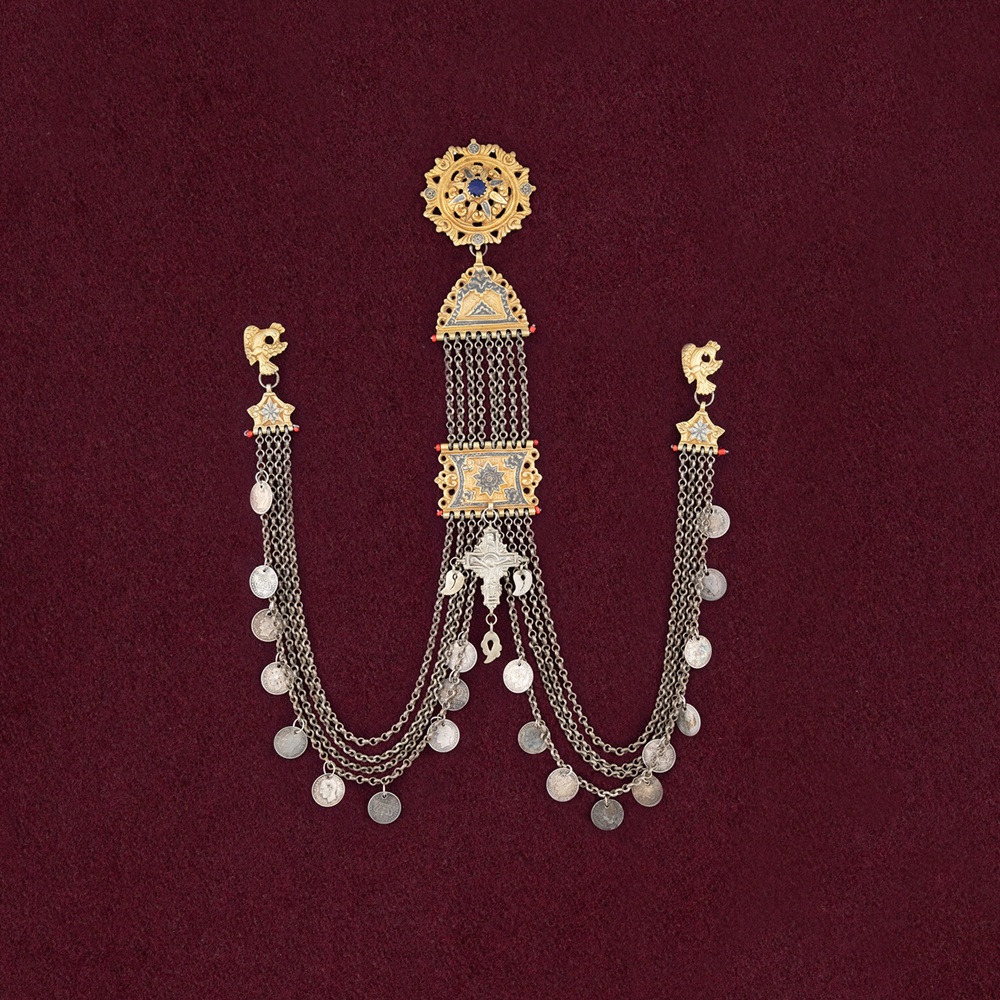
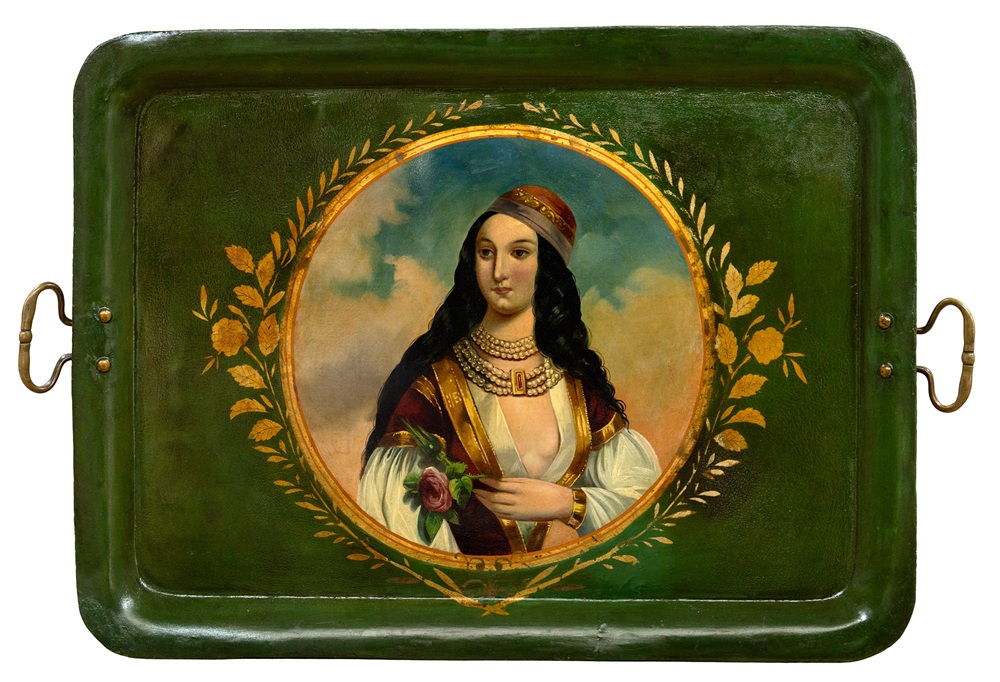
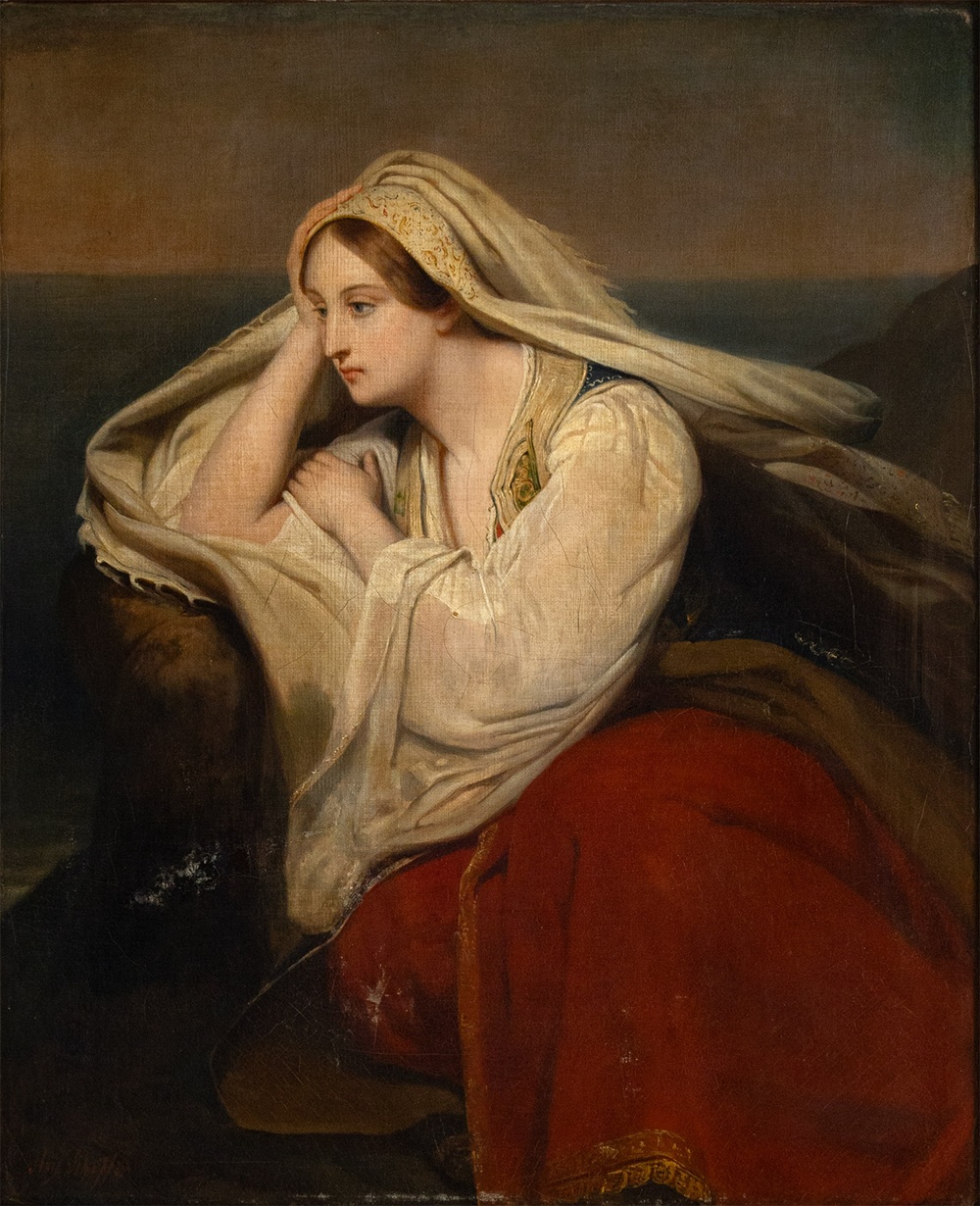
From February 15 to 17, an exhibition will be held at the same venue, presenting the 296 lots of the auction. Among other items, these include rare watches, folkloric jewelry and costumes, weapons from the period of the Greek Revolution, works of art depicting themes from the history of modern Greece, ceramics from Iznik, Kutahya, and Greece, and much more.
The following stand out from the extensive catalog:
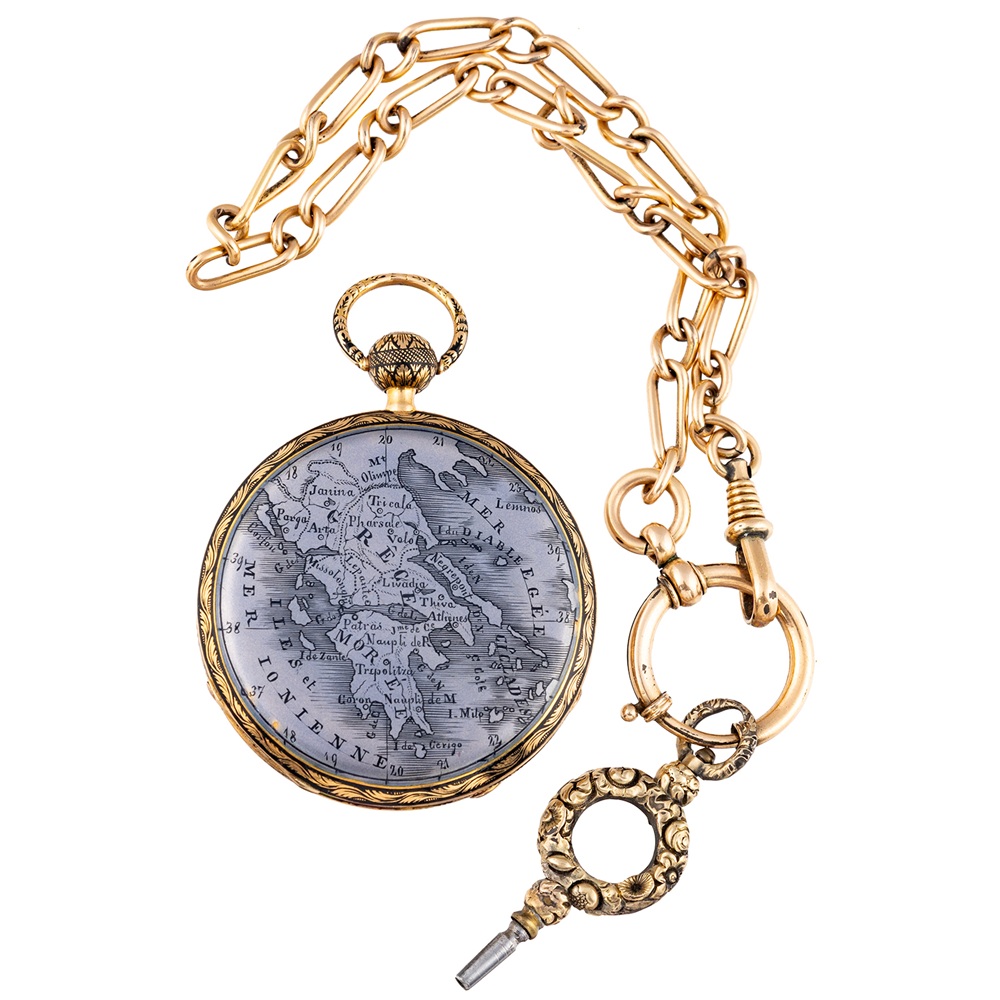
- A gold pocket watch from the renowned Swiss watchmaker Courvoisier, featuring a map of Greece from 1826-1830, based on the map “Carte physique, historique et routière de la Grèce” by French military cartographer Pierre Lapie. It is a particularly rare and important historical document for the “broad” visionary borders of Ioannis Kapodistrias and the Greek State and their claim based on the descriptions of Strabo and Lapie’s map, as well as with respect to the declarations on Greek territory in Chapter II, 4, of the Constitution of Troizen (spring 1827), according to which “The provinces of Greece are those that have taken up arms against the Ottoman dynasty and will take up arms against it.”
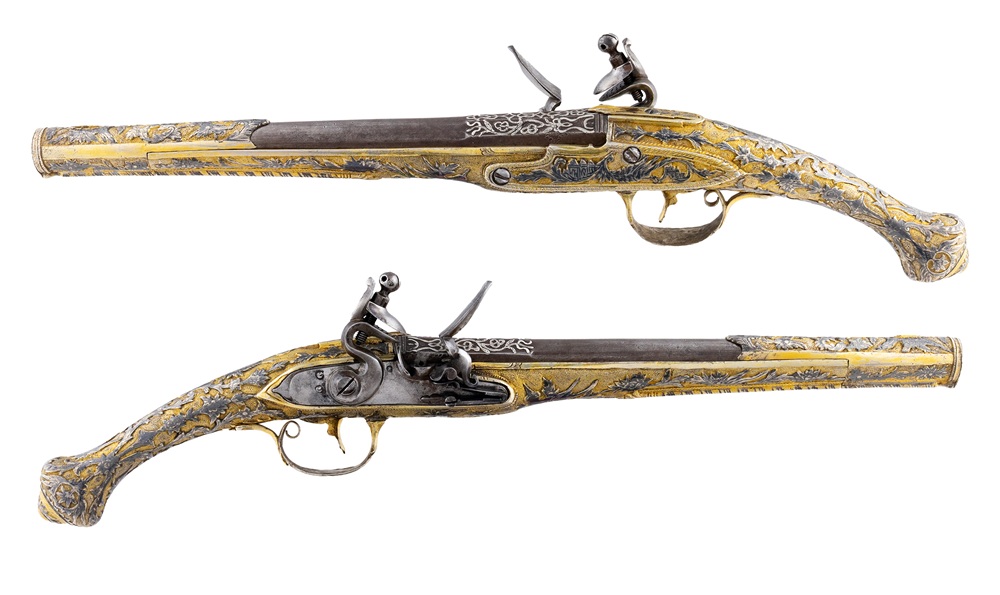
- A pair of silver-gilt pistols dating to the first half of the 19th century (Epirus). Almost half a meter long, they are elaborately decorated with garlands of flowers with trophies, flower vases, and residential complexes. The barrels feature inlaid silver floral motifs and geometric shapes.
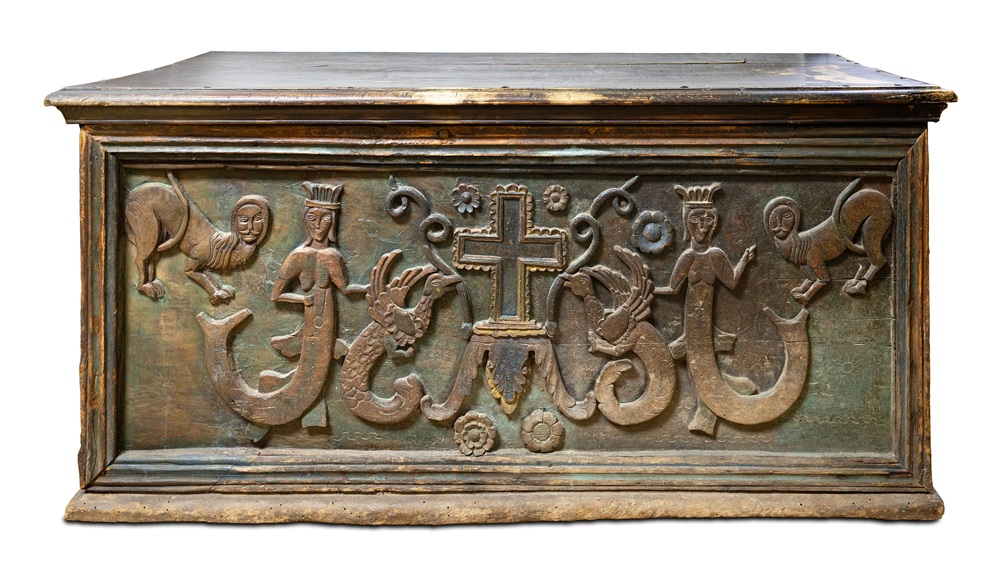
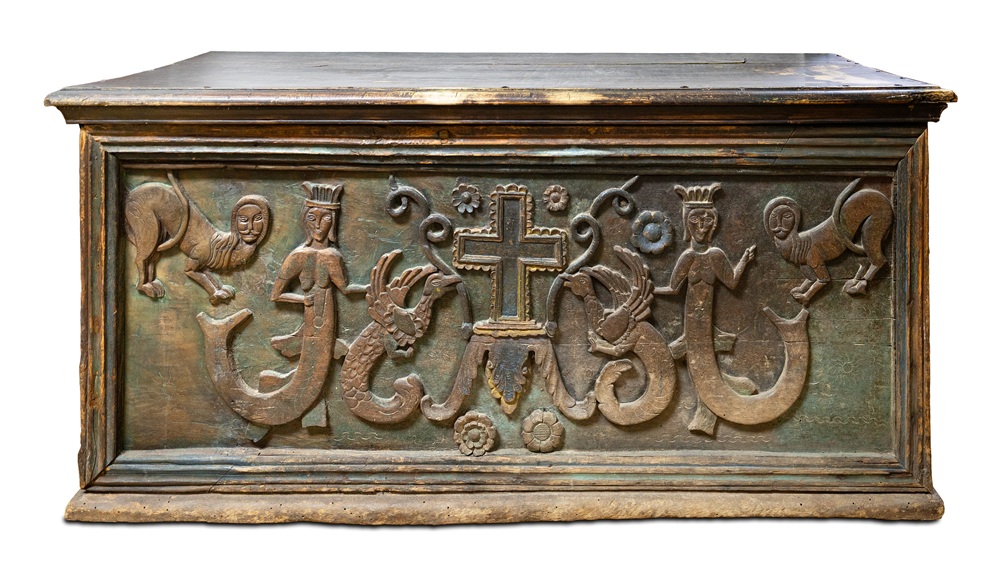
- Wooden chest carved from oak, dating to the second half of the 18th century (mountainous Peloponnese). It is a characteristic example of Greek folk art from the late Ottoman period, where Christian symbols are interwoven with archaic, mythological figures and apotropaic motifs.




Leave A Comment