At the dawn of 2026, in the place that gave birth to theater, in Athens, Thessaloniki, and regional theaters, more and more stages are unable to serve the ever-growing “theater-loving” public, which in turn is faced with repeated “sold-out” performances.
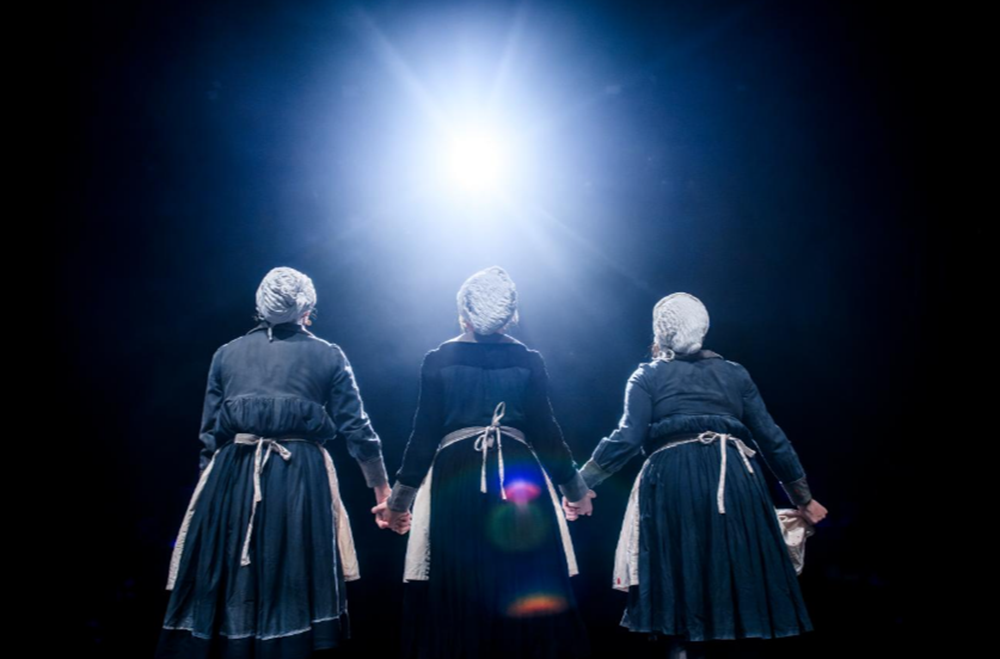
Contemporary works such as “Hedda” by Antonis Tsiotsiopoulos and Giorgos Paloumbis, with Paloumbis’ groundbreaking direction, the reading of Thessalian folk tales by Konstantinos Dellas in “The Old Women who Harvest the Nettle,” (the script of the play is distributed by Kapa Publishing House) and Giorgos Kapoutzidis’ contemporary satire in “Caryatid!” are seeing their electronic tickets sell out at lightning speed when posted on the relevant public service platforms—and rightly so.
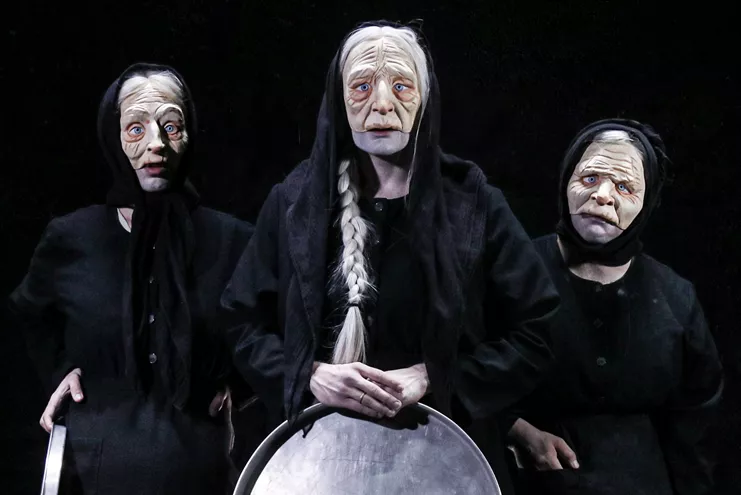
The Old Women who Harvest the Nettle
For those who enjoy the new horizons opened up by modern theater (Greek or international), Days of Art in Greece leafs through and recommends theatrical publications for all tastes. These publications are so vibrant that you can almost see the letters dancing before your eyes, creating the ideal conditions for the stage of imagination and the mind.
A demanding theatrical genre by nature, the monologue is served exemplarily by actor Yannis Bostantzoglou in his play “The Phone Call” (Angelakis Publications). Drawing on the tradition of Jean Cocteau, modern Greek drama, and the bitter satire of Bost, Yannis Bostantzoglou offers the audience a play that pulsates with emotion but at the same time challenges the actor to give it substance on stage… structured as it is by a tireless performer of cinema and theater. “There are 360 days in a year, and every day has so many surprises! You know, of course, that in the eyes of children, whom we raise to be like us, everything they see looks upside down! While for older people like me… (With bitterness.) everything is dark, dirty, and broken!”

For those who missed his important performance at the Greek Art Theatre Karolos Koun last year, they now have the opportunity to read Pau Miró’s play “Plou a Barcelona” in its translation published by Aparsis Publications. The translation team Els de Paros, consisting of Maria Hatziemmanouil, Yannis Mantas, Alexandros Baveas, and Dimitris Psaras, bring to life a contemporary love triangle that captivated audiences through the direction of Vangelis Theodoropoulos and the performances of Dimitra Matsouka, Kostas Kazanas, and Andreas Kontopoulos.

“Plou a Barcelona”
Having conceived “Spyridoules” (published by Synchroni Epohi) as a contemporary tragedy, Nefeli Maistrali has been thrilling audiences for three consecutive years, telling the horrific story of the 1950s about all the women working in the cleaning sector who, to this day, face the relentless face of the upper social classes. Commenting on the role of the Chorus of the Spyridoules in her work, Nefeli Maistrali reveals: “…the performance of a ‘collective organ’, as in our case the Chorus of the Spyridoules, the alternation of episodes and choruses, as well as the avoidance of violence on stage contribute to the magnification of the event and the exploration of a new way of moving viewers who are familiar with cruelty and violence through current events and modern technological media.”

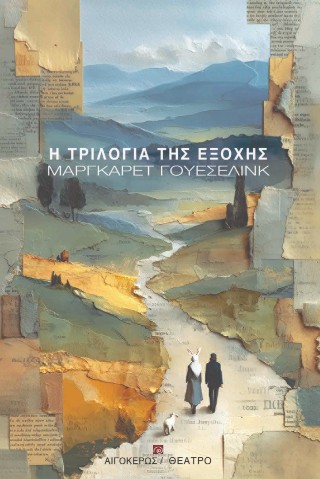
Margaret Wesseling is an American author and graduate of English literature from Harvard University who lives in Greece and sees her work presented both in our country and in Germany and the United States. Her most recent theatrical work, The Country Trilogy, is published by Aigokeros Publications, which is always focused on promoting contemporary theatrical production. Reading Manthos Santorinaios’s epilogue, we discover a theatrical voice that draws on John Steinbeck but also on sensibilities surrounding the land, the toil of the people who work it, and the nobility of simplicity. “There are people here. No one would deny that there are many people in this space. But there are also animals. They are here with us, in this space. The animals were here before this building was constructed, and their spirits are still here, living within the walls, watching what happens, keeping the place safe.”
Having worked as a director and screenwriter from London and Oxford to the most important Greek television stations, Manos Tsotras presents his new play, Greece on Air, published by Angelakis Publications. It is a satirical, sharp look at contemporary Greek society, a work of extreme contrasts and speed that is punctuated with references to modern Greek music, from Dimitris Papadimitriou to Stamatis Kraounakis, which hope to bring readers/viewers together in a shared breath.

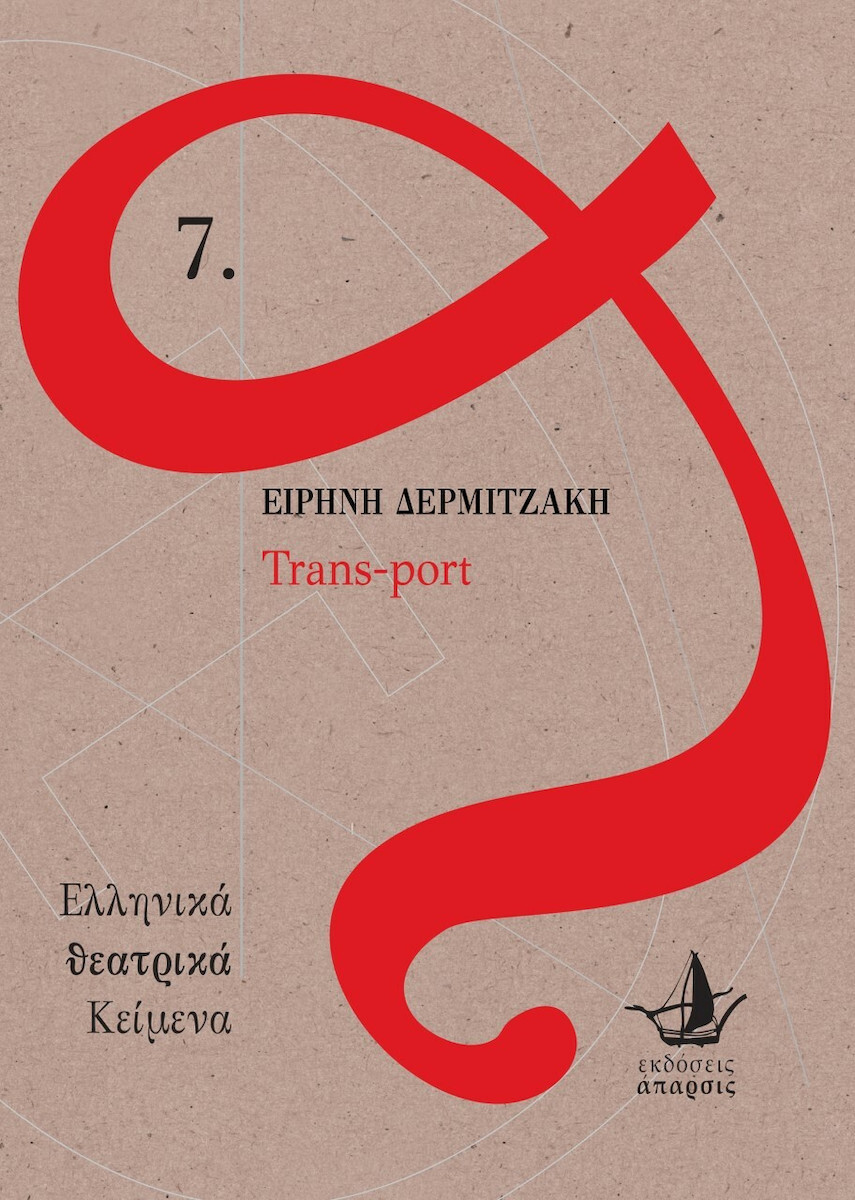
Do you like road trips? Whether your answer is yes or no, one thing is certain: from the Odyssey to Moby Dick, great internal adventures fuel the most captivating narratives. Eirini Dermitzaki recounts such a peculiar odyssey, centred on Sabah and Thodoris, in her play Trans-port, brought by Aparsis Publications. The award-winning playwright, with many years of experience in the United Kingdom, screenwriting, and the world of books, unfolds a human story full of action and suspense about all that will ultimately unite the two seemingly opposite heroes: pain and unfulfilled dreams.
Drawing on the codes of the theater of the absurd and David Mamet, Katerina Andrianaki, in her black comedy “Lying on the Grass” (by Vakxikon Publications) unfolds the personalities of her characters Tom and Jerry, just as a deadly virus sweeps across the planet. An existential thriller that cuts like a razor, a friendship that reaches its verbal limits, and a glimmer of hope, just when everything seems lost.

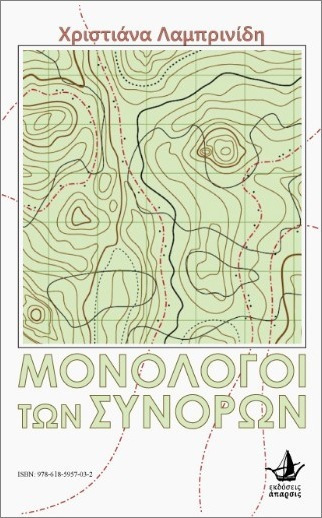
Christiana Lambrinidi, through her polyphonic work “Bordertongues,” explores the concepts of internal and physical borders in this bilingual book published by Aparsis. With poetic language, sometimes breathless, sometimes almost surreal, Lambrinidi does not attempt to answer but rather to pose a series of questions: “Is there such a thing as the right land? The right language? The right blood? Perhaps the only answer is memory.”
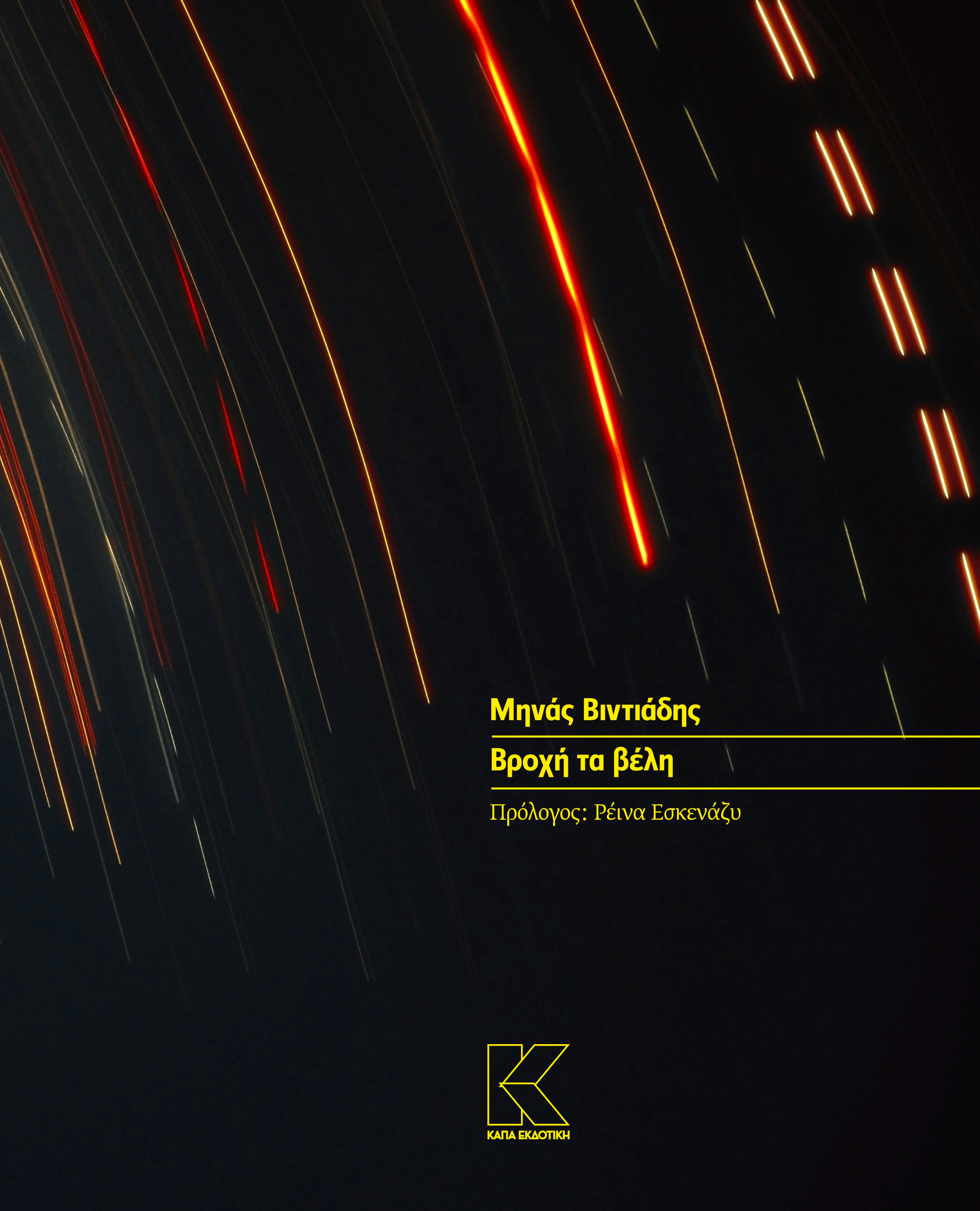
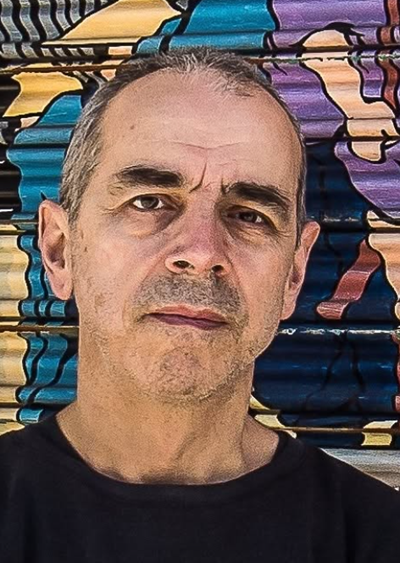
Minas Vintiadis takes a proustian approach to memory in his new monologue “Rain of Arrows” (published by Kapa Publishing House), which is being presented throughout Greece this theater season by Stratos Tzortzoglou. A man in his sixties reflects on his life, passions, and mistakes, opening his soul to the audience and sharing his laughter and tears shortly before his birthday dinner. “If I were one of the four seasons, I wouldn’t want to be autumn, because the leaves fall, nor winter, because it snows and I always see that red, nasty snow, nor spring, because it’s something between autumn and summer. I would love my life to be like summer. Every time I stand at the edge of the shore, drinking a glass of raki, I wonder what I am, what summer is after all.”


Leave A Comment